Top 2025 Engine Parts Guide How to Choose the Best Components for Your Vehicle
When it comes to optimizing your vehicle’s performance, selecting the right parts engine is crucial. The engine is the heart of your vehicle, and its efficiency significantly influences handling, fuel consumption, and overall driving experience. However, with the multitude of components available in the market, choosing the best engine parts can be overwhelming. This guide aims to simplify the decision-making process for enthusiasts and everyday drivers alike by breaking down the essential criteria for selecting top-quality components for your vehicle.
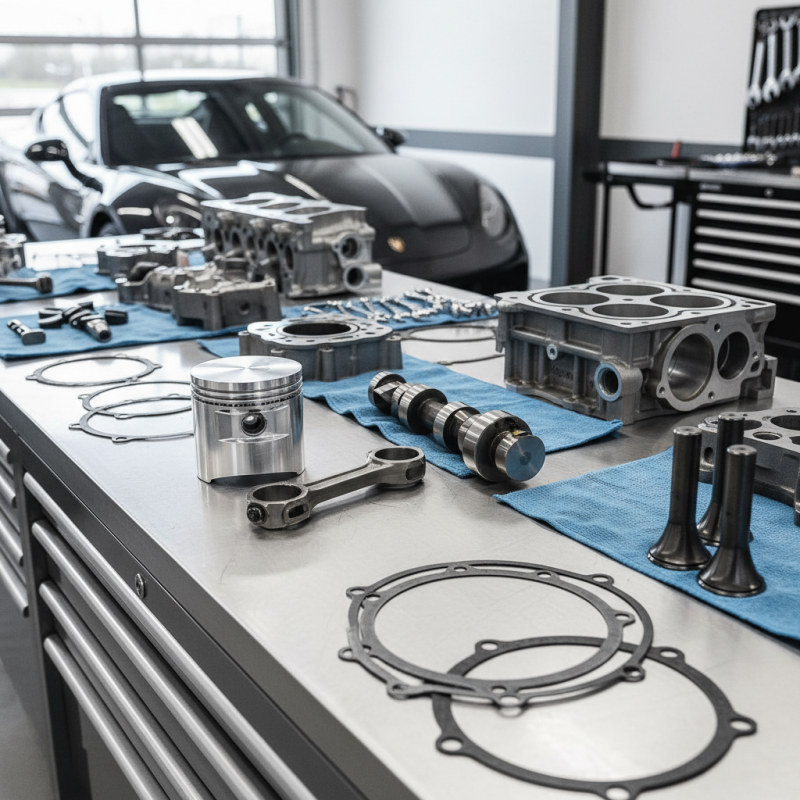
In this comprehensive guide, we will explore the various types of engine parts that can enhance performance, reliability, and longevity. From pistons and camshafts to gaskets and valves, understanding how each component functions and interacts within the engine is key to making informed choices. Moreover, we will provide insights on what to look for in terms of quality, materials, and compatibility with your specific vehicle model. By equipping yourself with the right knowledge, you can ensure that the parts engine you select will not only meet your performance standards but also contribute to the overall health of your vehicle.
Understanding Engine Components: An Overview of Key Parts and Functions
Understanding the various components of an engine is essential for any vehicle owner looking to maintain or upgrade their vehicle. The engine consists of multiple key parts, each serving a specific function that contributes to the overall performance. For example, the piston compresses the fuel-air mixture, igniting it to produce power, while the crankshaft converts the up-and-down motion of the pistons into rotational motion to drive the vehicle. Understanding these components will not only help in making informed decisions when purchasing parts but also in diagnosing potential issues.
Tips: When selecting engine parts, always consider compatibility with your vehicle's make and model. Researching specifications can prevent mismatches that may lead to performance issues. Additionally, prioritize high-quality materials to ensure durability and efficiency under stress.
Moreover, components like the timing belt and fuel injectors play crucial roles in the proper functioning of the engine. The timing belt synchronizes the rotation of the crankshaft and camshaft, ensuring the engine's internal components work harmoniously. Fuel injectors, on the other hand, deliver the precise amount of fuel into the combustion chamber, essential for optimal engine performance and fuel efficiency.
Tips: Regularly inspect engine components for wear and tear. Staying ahead of maintenance can save you from costly repairs down the road. Always consult with a trusted mechanic if you're unsure about the condition of your engine parts.
Evaluating Quality Standards: How to Assess Engine Parts Reliability
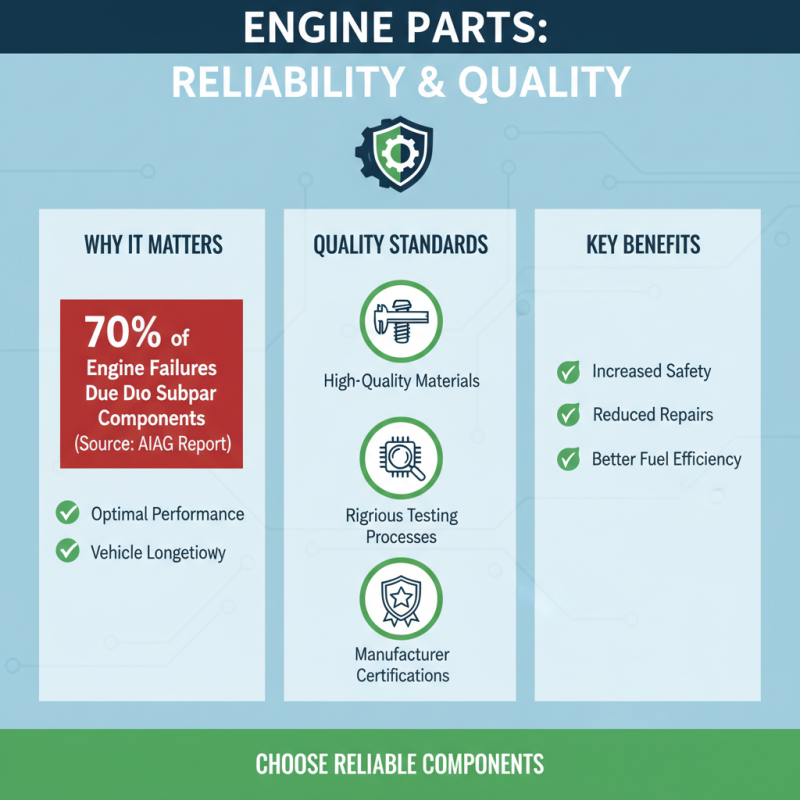
When selecting engine parts for your vehicle, the reliability and quality of components play a crucial role in ensuring optimal performance and longevity. To assess the reliability of engine parts, it is important to evaluate specific quality standards that manufacturers adhere to. According to a report from the Automotive Industry Action Group (AIAG), around 70% of engine failures can be traced back to subpar component quality. Thus, prioritizing high-quality materials and rigorous testing processes is essential.
One effective method for assessing the quality of engine parts is to look for certifications such as ISO 9001, which indicates a commitment to quality management systems. Additionally, examining the manufacturer’s warranty and return policy can provide insights into their confidence in their products. Data from the Engine Manufacturers Association reveals that parts with extended warranties often correlate with higher reliability ratings.
Tips for evaluating engine parts:
1. **Research Materials**: Higher-grade materials like forged steel or aluminum alloys tend to perform better under stress and temperature variations.
2. **Check Testing Standards**: Verify whether the parts have undergone standard testing for durability and performance benchmarks. Reports from the Society of Automotive Engineers indicate that testing procedures can significantly predict long-term reliability.
3. **Read Customer Reviews**: Looking at direct feedback from users can reveal the real-world performance of the parts under various driving conditions.
Analyzing Materials: The Impact of Steel vs. Aluminum on Engine Performance
When choosing engine parts, the materials used can significantly impact performance, durability, and weight. Steel and aluminum are two of the most common materials used in engine components, each with its own set of advantages and disadvantages.
Steel is known for its strength and toughness, making it a popular choice for critical engine parts that require high levels of durability, such as crankshafts and connecting rods. However, the increased weight of steel can affect overall vehicle performance, particularly in terms of acceleration and fuel efficiency.
On the other hand, aluminum offers a lighter alternative that can enhance performance by reducing the overall weight of the engine. This reduction can lead to better acceleration and improved fuel efficiency. Additionally, aluminum has favorable thermal conductivity properties, allowing for better heat dissipation, which is essential for maintaining optimal engine temperatures.
However, aluminum parts may be more susceptible to wear and fatigue compared to their steel counterparts, making careful consideration necessary when selecting components for high-performance applications.
Ultimately, the choice between steel and aluminum for engine parts depends on the specific requirements of the vehicle and the intended use. For applications that prioritize durability and strength, steel may be the better option. Conversely, for those emphasizing performance and weight reduction, aluminum could prove advantageous. Understanding the implications of these materials is crucial for making informed decisions when upgrading or replacing engine components.
Top Brands in 2025: Leading Manufacturers and Their Offerings
When selecting engine parts for your vehicle, it's crucial to understand the offerings from leading manufacturers. The dominance of certain brands in 2025 showcases their commitment to quality, innovation, and customer satisfaction. These manufacturers not only provide a range of components designed to enhance performance but also emphasize durability and efficiency. From pistons and cylinders to timing belts and oil pumps, the right choices can significantly impact your vehicle's performance and longevity.
In 2025, many top manufacturers are investing in advanced materials and technology, ensuring their products meet the highest standards. This includes a focus on lightweight materials that reduce overall vehicle weight, improve fuel efficiency, and enhance responsiveness. Additionally, state-of-the-art manufacturing processes are implemented to guarantee precision and reliability in each part. As you explore the marketplace, it’s essential to consider these brands not just for their reputation but for their ongoing contributions toward sustainable and innovative automotive solutions.
Top 2025 Engine Parts Guide: How to Choose the Best Components for Your Vehicle
| Part Type |
Material |
Compatibility |
Warranty Period |
Price Range (USD) |
| Engine Oil Filter |
Synthetic Fiber |
Universal |
1 Year |
15 - 40 |
| Spark Plug |
Copper |
Most Gas Engines |
2 Years |
5 - 15 |
| Oil Pump |
Aluminum |
Selected Vehicles |
3 Years |
50 - 150 |
| Fuel Injector |
Plastic and Metal |
Fuel-Injected Engines |
2 Years |
20 - 100 |
| Timing Belt |
Rubber |
Specific Makes |
5 Years |
30 - 80 |
Cost vs. Performance: Budgeting for High-Quality Engine Components
When it comes to selecting engine parts for your vehicle, the balance between cost and performance remains a critical consideration. High-quality components often come with a price tag that reflects their durability and efficiency. However, it’s essential to focus on how the investment in these parts can lead to long-term savings and enhanced performance. Opting for cheaper alternatives might seem appealing initially, but these parts can lead to increased wear and tear, resulting in more frequent replacements and ultimately higher overall costs.
Budgeting for engine components requires thorough research and realistic assessment of your vehicle's needs. Prioritizing performance is crucial, especially if you rely on your vehicle for daily use or specific high-performance applications. While it's tempting to cut corners, investing in dependable parts can significantly improve engine efficiency, fuel economy, and overall driving experience. To maximize value, consider factors such as warranty, expected lifespan, and the potential for improved performance metrics, which can often justify the initial higher expenditure.
Cost vs. Performance of Engine Parts in 2025