What Are the Best Car Engine Types for Performance?
When it comes to car performance, the engine type plays a crucial role. Various studies, including those from the Society of Automotive Engineers, demonstrate how different car engine designs impact performance metrics. For instance, internal combustion engines remain popular, yet hybrid and electric options are gaining traction. Reports indicate that electric vehicles (EVs) can accelerate faster than many traditional engines, showcasing a shift in consumer preferences.
As performance enthusiasts seek the best car engine, factors like horsepower, torque, and efficiency come into play. In recent years, turbocharged engines have surged in use. They offer higher power output without significantly increasing size. However, some experts argue that they may lack the responsiveness of naturally aspirated engines. Performance testing data reveals that while turbo engines excel in power, they can sometimes deliver a less engaging driving experience.
Moreover, reliability is paramount when selecting a car engine type. Issues with maintenance and repairs can quickly diminish a vehicle's performance. A balance between performance and dependability is essential for car enthusiasts. Consumers must consider personal needs alongside the engine type. Ultimately, understanding the nuances of each car engine can lead to informed decisions that enhance driving experiences.
Types of Car Engines and Their Impact on Performance
Car engines come in various types, affecting overall performance significantly. Internal combustion engines, despite being the most common, have limitations. They rely on fossil fuels and produce emissions. According to the International Energy Agency, this technology represents 80% of vehicles on the road. While powerful, these engines face growing scrutiny due to environmental concerns.
In contrast, electric engines offer instant torque and high efficiency. The U.S. Department of Energy reports that electric vehicles can convert over 60% of electrical energy from the grid to power at the wheels. This is significantly higher than conventional engines. However, the range of electric vehicles often raises concerns, as charging infrastructure improves but remains inconsistent.
Hybrid systems combine both technologies, aiming to offset the drawbacks of each. They provide better fuel economy and lower emissions. Nonetheless, the complexity of their systems can lead to higher maintenance costs. Each engine type has its pros and cons, which should be considered in the context of personal performance priorities and environmental impacts.
What Are the Best Car Engine Types for Performance?
| Engine Type |
Configuration |
Power Output (hp) |
Torque (lb-ft) |
Common Usage |
| V8 |
V Configuration |
300 - 600 |
300 - 600 |
Muscle Cars, Trucks |
| I4 (Inline 4) |
Inline Configuration |
100 - 250 |
100 - 200 |
Compact Cars, Sedans |
| V6 |
V Configuration |
200 - 400 |
200 - 300 |
Sports Cars, SUVs |
| I6 (Inline 6) |
Inline Configuration |
250 - 500 |
300 - 400 |
Luxury Cars, High-Performance Vehicles |
| Turbocharged Engines |
Various Configurations |
150 - 600 |
200 - 600 |
Performance Cars, SUVs |
Internal Combustion Engines: The Traditional Performance Choice
Internal combustion engines have long been the backbone of high-performance vehicles. They possess a unique combination of power and responsiveness that many enthusiasts love. Typically, these engines operate on gasoline or diesel, igniting a fuel-air mixture to generate energy. This energy propels vehicles swiftly, making them popular for racing and performance driving.
Despite their longstanding dominance, internal combustion engines face challenges. They can be less efficient than newer technologies like electric engines. Emissions also contribute to environmental concerns. Many people are rethinking their value. Yet, their ability to deliver instant power and thrilling acceleration remains unmatched. Car enthusiasts appreciate this raw energy, which creates an emotional connection between driver and machine.
Performance metrics frequently reflect the advantages of these engines. They can deliver significant torque at various RPM ranges. This versatility allows for a dynamic driving experience, whether on a racetrack or city streets. However, the evolving automotive landscape pushes for alternatives. Drivers should weigh the pros and cons. What makes a vehicle enjoyable? Is it time to consider new options? The debate continues.
Performance of Different Engine Types
This chart compares the performance output of different types of internal combustion engines based on horsepower and torque. The data represents average performance metrics for common engine configurations.
Electric Engines: The Future of High-Performance Vehicles
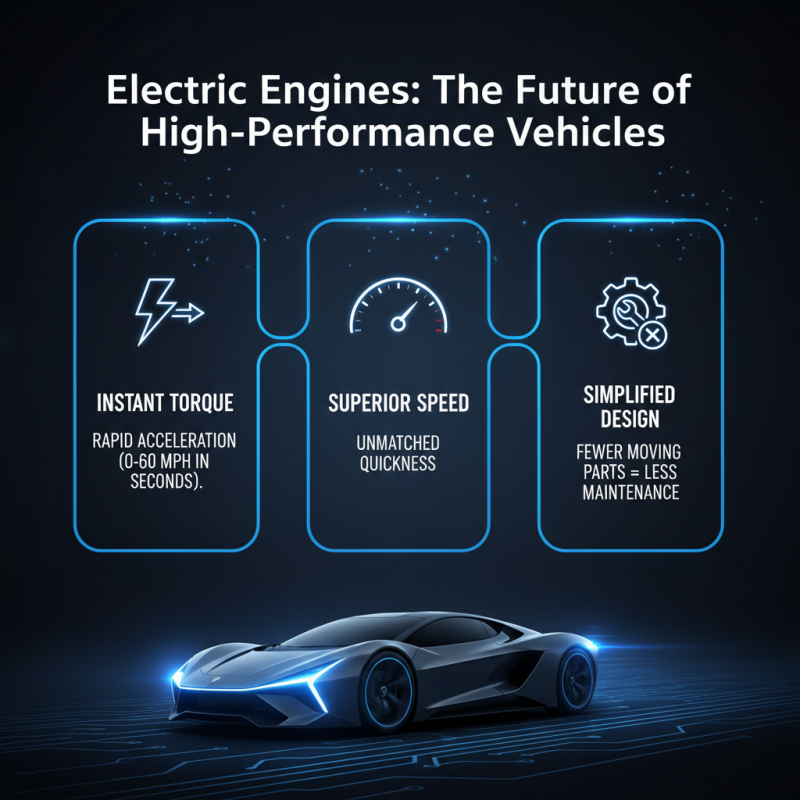
Electric engines are transforming the landscape of high-performance vehicles. They deliver instant torque, providing rapid acceleration that traditional combustion engines struggle to match. This capability allows electric vehicles to sprint from 0 to 60 mph in mere seconds, which is impressive. Plus, they have fewer moving parts, which often means less maintenance.
When considering electric engines, think about battery efficiency. Electric cars require significant energy to perform well. Research into battery technologies is essential. This can reveal options that enhance performance without compromising range. Remember, a well-balanced vehicle is key in high-stakes performance driving.
Tips for enthusiasts: Always pay attention to weight distribution. An electric vehicle's weight is often concentrated due to the battery placement. This can affect handling. Also, keep an eye on recharge times. Quick charging stations are vital for long journeys. Evaluate your charging options before committing to an electric vehicle.
Hybrid Engines: Combining Power and Efficiency for Performance
Hybrid engines represent a significant evolution in automotive technology. These engines combine traditional internal combustion with electric power. This unique setup allows for an impressive balance of power and efficiency. Drivers can experience acceleration that rivals conventional engines. At the same time, fuel consumption typically improves.
The hybrid system captures energy during braking. This process is known as regenerative braking. It helps recharge the electric battery without external charging. However, hybrid technology can feel complex for some users. Maintenance for hybrid systems can be more intricate than standard engines. Understanding the components can pose a challenge.
Moreover, while hybrids excel in city driving, they may lag on highways. Highway speeds often rely heavily on the combustion engine. The transition between electric and gas can sometimes be less smooth. As technology advances, these issues may lessen.
Nevertheless, owning a hybrid means embracing a learning curve. The benefits often outweigh the challenges for performance and eco-conscious enthusiasts.
Performance Metrics: Evaluating Engine Types for Speed and Handling
When evaluating engine types for speed and handling, several performance metrics come into play. Engine power, torque, and response time are crucial. Naturally aspirated engines provide a direct connection to the driver. They can feel more engaging but may lack the raw power of turbocharged units. Turbocharged engines, on the other hand, offer impressive torque at lower RPMs, enhancing acceleration. However, this can lead to a lag that impacts immediate responsiveness.
Consider the weight of the engine as well. A lighter engine can improve the overall handling of the vehicle. It lowers the center of gravity, enhancing cornering stability. Additionally, hybrid systems combine electric motors with traditional engines. This can offer superior efficiency and instant torque, perfect for quick starts. However, these systems can add complexity and potential maintenance challenges.
Tips: Always pay attention to engine tunes and modifications. They can significantly impact performance and reliability. Regularly check oil levels and quality for optimal engine health. Remember, performance should not sacrifice safety and drivability. Balancing power and control is key for any driving enthusiast.