What is a Car Engine and How Does It Work?
A car engine is a complex system at the heart of every vehicle. In 2022, the global automotive engine market was valued at over $152 billion, highlighting its crucial role in the industry. A car engine converts fuel into motion, enabling transportation as we know it. Understanding how it works is vital for both engineers and car owners.
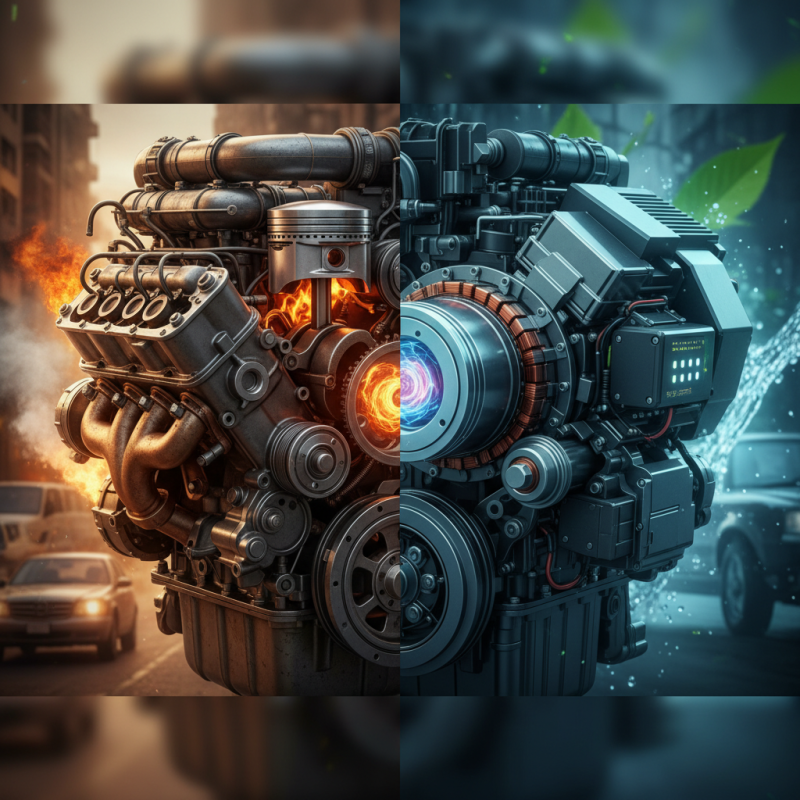
Engines vary in design, with internal combustion and electric models being most common. According to recent studies, internal combustion engines still dominate the market, comprising about 85% of vehicles worldwide. However, the rise of electric vehicles challenges this dominance, urging engineers to innovate. Each type has advantages and drawbacks.
Delving into the workings of a car engine reveals inefficiencies, such as fuel consumption and emissions. Many older engines struggle with these issues. As technology evolves, the shift towards cleaner engines becomes essential. This transformation prompts reflection on the balance between power and environmental responsibility in automotive engineering.
What is a Car Engine?
A car engine is often termed the heart of a vehicle. It converts fuel into energy, allowing the car to move. According to the International Energy Agency, around 1.4 billion vehicles operate globally, with 90% still relying on internal combustion engines. This reveals the enormous impact of traditional engines, despite the rise of electric alternatives.
Engines typically consist of multiple components. The core components include the cylinder, pistons, and crankshaft. When fuel combusts in the cylinder, it creates pressure, propelling the pistons. This movement turns the crankshaft, ultimately powering the wheels. A report by the Society of Automotive Engineers indicated that engines must achieve efficiency rates exceeding 30% to meet regulatory standards. Still, many engines fall short of this target, indicating a significant area for improvement.
Modern engines now incorporate advanced technologies, such as turbocharging and direct fuel injection. These features enhance performance while reducing emissions. However, automotive engineers face challenges in balancing performance with environmental standards. Innovations in engine tech continue to evolve, yet many traditional designs remain prevalent, highlighting the tension between innovation and legacy structures in the automotive industry.
Engine Types and Their Efficiency Ratings
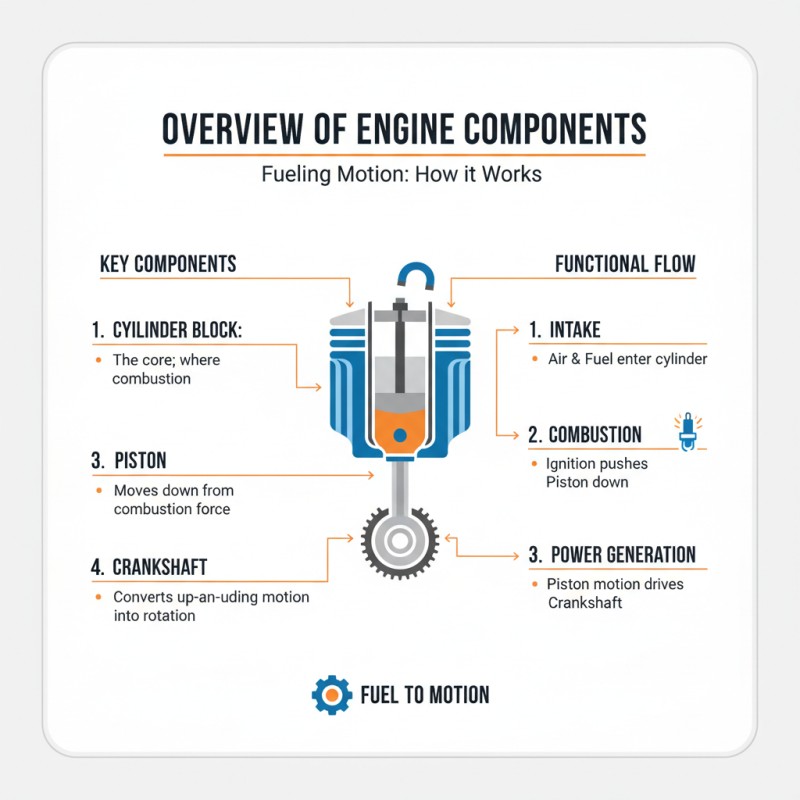
Overview of Engine Components and Their Functions
The engine is the heart of a car, converting fuel into motion. Knowing the components can enhance your understanding of its operation. At the core is the cylinder block, where combustion occurs. The process starts when air and fuel enter the cylinder, igniting to push the piston. This movement drives the crankshaft, an essential part of power generation.
Pistons move up and down, creating mechanical energy. In a typical gasoline engine, a four-stroke cycle is common, consisting of intake, compression, power, and exhaust strokes. According to the International Council on Clean Transportation, current gasoline engines have an efficiency of around 30%. Despite improvements, these engines still face challenges in efficiency and emissions.
Tip: Regular maintenance can enhance engine performance. Simple checks, like oil levels and air filters, can significantly impact efficiency. Attention to the cooling system is vital as overheating can lead to costly repairs.
The timing belt coordinates the engine's operations. If it fails, serious damage can occur. Maintaining the belt typically extends between 60,000 to 100,000 miles, according to automotive experts. Continuous research is important, as evolving technologies promise more efficient engines in the future.
The Four-Stroke Cycle Explained
The four-stroke cycle is fundamental in understanding how car engines operate. Each cycle comprises four stages: intake, compression, power, and exhaust. During the intake phase, fuel and air enter the combustion chamber. This step sets the stage for efficient combustion, crucial for maximizing engine performance.
In the compression stage, the piston moves up, compressing the mixture. This compression enhances the mixture's ignitability, making combustion more efficient. Data suggests that engines with optimized compression ratios can achieve up to 20% better fuel efficiency. However, balancing compression is a challenge that requires careful engineering to avoid knocking or misfire.
Next, the power stroke ignites the compressed mixture, driving the piston down. This step is where the engine generates usable energy. It’s reported that this phase alone accounts for about 25% of the energy lost as heat. Finally, the exhaust phase releases burnt gases, completing the cycle. Proper exhaust management is vital for reducing emissions, an area many manufacturers are improving. Each of these stages poses unique challenges, underscoring the complexities of engine design and efficiency.
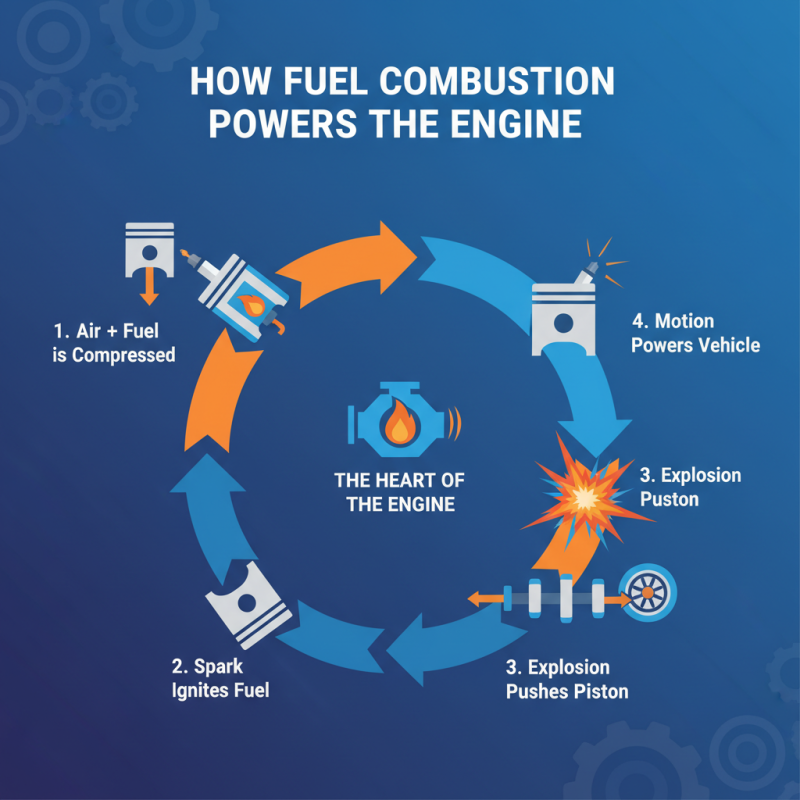
How Fuel Combustion Powers the Engine
Fuel combustion is the heart of any car engine. It begins when air and fuel mix together in the engine's cylinders. This mixture is then compressed by the piston, igniting the fuel with a spark from the spark plug. The explosion from this ignition pushes the piston down. This motion is what ultimately powers the vehicle.
However, the efficiency of combustion can vary. Not all fuel burns completely, leading to wasted energy and increased emissions. A well-tuned engine will maximize combustion efficiency, but many factors affect this. Engine temperature, fuel quality, and air intake all play roles in how effectively the fuel burns. Sometimes, even the engine design can limit performance.
In practice, many drivers overlook these details. Regular maintenance can ensure optimal fuel combustion. Simple checks like replacing air filters and spark plugs can make a difference. Ignoring these elements might lead to diminished power and higher fuel costs. Understanding combustion helps us appreciate what happens under the hood.
The Role of Engine Cooling and Lubrication Systems
The engine cooling and lubrication systems are vital for optimal engine performance. A car engine generates intense heat during operation. Without proper cooling, overheating can occur. According to industry reports, overheating can lead to a significant decrease in engine efficiency and ultimately damage components. The cooling system primarily utilizes a mixture of coolant and water, circulated by a water pump to regulate temperatures.
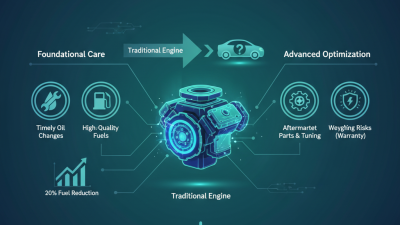
Lubrication is equally critical. Engine oil reduces friction between moving parts. This protection helps prevent wear and prolongs engine life. Studies show that adequate lubrication can increase engine efficiency by 20%. Regularly checking oil levels ensures proper functioning. Low oil can lead to catastrophic failures.
Tip: Regular maintenance of the cooling and lubrication systems is essential. Cleaning the cooling system at regular intervals can prevent clogs. Additionally, using the recommended oil grade can optimize performance. Examine oil condition and levels every month. Remember, neglecting these systems may lead to costly repairs and unwanted downtime.