Best Car Engine Tips for Maximum Performance and Longevity

When it comes to ensuring the optimal performance and longevity of your vehicle, understanding the intricacies of the car engine is paramount. The engine serves as the heart of your car, converting fuel into the power that drives your daily adventures. Proper maintenance and careful driving practices can significantly enhance the engine's efficiency, reduce wear and tear, and ultimately extend the lifespan of your vehicle. In this guide, we will explore essential tips that every car owner should consider to maximize the performance of their car engine.

From routine oil changes to monitoring fluid levels and recognizing early signs of potential problems, each aspect of car engine care plays a critical role in overall vehicle performance. Furthermore, adopting proper driving habits and being aware of environmental factors can also contribute to the longevity of your engine. By following these best practices, you can ensure that your car engine not only performs at its best but also stands the test of time, providing you with a reliable and enjoyable driving experience for years to come.
Best Car Engine Tips for Maximum Performance and Longevity

Best Practices for Regular Engine Maintenance to Extend Lifespan

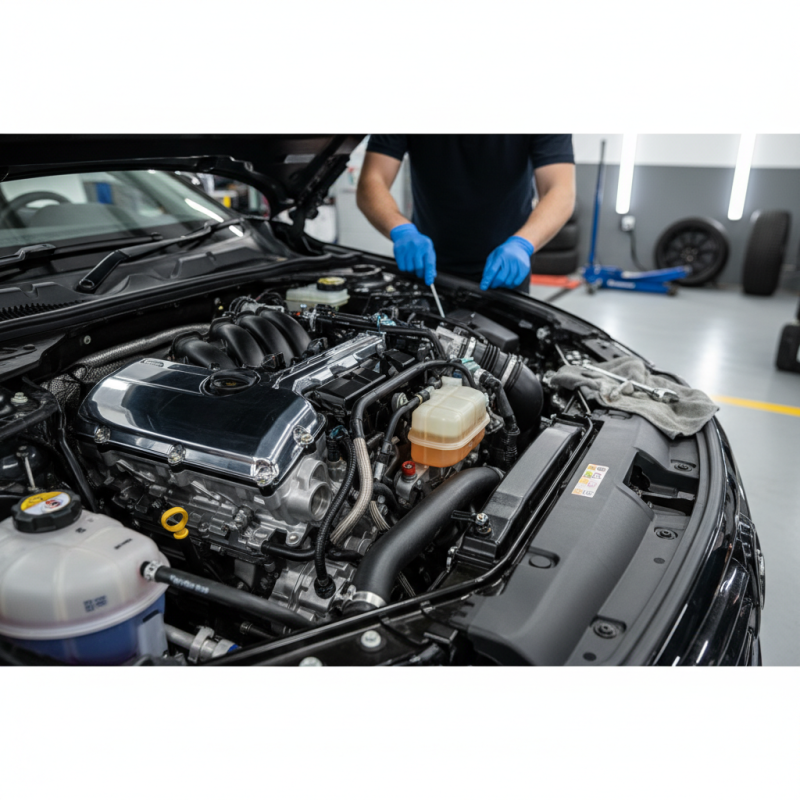
Regular engine maintenance

is crucial for ensuring the longevity and performance of your vehicle. One of the simplest yet most effective practices is to adhere to a routine oil change schedule. Fresh oil lubricates engine components, reduces friction, and helps to prevent excessive wear. It’s advisable to check oil levels regularly and replace the oil and oil filter as recommended in the owner's manual. Moreover, using the correct oil type can enhance engine efficiency, improving fuel economy and overall performance.

In addition to oil changes, inspecting and replacing air filters is vital for maintaining optimal engine airflow. A clogged air filter restricts the air entering the engine, which can lead to poor combustion and reduced power. Furthermore, regular checks of the cooling system, including coolant levels and temperature, prevent overheating, a common engine issue that can lead to significant damage.

Other essential maintenance tasks include checking spark plugs, belts, and hoses for wear and tear, all of which contribute to the engine's efficient operation and extended lifespan. By prioritizing these practices, vehicle owners can enjoy a smoother drive and maximize their engine's longevity.
Understanding Oil Types: Choosing the Right Oil for Your Engine's Needs

Choosing the right oil for your engine is critical for optimizing its performance and ensuring longevity. Engine oil serves multiple functions, including lubricating moving parts, reducing friction, cleaning contaminants, and regulating temperature. A recent study by the American Petroleum Institute indicates that using the appropriate oil can enhance engine efficiency by up to 10%, thereby contributing to better fuel economy and lower emissions.

Different types of engine oils exist, categorized mainly into conventional, synthetic, and blended oils. Conventional oils, derived from crude oil, are often less expensive but may lack the high-temperature stability and protective properties found in synthetic oils. Synthetic oils, formulated with chemically engineered additives, offer superior protection, especially for high-performance engines. According to the Society of Automotive Engineers, synthetic oils can maintain viscosity and provide better protection in extreme conditions, which is essential for engines operating in varied climates or under heavy loads.

When selecting oil, it’s crucial to consider the manufacturer’s recommendations, which include viscosity ratings and specifications. The API and SAE have established standards that guide consumers on choosing oils that align with their vehicle's needs. Adhering to these guidelines can prevent engine wear and tear, safeguarding your investment and ensuring that your engine operates efficiently over its lifespan.

The Impact of Air Filters on Engine Performance and Fuel Efficiency

The air filter plays a crucial role in maintaining optimal engine performance and fuel efficiency. According to a study by the Car Care Council, replacing a clogged air filter can enhance engine performance by as much as 11%. A clean air filter ensures that the engine receives the proper air-to-fuel ratio needed for combustion, thereby improving the vehicle’s responsiveness and throttle performance.

Moreover, research indicates that an effective air filtration system can also boost fuel economy significantly. The U.S. Department of Energy reports that a clean air filter can increase fuel efficiency by up to 10% by preventing engine strain from working against insufficient airflow.

Additionally, regularly checking and replacing air filters not only enhances engine performance but also contributes to extending the life of the engine by preventing harmful debris from entering the combustion chamber. Overall, prioritizing air filter maintenance is a simple yet impactful way to ensure your vehicle operates at its peak efficiency and longevity.

Signs of Engine Wear: When to Seek Professional Help for Repairs

Best Car Engine Tips for Maximum Performance and Longevity

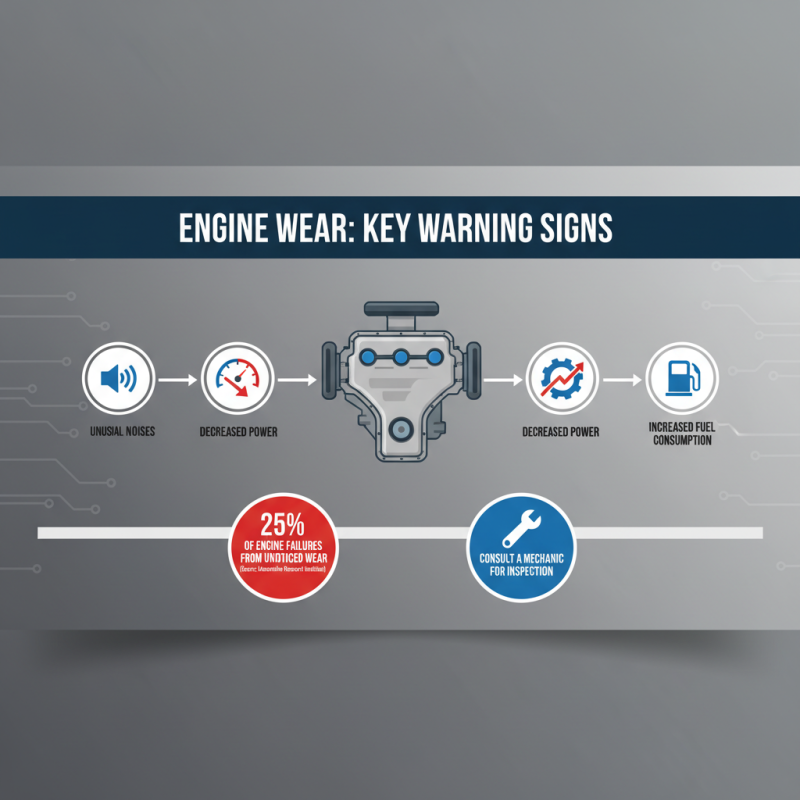
When it comes to maintaining your vehicle, recognizing the signs of engine wear is crucial for ensuring optimal performance and longevity. According to the Automotive Research Institute, approximately 25% of engine failures can be attributed to unnoticed wear and tear, which often leads to more extensive and costly repairs. Common indicators of engine wear include unusual noises, decreased power, and increased fuel consumption. These symptoms can signal issues such as worn bearings or valve lifters, suggesting that it might be time to consult a professional mechanic for an inspection.

Early intervention can make a significant difference in engine health. A study by the Engine Performance Society indicates that addressing wear symptoms promptly can extend an engine's lifespan by up to 30%. Regular maintenance checks, which include monitoring oil levels and quality, inspecting belts and hoses, and evaluating performance metrics, are essential in catching wear early. If you notice a persistent check engine light or if the engine emits excess smoke, these could be red flags warranting immediate professional attention. Ultimately, staying vigilant about these indicators not only safeguards your investment but also enhances your vehicle's overall performance.

Optimizing Cooling Systems for Enhanced Engine Longevity and Performance

Best Car Engine Tips for Maximum Performance and Longevity

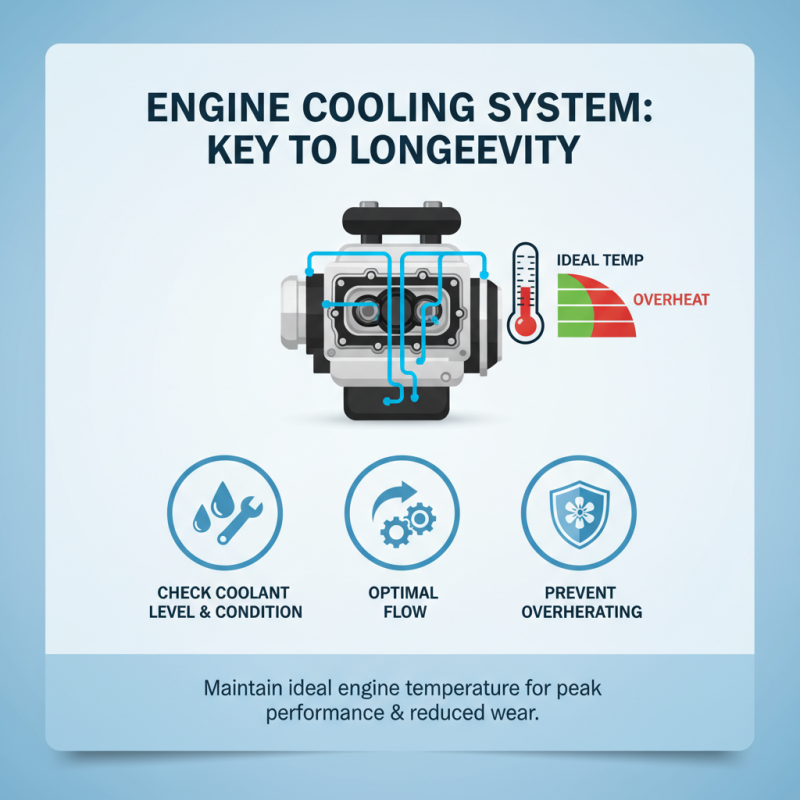
To achieve optimal engine performance and longevity, a well-functioning cooling system is essential. The cooling system plays a crucial role in maintaining the engine temperature within an ideal range. When the engine operates too hot, it can lead to accelerated wear and tear, increased friction, and potential damage to vital components. Regular checks of the coolant levels, condition, and flow can prevent overheating and ensure the engine runs efficiently.

Additionally, utilizing high-quality coolant that resists temperature fluctuations can significantly enhance the cooling system's effectiveness. It's also important to inspect hoses and connections for wear or leaks. Replacing worn-out parts promptly will help maintain an efficient cooling system. Incorporating a radiator flush periodically can remove accumulated deposits and enhance heat exchange efficiency, further contributing to an optimally functioning engine environment.

Lastly, considering the ambient environment and driving conditions can help tailor the cooling system setup. In areas with extreme temperatures or heavy stop-and-go traffic, investing in an upgraded cooling capacity can be beneficial. By prioritizing these aspects, vehicle owners can ensure their engines not only perform at their best but also enjoy a longer lifespan.