China Top Engine Parts Manufacturers and Their Global Impact
The evolution of the automotive industry increasingly highlights the importance of engine parts. China stands as a global leader in manufacturing these critical components. Major manufacturers in China have established a stronghold, significantly affecting markets around the world. Their production capabilities offer a blend of innovation and affordability.
However, challenges persist. Quality control remains a concern for many consumers. Some manufacturers struggle to meet international standards, leading to skepticism. Despite these issues, the demand for engine parts continues to rise. Countries increasingly rely on Chinese suppliers for reliable components.
The expertise of Chinese manufacturers offers both advantages and risks. As the market evolves, manufacturers must prioritize quality alongside cost efficiency. The future of engine parts manufacturing is intertwined with China's role in the global supply chain. Understanding these dynamics is crucial for companies and consumers alike.
China's Automotive Industry: An Overview of Engine Parts Manufacturing
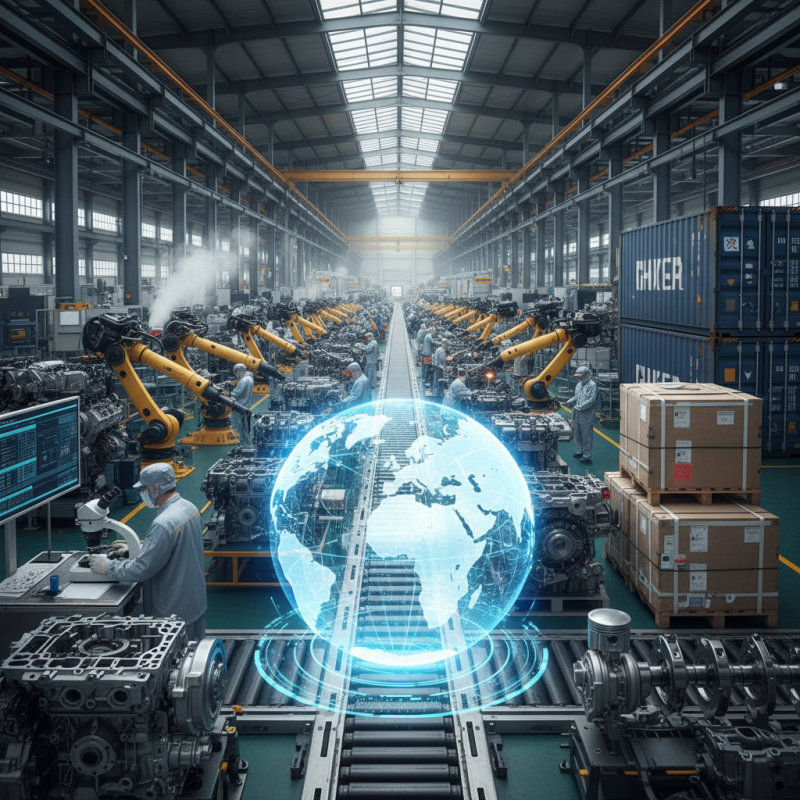
China's automotive industry has emerged as a powerhouse in global engine parts manufacturing. In 2023, China's automotive parts market reached an estimated value of $200 billion. This rapid growth is fueled by increased vehicle production and international partnerships. Domestic manufacturers are producing high-quality components, contributing significantly to both local and global markets.
However, this fast pace comes with challenges. Many small and medium-sized manufacturers struggle with quality assurance. Reports indicate that over 25% of engine parts produced do not meet international standards. This inconsistency raises concerns among global partners, affecting trust and supply chain reliability. Additionally, continuous innovation in technology outpaces some manufacturers' ability to adapt, highlighting the need for urgent reskilling.
The global impact of China's engine parts manufacturing is undeniable. It accounts for nearly 30% of the world’s engine components. As manufacturers strive for better quality and sustainability, there is increasing investment in advanced technologies. The evolution of this sector will depend on how effectively these challenges are addressed.
Global Impact of China's Engine Parts Manufacturing
Key Players in China's Engine Parts Manufacturing Sector
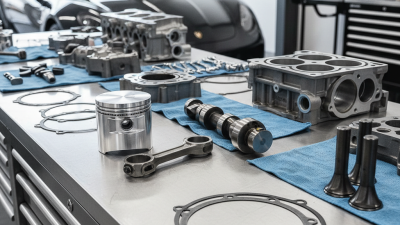
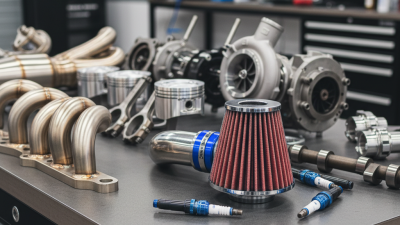
China's engine parts manufacturing sector plays a crucial role in the global automotive industry. Many manufacturers are known for their innovative approaches and cutting-edge technology. They produce a variety of components, including pistons, crankshafts, and cylinder heads. This diversity allows them to meet the varying demands of local and international markets.
One key aspect of this sector is its adaptability. Manufacturers continuously update their machinery and processes. They invest heavily in research and development to maintain competitiveness. This focus on innovation drives global partnerships and collaborations, expanding their reach. As a result, these companies significantly influence engine performance and efficiency worldwide.
Tips: When choosing suppliers, evaluate their technology and quality control systems. Access to advanced machinery can enhance production reliability. It's also important to assess their ability to scale operations in response to market needs. This will ensure a robust supply chain that meets your specific requirements. Expanding partnerships may require time, but the long-term benefits can be substantial.
China Top Engine Parts Manufacturers and Their Global Impact
| Rank |
Manufacturer Type |
Annual Revenue (USD) |
Market Reach |
Key Technologies |
| 1 |
Large Scale Manufacturer |
$5 Billion |
Global |
Advanced CNC Machining |
| 2 |
Medium Scale Manufacturer |
$2 Billion |
Asia and Europe |
3D Printing Technologies |
| 3 |
Small Scale Manufacturer |
$500 Million |
Local |
Eco-friendly Materials |
| 4 |
Specialized Manufacturer |
$1.2 Billion |
North America |
Hybrid Engine Components |
| 5 |
Innovative Start-up |
$200 Million |
Emerging Markets |
Smart Engine Control Systems |
Technological Advancements by Chinese Engine Parts Manufacturers
Technological advancements in China’s engine parts manufacturing sector have gained significant global attention. These manufacturers are increasingly integrating advanced materials and cognitive technologies into their production lines. A recent report highlights that the global market for engine components is projected to reach $800 billion by 2026, with a notable contribution from Chinese firms.
Chinese companies are exploring lightweight and durable materials. This shift can lead to improved fuel efficiency and reduced emissions. A study indicated that the use of advanced materials could improve performance by up to 15%. However, challenges remain. There are inconsistencies in quality control, which can affect reliability.
Furthermore, many manufacturers are adopting AI and automation. Robotics in production lines promises faster and more accurate outputs. Yet, the integration of such technologies is not uniform across the industry. Some firms lag behind, struggling with the transition. Continuous investment in R&D is essential for maintaining competitive advantages and ensuring global relevance.
Export Trends and Global Market Reach of Chinese Engine Parts
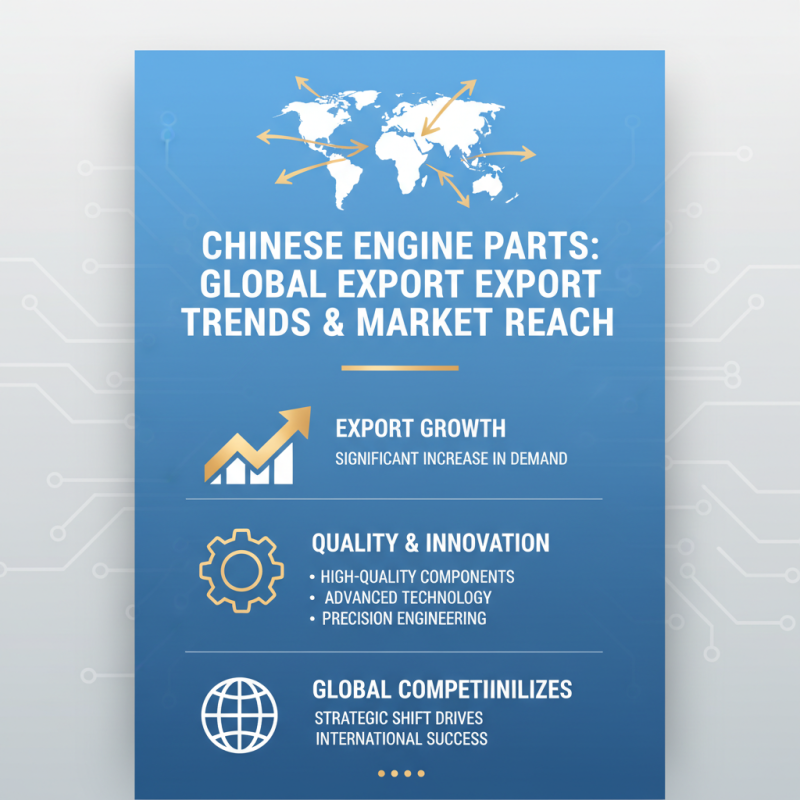
China has emerged as a key player in the global engine parts market. The export trends indicate a significant increase in demand for high-quality engine components. Many manufacturers are focusing on advanced technology and precision engineering. This strategic shift enhances their competitiveness on an international scale.
Chinese engine parts have reached diverse markets, including Europe and North America. However, some manufacturers struggle with quality consistency. This inconsistency can lead to customer dissatisfaction and harm long-term relationships. As these manufacturers aim for global reach, improving quality control remains a vital area for growth.
Moreover, the increasing focus on sustainable practices is shaping export trends. Companies are exploring eco-friendly materials and production methods. This trend aligns with the global demand for greener solutions. However, implementation can often lag behind theory, highlighting a need for proactive approaches in the industry. Balancing growth with sustainability is a challenge that requires continuous reflection and adaptation.
Challenges and Opportunities for China's Engine Parts Industry
China's engine parts industry faces a mix of challenges and opportunities. The rapid development of technology has transformed production methods. This shift demands high-quality materials and precise engineering. However, adapting to these innovations can be resource-intensive. Many manufacturers struggle to keep pace. Their reliance on traditional practices may hinder competitiveness.
Global market expansion provides new avenues for growth. International demand for engine components continues to rise. Yet, navigating global regulations can be daunting. Compliance is critical, but it can be complex and costly. Engaging with foreign partners offers valuable insights. Collaborations can foster innovation and efficiency.
Sustainability is another pressing challenge. The push for eco-friendly practices is reshaping the landscape. Many manufacturers must reevaluate their supply chains. This requires investment and a commitment to lasting change. Despite these hurdles, the potential for a greener industry exists. Embracing sustainable practices can lead to long-term benefits. It remains essential for manufacturers to reflect on their role in this evolving market.