How to Choose the Right Car Spare Parts for Your Vehicle?
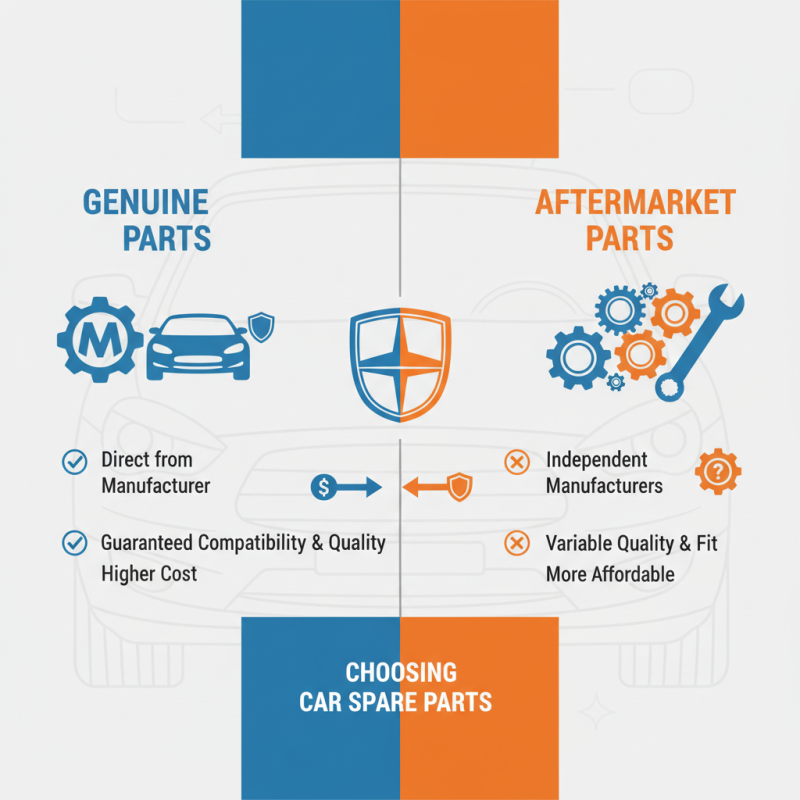
Choosing the right car spare parts is crucial for vehicle performance and safety. With a wide variety of options available, it can be overwhelming. The market is flooded with choices, from original equipment manufacturer (OEM) parts to aftermarket alternatives. Each type has its pros and cons, which makes the decision-making process complex.
One must consider compatibility, quality, and cost when selecting car spare parts. For instance, using low-quality parts might save money initially but can lead to bigger issues later. Experienced drivers often advise checking reviews and recommendations. It's easy to overlook important details, leading to potential regrets. The right part can extend your vehicle's lifespan, while the wrong choice can bring frustration.
Ultimately, understanding your vehicle's specific needs is key. Be aware that not all car spare parts are created equal. Research and careful consideration can prevent costly mistakes. Your vehicle deserves reliable components that ensure optimal performance. Take the time to reflect on your choices before making a purchase.
Understanding the Importance of Choosing the Right Spare Parts
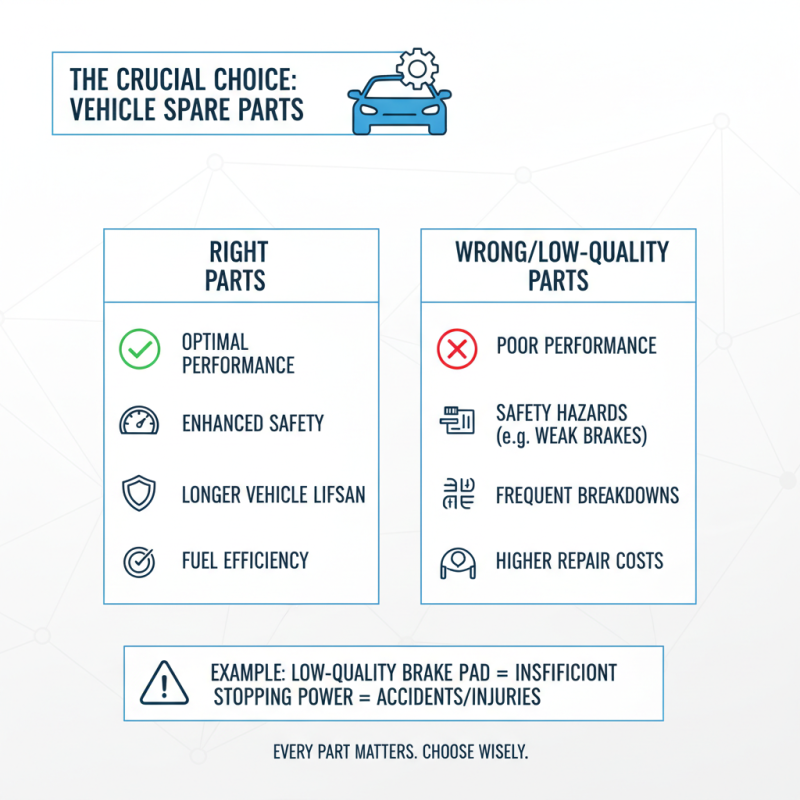
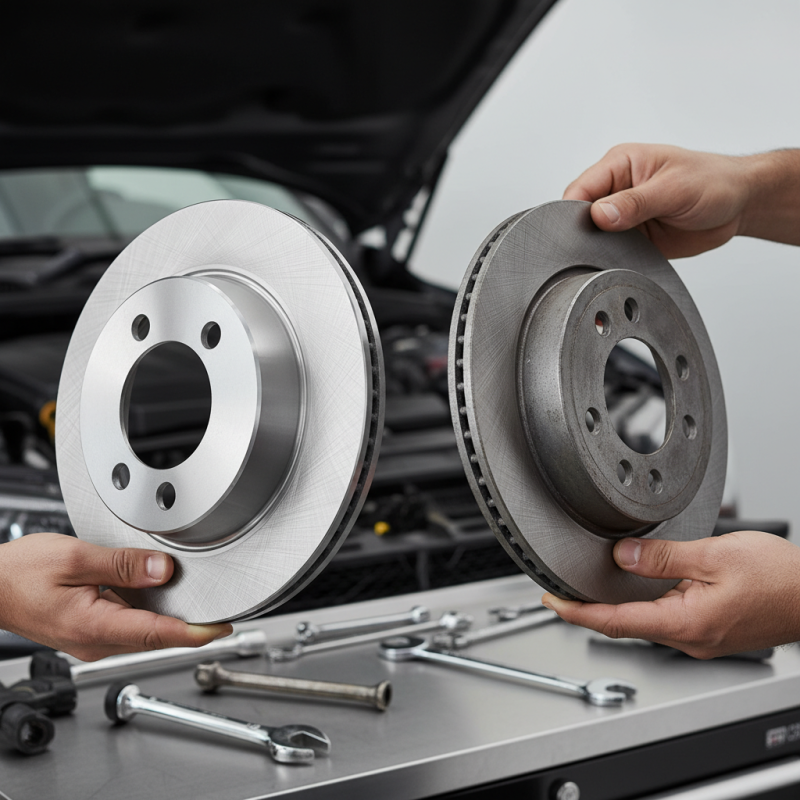
Choosing the right spare parts for your vehicle is crucial. Using unsuitable parts can lead to performance issues and safety hazards. For instance, a low-quality brake pad may not provide sufficient stopping power. This could result in accidents or injuries. Every part plays a significant role in how your car functions.
Understanding what's beneath the hood is essential. Different models of vehicles require specific parts. Using generic alternatives might save money, but it can compromise the integrity of your vehicle. It’s tempting to go for a cheaper option. However, consider the long-term effects. A malfunctioning part could lead to more expensive repairs down the line.
Always do your research before purchasing spare parts. Look for reliable sources of information and read reviews. Purchasing parts without understanding their specifications can be risky. Ideally, parts should match your vehicle’s requirements closely. If unsure, consult with a professional. This can prevent costly mistakes and enhance your understanding of vehicle maintenance. Remember, choosing the right spare parts is not just a financial decision; it's a safety one too.
Identifying the Correct Spare Parts for Your Vehicle Model
Choosing the right spare parts for your vehicle is essential for maintenance and safety. The first step is to identify your specific vehicle model. This includes knowing the make, model, and year. According to industry reports, nearly 75% of vehicle owners purchase incorrect parts due to lack of this information. This can lead to wasting money on parts that do not fit.
Once you have this information, consult your vehicle's manual. This resource often provides details on compatible spare parts. Many manuals include part numbers as well. Be aware that some aftermarket parts may claim compatibility but often do not meet original equipment specifications. Quality assurance levels vary significantly. In fact, 30% of consumers report issues with aftermarket parts that resulted in additional repairs.
Consider using online databases or professional services to verify part compatibility. This could save you time and frustration. Engaging in discussions with knowledgeable professionals can also provide insights. Remember, even well-reviewed spare parts may have unintended consequences. Reflect on the long-term performance and reliability of the parts you choose. Ensuring the right fit is crucial for the overall health of your vehicle.
How to Choose the Right Car Spare Parts for Your Vehicle?
This chart illustrates the percentage distribution of different types of spare parts commonly needed for vehicle maintenance and repairs. Understanding the most required spare parts can help vehicle owners make informed decisions when purchasing replacements.
Evaluating Quality vs. Cost in Car Spare Parts Selection
When selecting car spare parts, the balance between quality and cost is vital. Cheaper parts may seem appealing, but they often compromise performance. For instance, a low-cost brake pad might wear out too quickly. This could lead to safety issues and more expenses down the line. It's crucial to consider how often you'll be replacing those parts.
Quality parts provide longevity. They may come at a higher price, but they can save money in the long term. Think about the engine components. Opting for robust materials might cost more upfront. However, this choice can minimize the risk of breakdowns and costly repairs in the future. Research is key here.
Don’t forget about your vehicle's specific needs. Sometimes, aftermarket parts can be a gamble. While they can be affordable, they might not fit perfectly. You might face installation headaches or performance drops. Reflecting on your priorities is essential. Choosing spare parts isn’t just about saving money; it’s about ensuring reliability.
How to Choose the Right Car Spare Parts for Your Vehicle? - Evaluating Quality vs. Cost in Car Spare Parts Selection
| Part Type |
Quality Rating |
Cost ($) |
Warranty Period |
Compatibility |
| Brake Pads |
High |
75 |
2 Years |
Universal |
| Oil Filter |
Medium |
20 |
1 Year |
Specific Models |
| Starter Motor |
High |
150 |
3 Years |
Vehicle-Specific |
| Headlight Bulbs |
Low |
15 |
6 Months |
Universal |
| Timing Belt |
Medium |
100 |
5 Years |
Specific Models |
Tips for Installing and Maintaining Car Spare Parts Effectively
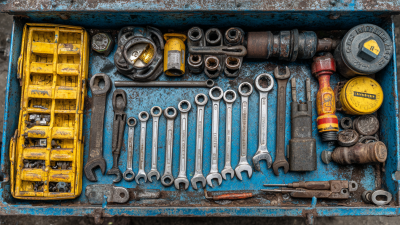
When it comes to installing car spare parts, attention to detail is key. Always ensure you have the correct tools for the job. Using the right tools, like wrenches and screwdrivers, can make the process smoother. Check your workspace for safety; a cluttered area can lead to accidents.
Maintenance is equally important. Regularly inspect your parts for wear and tear. Look for any rust or corrosion that could affect functionality. Clean the parts routinely to prevent buildup. Remember, some parts require specific maintenance steps. Ignoring these could lead to larger issues.
Don’t rush the installation or maintenance process. Take your time to make sure everything fits perfectly. If a part doesn’t align, reassess your approach. Sometimes, it helps to consult a mechanic or refer to manuals. Learn from mistakes we all make at times. Reflect on the process to improve your skills.