
How to Choose the Best Freeze Dried Dog Food?

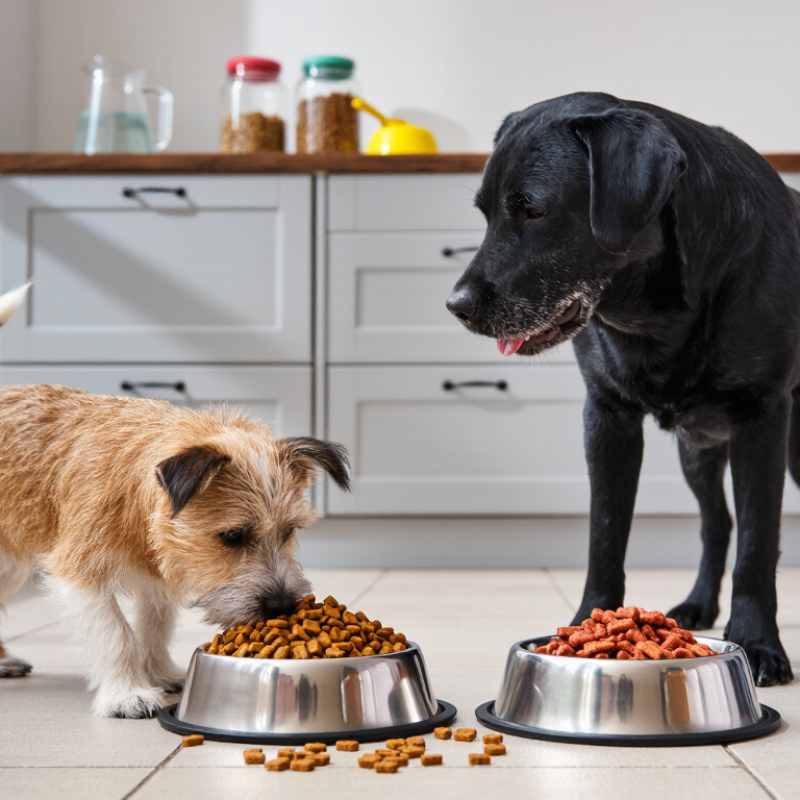
Choosing the best Freeze Dried Dog Food requires more than attractive packaging or impressive ingredient photos. It means matching the food with your dog’s age, size, activity level, health history, and eating habits. A lively young terrier may need different nutrition from an older dog with sensitive digestion. Your veterinarian can help interpret those differences, especially when allergies or medical conditions are involved.

Start with the label. Look for clearly named animal proteins, balanced nutritional information, feeding directions, and calories per serving. Check whether the product is complete and balanced for your dog’s life stage. Reliable manufacturers should explain their quality controls, ingredient sourcing, and testing practices. Independent certifications can add confidence, but they should not replace careful label reading. A beautiful ingredient list proves little by itself.

Texture matters too. Some dogs enjoy the dry, crunchy pieces. Others eat too quickly or refuse food without warm water. Rehydrating the meal can improve texture and support moisture intake, but follow the package guidance carefully. Wash bowls and store opened food in a cool, dry place. Freeze-dried products are not automatically risk-free, so sensible handling remains important.

No label is perfect.

Observe your dog after introducing a new recipe. Watch appetite, stool quality, energy, coat condition, and body weight. Change foods gradually when possible. Even then, results can be uneven. A recipe that suits one dog may upset another. The best choice combines evidence, professional advice, responsible preparation, and your dog’s real response over time.
How to Choose the Best Freeze Dried Dog Food?

What Freeze-Dried Dog Food Is and How It Is Made

Freeze-dried dog food is made from raw or gently cooked ingredients with most moisture removed. The food is frozen first, then placed in a vacuum chamber. Ice changes directly into vapor, leaving the ingredients dry and lightweight. This process helps preserve shape, smell, and some nutrients without the high heat used in traditional kibble. You may still see tiny pieces of meat, vegetables, or ground bone.

The manufacturing details matter. Responsible producers test incoming ingredients, control processing temperatures, and check for harmful bacteria. A clean facility and sealed packaging also protect the food from moisture. Freeze-drying does not make food automatically safe. It reduces water, not every possible risk. That point is easy to overlook. Storage instructions deserve attention, especially after opening the package.

When choosing a formula, check whether it is complete and balanced for your dog’s life stage. A veterinary nutritionist or qualified professional can help you assess unusual ingredients or medical needs. Rehydrate the food with clean water and follow the feeding directions, unless your veterinarian recommends another amount. The texture should become soft, not soupy. I would also examine the ingredient list, calorie content, lot information, and expiration date. Some formulas look natural but provide limited nutritional detail. That should prompt a closer look. Introduce the food gradually over several days, because even a high-quality diet can upset a sensitive stomach.


How to Evaluate Ingredients and Nutritional Completeness

Evaluating freeze-dried dog food starts with the nutritional adequacy statement. AAFCO’s 2024 Dog Food Nutrient Profiles set adult-maintenance protein at 18% dry matter and fat at 5.5%. Growth diets require higher minimums: 22.5% protein and 8.5% fat. These figures are minimum standards, not quality scores. They also require careful label reading. Freeze-dried food contains little moisture, so compare nutrients on a dry-matter basis. A food showing 30% protein may look impressive, but the ingredient source still matters.

The ingredient list should identify named meats, organs, grains, vegetables, or oils clearly. Vague terms deserve questions. WSAVA’s Global Nutrition Guidelines state that ingredient lists alone cannot prove nutritional quality. Check whether the recipe is complete for your dog’s life stage. Feeding-trial wording offers stronger evidence than a simple formulation claim. Still, neither method guarantees perfect tolerance for every dog.

Calorie density matters. A small freeze-dried portion can contain substantial energy after water removal. Rehydrate it according to the feeding directions, then adjust portions using your dog’s weight, activity, stool quality, and body condition. The National Research Council’s Nutrient Requirements of Dogs and Cats emphasizes that energy needs vary with age, activity, and environment. I have seen owners trust attractive ingredient panels too quickly. I have made that mistake myself. Independent laboratory testing for nutrients, pathogens, and oxidation adds useful confidence, although testing is not the same as feeding experience.

How to Match the Food to Your Dog’s Age, Size, and Health

How to Choose the Best Freeze Dried Dog Food?

How to Match the Food to Your Dog’s Age, Size, and Health

Choosing freeze-dried dog food starts with the dog in front of you, not the package. Age changes nutritional priorities. Puppies need balanced energy, protein, calcium, and phosphorus for steady growth. Adult dogs usually need calorie control, while seniors may benefit from digestible recipes and joint-supportive nutrients. Large-breed puppies require extra caution because rapid growth can stress developing bones. Small dogs, however, often need more calories per kilogram and smaller pieces.

Health conditions make matching more personal. A dog with food sensitivities may need a short, clearly defined ingredient list, but guessing the trigger can mislead you. Weight gain calls for measured portions, not simply a “light” label. Kidney, liver, digestive, or urinary concerns deserve veterinary guidance before changing food. Freeze-dried food is concentrated, so a small scoop can contain surprising calories. Add the recommended water. Fresh water should remain available.

Read the guaranteed analysis and feeding directions, then compare calories per cup or gram. Look for complete-and-balanced nutritional adequacy for your dog’s life stage. Rehydrate gradually if your dog has eaten dry food; sudden changes can cause loose stools. Monitor stools, skin, energy, weight, and appetite for two weeks. No chart is perfect. Your dog may need less than suggested, especially after reduced activity. I would adjust portions slowly and keep a simple record, because memory is a poor measuring tool. That notebook can reveal patterns one meal hides.

How to Choose the Best Freeze-Dried Dog Food?

Match the food to your dog’s age, size, and health needs

The chart compares minimum crude protein and crude fat levels on a dry-matter basis for two recognized life-stage nutrient profiles. Puppies and pregnant or nursing dogs generally require higher nutrient density than healthy adult dogs. Size, activity level, body condition, and medical needs should also guide portion size and product selection. Dogs with kidney, liver, digestive, or other health conditions should be fed under veterinary guidance.

How to Compare Safety, Quality, Cost, and Storage Requirements

How to Choose the Best Freeze Dried Dog Food?

Compare safety, quality, cost, and storage before judging the package. Freeze-drying reduces moisture, but it does not remove every pathogen risk. Choose food with clear safety controls, batch information, and a recognized nutritional adequacy statement. Ingredient lists should identify specific meats, vegetables, and added nutrients. Vague descriptions make quality harder to assess. My early mistake was trusting attractive ingredient photos instead of checking feeding directions and nutritional details.

Cost can be misleading. Compare the price per day or per calorie, not only the bag price. A smaller serving may justify a higher cost if the food is nutrient-dense. Still, expensive does not automatically mean better. Watch your dog’s stool, energy, coat, and body weight during a gradual change. A veterinarian can help evaluate special needs, especially for puppies, seniors, or dogs with medical conditions.

Tips: Store the unopened package in a cool, dry cupboard. Seal it tightly after opening, and keep moisture away from the food. Use clean, dry scoops. If you add water, follow the label and refrigerate leftovers promptly. Serve rehydrated portions within the recommended time. I sometimes find storage advice unclear, so I would contact the manufacturer rather than guess. Check for damaged packaging, unusual odor, or moisture before serving. Unsafe-looking food belongs in the bin.

How to Choose the Best Freeze-Dried Dog Food: Safety, Quality, Cost, and Storage Comparison
Evaluation Dimension Preferred Benchmark What to Compare on the Product Label or From the Manufacturer Potential Concern or Red Flag
Nutritional adequacy Complete and balanced for the dog’s life stage, with a recognized nutritional adequacy statement. Confirm whether the food is intended as a complete diet or only as a treat, topper, or intermittent feeding product. Check whether it is formulated for puppies, adults, seniors, or all life stages. A product described as a “topper,” “supplement,” or “treat” should not replace the main diet unless a veterinarian provides specific guidance.
Pathogen control A documented food-safety program that includes ingredient controls, sanitation procedures, environmental monitoring, and finished-product testing. Ask whether the manufacturer uses a validated kill step, such as heat treatment, or conducts testing for pathogens including Salmonella and Escherichia coli. Freeze-drying removes moisture but does not reliably eliminate all bacteria, viruses, or parasites. “Raw,” “natural,” or “human-grade” wording is not, by itself, proof of microbiological safety.
Ingredient transparency Clearly named animal proteins, identifiable fats, vitamins, minerals, and a complete ingredient list in descending order by weight. Look for specific ingredients such as chicken, turkey, beef, or salmon rather than vague terms such as “meat” or “animal derivatives.” Review the guaranteed analysis and calorie content. Unclear ingredient descriptions, missing calorie information, or major differences between the marketing claims and the ingredient list require extra caution.
Protein and fat profile Nutrient levels appropriate for the dog’s age, activity, body condition, and veterinary needs. Compare protein and fat on a dry-matter basis when products have different moisture levels. Freeze-dried foods commonly contain approximately 35%–50% protein and 15%–35% fat on a dry-matter basis, but individual formulas vary. Very high fat may be unsuitable for dogs with pancreatitis risk or certain gastrointestinal conditions. High protein is not automatically better for every dog.
Calorie density Calories clearly stated per cup, gram, or kilogram, with feeding guidance that can be adjusted for body condition. Use the manufacturer’s metabolizable-energy value rather than comparing cup sizes alone. Freeze-dried foods commonly provide roughly 3,500–5,000 kcal per kilogram, depending on the formula. A small serving can contain substantial calories. Measuring by weight is generally more consistent than measuring by volume.
Rehydration requirement Clear water-to-food guidance and a practical soaking time, commonly about 2–5 minutes. Determine whether the food is designed to be fed dry, rehydrated, or either way. Use clean drinking water and prepare only the amount needed for one meal. Rehydrated food contains more moisture and is more perishable than dry pieces. Do not leave it at room temperature for extended periods.
Typical cost Compare cost per 1,000 kcal rather than cost per bag or pound. Typical U.S. retail ranges for complete freeze-dried diets are approximately $10–$28 per 1,000 kcal, although ingredient selection, package size, and formula can change the price substantially. A lower price may reflect a topper product, lower calorie density, or a smaller amount of animal protein. A higher price does not automatically indicate better safety or nutritional quality.
Package size and freshness A package size that can be used well before its best-by date after opening. Estimate daily usage from the dog’s calorie requirement. Choose smaller packages for small dogs or households that use the food slowly. Repeated opening exposes the food to oxygen and humidity. A large bag is not economical if it remains open for many months.
Unopened storage Cool, dry, dark storage in the original sealed packaging. Store away from direct sunlight, heat, moisture, cleaning chemicals, and areas accessible to pets. Follow the manufacturer’s stated best-by date. Do not store freeze-dried food in a hot garage, humid utility room, or unsealed container where moisture can enter.
Opened-package storage Airtight, clean, dry storage with the opening date recorded. Reseal the original package or transfer the food to a food-grade airtight container. Follow the manufacturer’s recommended use period after opening. Discard food with visible moisture, mold, unusual odor, insect contamination, or damaged packaging. Avoid topping up a new batch over old food without cleaning the container.
Prepared-food handling Safe handling practices comparable to other animal foods, especially when the formula contains raw ingredients. Wash hands, bowls, utensils, and preparation surfaces after handling. Refrigerate unused rehydrated portions promptly and follow the product’s time limit. Households with young children, older adults, pregnant people, or immunocompromised individuals should use extra caution with raw or minimally processed pet food.
Quality-control evidence Traceable manufacturing information and accessible customer-service or technical documentation. Look for a lot number, expiration or best-by date, feeding instructions, contact details, country of manufacture, and a clear method for reporting quality problems. Products lacking lot identification, complete feeding directions, or basic manufacturer contact information are difficult to verify and should be treated cautiously.
Suitability for the individual dog A formula that matches the dog’s age, size, activity level, allergies, body condition, and medical history. Transition gradually over approximately 7 days, monitor stool quality and body weight, and consult a veterinarian for dogs with kidney disease, pancreatitis, food allergies, or other medical conditions. A food can be high quality yet unsuitable for a particular dog. Persistent vomiting, diarrhea, itching, or weight change warrants veterinary advice.
Practical selection rule: Prioritize a complete and balanced formula, documented pathogen controls, transparent calorie and ingredient information, manageable cost per calorie, and storage requirements that fit your household. Prices, calorie densities, and shelf-life guidance vary by formulation and region, so verify the current product label before purchasing.

How to Transition Your Dog to Freeze-Dried Food Safely

How to Choose the Best Freeze Dried Dog Food?

Transitioning your dog to freeze-dried food should be gradual, even when the recipe looks gentle and nutritious. Start by mixing a small spoonful with the current food for two or three days. Increase the new portion slowly over seven to ten days. Sensitive dogs may need longer.

Watch the bowl and the floor.

Choose a food labeled complete and balanced for your dog’s life stage. Check the ingredient list, nutritional adequacy statement, feeding directions, and storage instructions. Rehydrate the food with clean water when recommended, especially if your dog drinks little. I have found that lukewarm water often improves acceptance, but every dog reacts differently.

A sudden change can cause loose stools, gas, or refusal, and reducing the pace is not failure.

Tips: Keep meals at consistent times. Measure portions carefully, since dry food becomes heavier after adding water. Wash bowls after each meal and refrigerate rehydrated leftovers promptly. Contact a veterinarian if vomiting, persistent diarrhea, itching, weakness, or appetite loss appears. Puppies, senior dogs, and dogs with kidney or digestive conditions may need a tailored plan. I would not rely on attractive packaging alone; professional advice and transparent nutritional information matter more.