How to Choose the Best Self Driven Rail Cart?
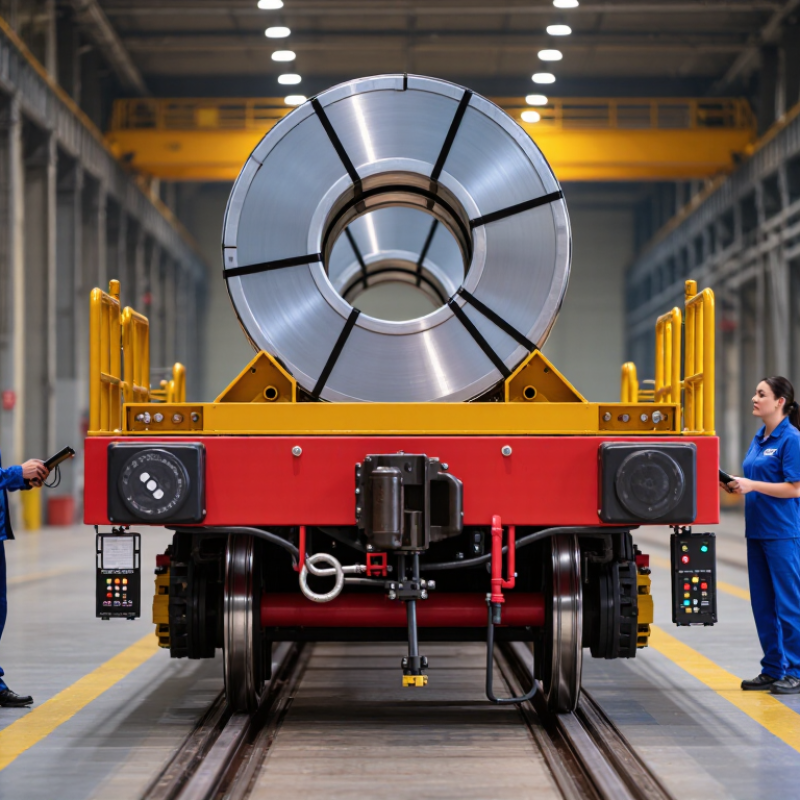
Choosing a Self Driven Rail Cart is less about selecting the largest motor and more about matching the equipment to the work. A cart that moves steel coils along a smooth indoor track may not suit outdoor routes, tight curves, or frequent stops. Start with the heaviest load, its footprint, and how its weight is distributed. Then check track gauge, curve radius, gradients, travel distance, and available clearance. Small mismatches matter. A cart can meet its rated payload yet handle poorly when a load sits off-center.
Power and controls deserve equal attention. Battery capacity should reflect travel distance, operating hours, charging windows, and expected stops—not just a brochure figure. Review acceleration, braking, emergency stops, obstacle detection, and manual recovery with the supplier. Ask for documented test results, and confirm performance in the dust, moisture, temperatures, and track conditions found at your site. Maintenance access matters too. Check how easily technicians can inspect wheels, drive components, batteries, and controls. A lower purchase price may mean longer downtime or more difficult servicing. It depends. I would not treat a feature list as proof of suitability. Compare stated specifications with the actual route and operating schedule, and ask which assumptions still need testing. This guide outlines the practical questions that help narrow the options, assess trade-offs, and choose a cart that fits both the load and the workplace.
Identify the Cart’s Intended Rail-Handling Tasks
Start with the job, not the cart. Will it carry single rails, bundled sections, or tools and fastening materials? Each task creates different demands for deck width, load restraint, and access. Record the longest rail, typical bundle weight, and loading method before comparing equipment. A narrow deck may suit individual rails but make bundles awkward to secure.
Map the actual route, too. Note track gauge, tight curves, gradients, crossings, and the distance between loading and unloading points. A cart that travels well on straight, level track may need different steering or braking provisions on curves and slopes. Check how operators will position a rail without reaching across a moving load. Small details matter. Consider duty cycle: occasional short transfers differ from repeated trips across a full shift. Ask how the cart starts, stops, and handles an unevenly distributed load. I would not assume the rated capacity alone settles the choice; real loads can shift, and site conditions are rarely perfect. Compare the proposed configuration with the heaviest routine task, then verify clearances and operating procedures with the people who handle the rails daily.
Check Track Compatibility and Operating Conditions
A self driven rail cart must match the track it will actually use, not just the dimensions on a drawing. Measure the rail gauge, rail-head width, and clearance around switches and platforms. Check that the wheel profile suits the rail and that the cart can negotiate the tightest curve. Small details matter. A mismatch can cause rough travel, wheel wear, or unreliable steering.
Operating conditions matter just as much. Estimate the heaviest load, including tools or materials added later, and compare it with the cart’s rated capacity. Note gradients, stopping distances, travel frequency, and whether the route includes wet, dusty, or uneven sections. Temperature and indoor or outdoor use may also affect batteries, controls, and maintenance needs. Even a careful survey can miss a difficult corner, so verify measurements on the actual route before committing.
Tips: Walk the full track and mark curves, crossings, and loading points. Photograph rail joints and measure narrow clearances. Ask the supplier to confirm compatibility using your track dimensions and operating conditions. If the route may change, leave room in the specification; that extra margin is easy to underestimate.
Compare Payload Capacity, Speed, and Power Options
Choosing a self-driven rail cart starts with the load, not the advertised maximum. Add the heaviest item, fixture, and any tools carried onboard. Then check the cart’s rated payload and leave a practical margin. A cart that barely meets the load may struggle during starts or on uneven, contaminated rails. Small details matter.
Speed should match the work area and stopping distance. A higher top speed may look efficient, but frequent loading, tight corners, and nearby workers can make controlled acceleration more useful. Ask for the loaded travel speed, not just the unloaded figure. Test a representative route if possible. Real tracks can surprise you.
Power options affect both operating time and maintenance. Battery-powered carts offer flexible routing, but runtime depends on load, travel distance, and charging access. Wired systems can suit fixed routes, though the installation may limit layout changes. Check charging time, expected duty cycle, and performance on slopes. One overlooked question: can the cart finish a full shift without an awkward mid-run recharge? Compare these figures under the same conditions, and treat vague estimates cautiously.
Review Safety Systems and Control Features
A self-driven rail cart should protect people before it prioritizes speed. Check the rated load, braking distance, and stopping behavior on the actual track layout. A cart carrying steel parts may need more stopping room than an empty unit. Ask for test records under realistic load conditions, not just a specification sheet.
Look for obstacle detection, emergency-stop buttons, and clear audible or visual warnings. Test the emergency stop from the operator’s usual position. It should be easy to reach. Confirm what happens after a sensor detects an obstruction: does the cart stop, slow down, or merely signal? Control features matter too. Adjustable speed zones, restricted-access settings, and a clear manual override can reduce risk during busy shifts. Try the controls with gloves on, near a curve, and at a crossing. Small details matter.
Sensors can be affected by dust, glare, or poor alignment, so ask how they are inspected and cleaned. No system is perfect. Review maintenance logs and confirm that faults are recorded clearly. Remote controls may help in some layouts, but they can also add confusion if several carts operate nearby. Request a practical demonstration, then note any awkward steps. That discomfort is useful evidence, not a reason to ignore the feature.
Assess Maintenance Needs and Total Ownership Costs
How to Choose the Best Self Driven Rail Cart?
Assess Maintenance Needs and Total Ownership Costs
A self-driven rail cart’s purchase price tells only part of the story. Estimate costs over the planned service period, including energy, inspections, spare parts, battery replacement where applicable, labor, and downtime. Check the maintenance access points: Can technicians reach the drive motor, wheel assemblies, sensors, and battery without lengthy disassembly? Dust, metal chips, and uneven track joints can increase wear. Ask for a preventive-maintenance schedule and realistic parts lead times, then compare those requirements with your team’s skills and shift pattern. A low-cost cart can become expensive if a small sensor fault stops a loaded production line.
Tip: Keep a simple maintenance log. Record labor hours, part changes, faults, and minutes lost to downtime.
Include energy in the calculation, but use your own site tariff. The U.S. Energy Information Administration’s Electric Power Annual reports an average U.S. industrial electricity price of 7.74 cents per kilowatt-hour for 2023; local rates can differ substantially. Multiply the cart’s measured energy use by your actual rate, then add maintenance and downtime costs. Compare options using the same operating hours and workload. A five-year estimate is useful, not exact. Battery life, track condition, and operator practices can change the result, so review the estimate after the first year of service.
How to Choose the Best Self-Driven Rail Cart: Maintenance Needs and 5-Year Ownership Costs
Illustrative planning estimate for one cart, in USD. Costs vary with payload, duty cycle, site conditions, labor rates, and supplier specifications.
This example estimates a five-year total ownership cost of $51,000, including purchase and commissioning, scheduled maintenance, a planned battery replacement, wear components, and energy. Compare maintenance intervals, parts availability, and service requirements against your operating conditions, then replace these estimates with site-specific quotes.