How to Choose the Right Automotive Parts for Your Vehicle Maintenance
Maintaining your vehicle in optimal condition is crucial for both safety and performance, which heavily relies on the quality and suitability of the automotive parts you choose. In the diverse world of vehicle maintenance, selecting the right components can be daunting given the vast array of options available. From essential engine parts to intricate electrical systems, understanding what you need is vital for ensuring longevity and reliability.
When embarking on the journey of vehicle upkeep, it's important to consider not only the specific needs of your car but also the compatibility and quality of the automotive parts available in the market. Various factors such as the make, model, and year of your vehicle play significant roles in determining the correct parts. Additionally, having knowledge about the different types of automotive parts, including original equipment manufacturer (OEM) and aftermarket options, can aid you in making informed decisions to enhance your vehicle's performance.
By familiarizing yourself with these aspects, you can navigate the often overwhelming choices in automotive parts and make selections that cater to your vehicle's requirements. This foundational understanding will empower you to maintain your car effectively, ensuring that it continues to function smoothly for years to come.
Understanding the Types of Automotive Parts Commonly Used in Vehicles
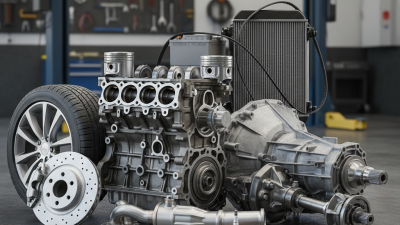
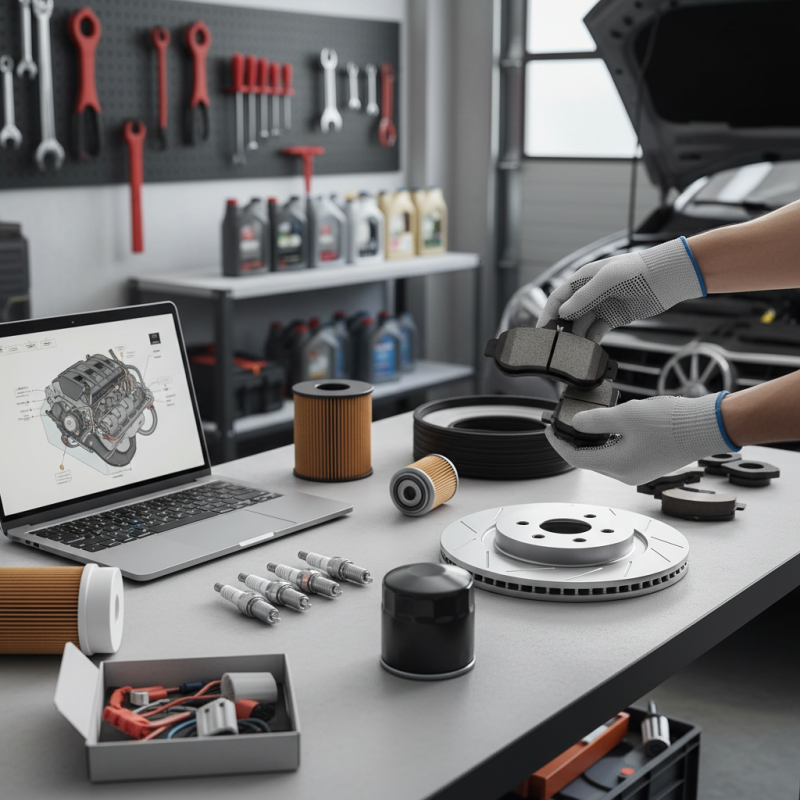
When it comes to vehicle maintenance, understanding the various types of automotive parts is crucial for ensuring your vehicle runs smoothly. Automotive parts can be categorized into several groups, including engine components, transmission parts, braking systems, and electrical systems. Each of these categories plays a vital role in the overall performance and safety of your vehicle. For instance, engine components such as pistons, valves, and crankshafts are essential for the proper functioning of the engine, while transmission parts like gears and clutches ensure efficient power transfer to the wheels.
In addition to these primary categories, there are also consumable parts that require regular replacement, such as filters, brake pads, and fluid, which are critical for maintaining optimal performance. Understanding the difference between OEM (Original Equipment Manufacturer) parts and aftermarket parts is also important. OEM parts are designed to meet manufacturer specifications and provide a guarantee of quality, while aftermarket parts may offer cost savings but can vary widely in quality. By familiarizing yourself with these common automotive parts, you can make informed decisions about replacements and upgrades, ultimately contributing to the longevity and efficiency of your vehicle.
Assessing Quality Standards: OE vs Aftermarket Parts for Longevity
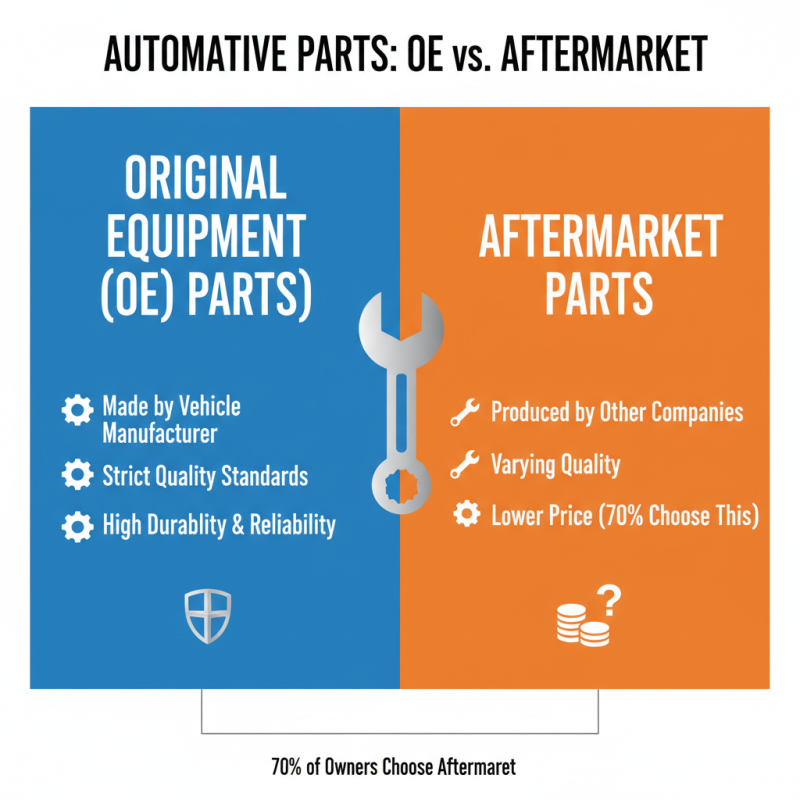
When it comes to vehicle maintenance, choosing the right automotive parts is crucial for ensuring longevity and performance. One of the key considerations is whether to opt for Original Equipment (OE) parts or aftermarket alternatives. While OE parts are manufactured by the vehicle’s original manufacturer and typically meet strict quality standards, aftermarket parts can vary greatly in quality. According to a report by the Automotive Aftermarket Industry Association, approximately 70% of vehicle owners opt for aftermarket parts due to their lower price point; however, not all aftermarket options provide the same level of durability and reliability.
To assess the quality of automotive parts, it's essential to examine industry standards and certifications. Look for parts that have been tested to meet or exceed OEM specifications. For example, parts that comply with ISO 9001 or have undergone rigorous testing through recognized entities can provide peace of mind. Research shows that vehicles using OE parts experience an average lifespan increase of 25% compared to those using lower-quality aftermarket parts.
Tip: Always ask for a warranty when purchasing automotive parts. A solid warranty can be an indication of the manufacturer's confidence in their product's longevity.
Additionally, consider consulting with a professional mechanic who can provide insights into the best options for your specific vehicle model. They can help navigate the vast array of choices and ensure you select parts that align with your vehicle's performance needs and your maintenance budget.
Tip: Keep a record of all parts used in your vehicle’s maintenance to track performance over time. This information can guide future maintenance decisions and help you identify any patterns in part reliability.
Evaluating Vehicle Compatibility with Part Specifications and Ratings
When choosing the right automotive parts for vehicle maintenance, evaluating compatibility with specific part specifications and ratings is crucial. Manufacturers often provide a detailed specification sheet for each part, which includes vital information such as dimensions, materials, and performance ratings. According to a recent report from the Automotive Parts Research Institute, around 30% of parts failures are attributable to incompatibility with the vehicle’s requirements. Therefore, understanding the specifications is the first step toward ensuring optimal performance and safety.
When inspecting the compatibility of a part, always reference the vehicle's owner manual for the correct specifications. Cross-referencing these details with trusted automotive databases can help confirm that the components align with your vehicle’s needs. Additionally, take note of established ratings such as the American National Standards Institute (ANSI) or ISO certifications. These ratings provide an independent assessment of a part’s quality and reliability.
Tips: Before making a purchase, consult with a certified mechanic or utilize online compatibility tools to verify the specifications of the parts. Furthermore, consider parts that come with a warranty, as this not only assures quality but also gives you peace of mind regarding future performance. Always keep an eye out for customer reviews and performance feedback, as these can provide real-world insights into the part's effectiveness and compatibility with your specific vehicle model.
Cost-Benefit Analysis: Investing in Dependable Parts for Performance
When it comes to vehicle maintenance, investing in dependable automotive parts can significantly impact long-term performance and reliability. A cost-benefit analysis serves as an essential tool to determine whether spending a bit more on high-quality components is worthwhile. While cheaper parts may seem appealing at first glance, they often compromise quality and longevity, leading to higher replacement costs and potential vehicle downtime. By evaluating the trade-offs between initial cost and expected durability, vehicle owners can make informed decisions that ultimately save them money and ensure their vehicle runs smoothly.
Moreover, reliable parts contribute to enhanced vehicle performance, safety, and fuel efficiency. Investing in quality components reduces the likelihood of mechanical failures and the associated costs of emergency repairs. In the long run, utilizing durable automotive parts fosters a stronger overall vehicle performance, which can sometimes lead to lower insurance premiums and increased resale value. Therefore, considering the bigger picture when selecting parts for vehicle maintenance is crucial; it helps to strike a balance between immediate expenses and the enduring benefits of performance, safety, and peace of mind.
Cost-Benefit Analysis of Automotive Parts for Vehicle Maintenance
This bar chart displays the average costs associated with different types of automotive parts. Investing in original equipment manufacturer (OEM) parts may offer greater reliability and performance, while aftermarket and used parts provide cost savings. Understanding these costs helps in making informed decisions for vehicle maintenance.
Researching Industry Trends: Essential Tools for Informed Purchase Decisions
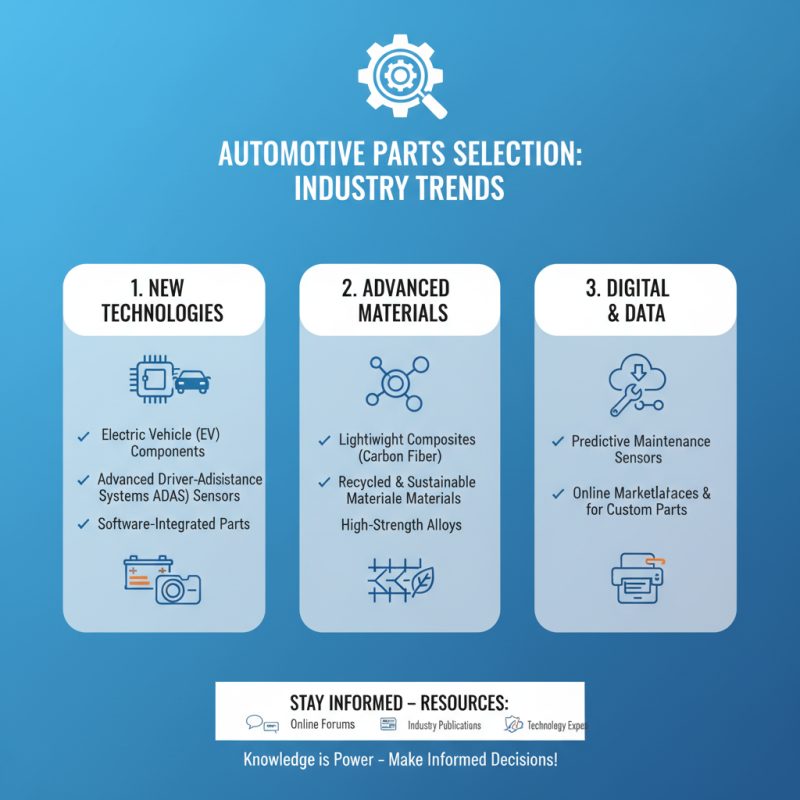
When it comes to selecting the right automotive parts for vehicle maintenance, understanding industry trends is paramount. The automotive market is dynamic, with new technologies, materials, and practices emerging regularly. Researching these trends not only enhances your knowledge but also equips you with the insights needed to make informed purchasing decisions. Online forums, industry publications, and technology expos can serve as invaluable resources, providing up-to-date information on what is currently available and what innovations are on the horizon.
Essential tools for this research include comparative analysis websites, which allow users to evaluate different parts' quality and pricing. Engaging with expert reviews and customer feedback can further narrow down the selection process. Additionally, leveraging social media and professional networks can connect you with other automotive enthusiasts and professionals who share their experiences and recommendations. This collective knowledge aids in identifying reliable suppliers and understanding the best practices in maintaining vehicle performance, ultimately leading to smarter investment decisions in automotive parts.