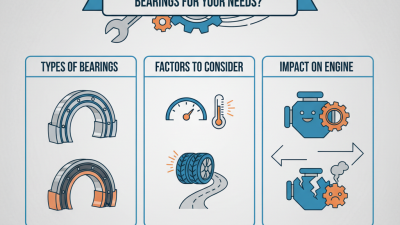
How to Choose the Right Engine Bearings?
Choosing the right engine bearings is not a catalog-only task. These precision parts support the crankshaft and connecting rods while a thin oil film separates moving surfaces. Too little clearance can restrict oil flow or cause heat; too much can lower oil pressure and invite knocking. Details matter.
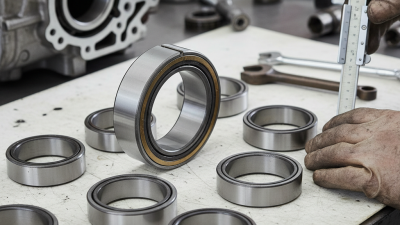
A dependable choice starts with the exact engine code, bearing location, crankshaft journal size, and manufacturer specifications. Check whether the crankshaft is standard or has been ground undersize. Measure journals and housing bores with suitable micrometers and bore gauges; do not rely on appearance alone. Confirm bearing material, oil-hole alignment, and intended service conditions, including load, speed, and temperature. Even a familiar engine can hide a machining change.
Fit is only part of the decision. Clean oil passages, correct assembly lubricant, proper fastener torque, and verified oil clearance all affect bearing life. A parts listing may look convincing and still be wrong. That is worth remembering. Compare measured values with the service manual, and ask an experienced engine machinist when readings fall outside specification. This guide explains how to assess bearing types, sizes, materials, and fitment, so you can choose based on evidence rather than guesswork. No single bearing is best for every rebuild.
Identify the Engine and Its Bearing Requirements
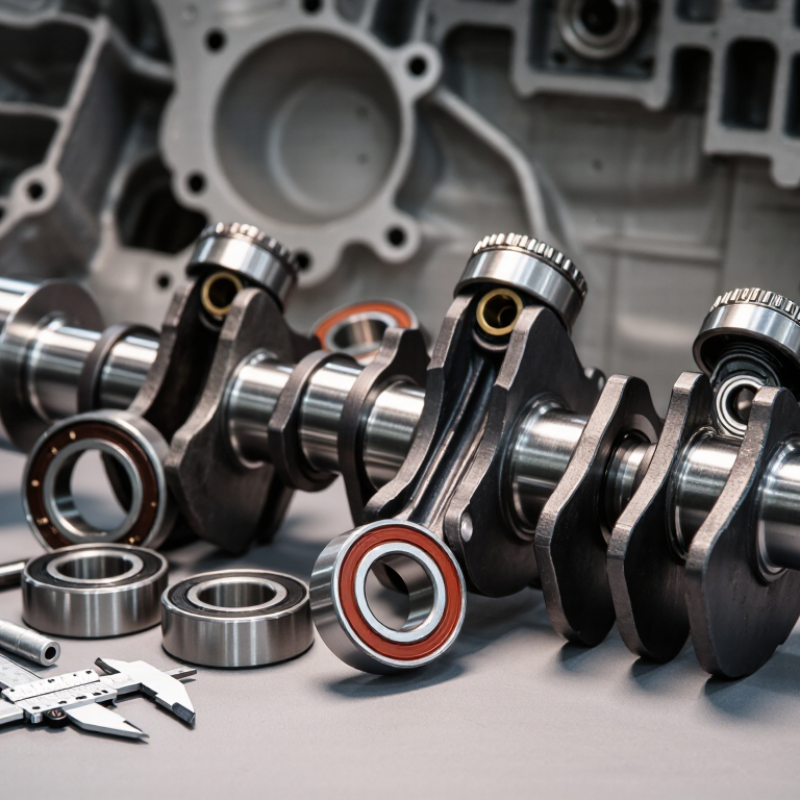
Before choosing engine bearings, identify the engine precisely. Record its model year, engine code, displacement, and any rebuild history. Similar engines can use different crankshaft dimensions, so appearance alone is not enough. Check the service manual or reliable engine specifications for the original journal sizes and bearing arrangement.
Then confirm the crankshaft’s current condition. A machinist can measure each journal with a micrometer and check the housing bores with a bore gauge. Compare those readings with the specified oil-clearance range, not just the bearing label. If the crankshaft has been ground, it may need undersize bearings; verify the actual journal measurement before ordering. Measure twice. Also check whether the engine uses a separate thrust bearing or a flanged bearing, and inspect the crankshaft’s thrust surface. Bearing material and clearance requirements can vary with engine design and intended operating conditions. A standard replacement is not automatically correct. I would not rely on a remembered size here; one overlooked machining step can change the fit. Keep the measurements, manual specifications, and bearing markings together so the final selection can be checked before installation.
Understand Bearing Types, Materials, and Designs
Engine bearings are not all interchangeable, even when their dimensions look similar. Common types include connecting-rod bearings, main bearings, and thrust bearings. Main bearings support the crankshaft, while rod bearings sit between the connecting rods and crankshaft journals. Thrust bearings control fore-and-aft crankshaft movement. Some shells include flanges for this job; others rely on a separate thrust surface. Small details matter.
Material choice depends on load, speed, oil supply, and operating temperature. Aluminum-based bearings can suit many everyday engines and handle minor contamination reasonably well. Copper-based layers can support higher loads, but their softer overlays may need careful protection from debris and poor lubrication. Many designs combine a steel backing with several working layers. The construction balances strength, embedability, and resistance to wear. No material wins in every application.
Design features matter just as much. Oil holes and grooves must align with the engine’s passages, and bearing clearance must match the manufacturer’s specification. Too little clearance can restrict the oil film; too much can lower oil pressure. Check the crankshaft journals for scoring and measure them with suitable tools. Guessing by feel is tempting, but it is not dependable. I would also recheck the measurements, since a clean-looking shell can still be the wrong thickness.
Measure Crankshaft Journals and Determine Required Clearances
Before choosing engine bearings, measure the crankshaft journals rather than relying on appearance. Clean each journal and check your micrometer against a standard before use. Measure every journal in at least two directions and at several points along its width. This reveals taper and out-of-round wear that one reading can miss. Small errors matter. Record the results, and compare them with the engine’s service specifications; there is no safe universal clearance for every engine. A smooth-looking surface can still be undersize or uneven.
Determine oil clearance with the bearing shells installed in the clean connecting rod or main housing, and tighten the fasteners to the specified procedure. A bore gauge measures the assembled bearing inside diameter; subtract the journal diameter to find clearance. Plastigage can provide a useful cross-check, but keep the surfaces dry and do not rotate the crankshaft during the check. Read the flattened strip against its scale, then verify the result against the service limit. It is tempting to trust one tidy measurement. Resist that shortcut, especially if readings vary or the journal shows scoring. Recheck the setup before selecting a bearing size.
How to Choose the Right Engine Bearings? - Measure Crankshaft Journals and Determine Required Clearances
Illustrative measurement example: Bearing oil clearance is calculated by subtracting the measured crankshaft journal diameter from the bearing inside diameter with the bearing installed and the cap torqued to specification. The figures below are examples only; always use the engine’s service specifications.
| Journal location |
Nominal journal diameter |
Measured journal diameter |
Installed bearing inside diameter |
Calculated oil clearance |
Example reference range |
Example check |
| Main journal 1 |
60.000 mm (2.3622 in) |
59.990 mm (2.3618 in) |
60.030 mm (2.3634 in) |
0.040 mm (0.0016 in) |
0.025–0.064 mm (0.0010–0.0025 in) |
Within example range |
| Main journal 2 |
60.000 mm (2.3622 in) |
59.984 mm (2.3616 in) |
60.031 mm (2.3634 in) |
0.047 mm (0.0019 in) |
0.025–0.064 mm (0.0010–0.0025 in) |
Within example range |
| Connecting-rod journal 1 |
52.000 mm (2.0472 in) |
51.990 mm (2.0469 in) |
52.028 mm (2.0483 in) |
0.038 mm (0.0015 in) |
0.025–0.064 mm (0.0010–0.0025 in) |
Within example range |
| Connecting-rod journal 2 |
52.000 mm (2.0472 in) |
51.982 mm (2.0465 in) |
52.034 mm (2.0486 in) |
0.052 mm (0.0020 in) |
0.025–0.064 mm (0.0010–0.0025 in) |
Within example range |
Measurement notes: Measure each journal at multiple positions around its circumference and along its width to check for out-of-round and taper. Measure bearing inside diameter with the bearing shells installed in a clean housing and the fasteners tightened to the specified torque. Use a calibrated micrometer and bore gauge where possible.
Formula: Oil clearance = installed bearing inside diameter − crankshaft journal diameter. The example reference range is not a universal specification; bearing clearance, journal limits, and allowable taper or out-of-round vary by engine. Confirm the correct standard or undersize bearing and all limits in the applicable service manual before assembly.
Match Bearing Specifications to Load and Operating Conditions
How to Choose the Right Engine Bearings?
Match bearing specifications to the engine’s actual load and operating conditions. Journal diameter is only one part of the fit. Check bearing material, width, oil clearance, crush, and oil-groove position against the crankshaft and housing specifications. High cylinder pressure and frequent high-RPM operation can increase bearing loads. Sustained heat can also thin the oil film. Small differences matter.
Oil choice affects the film between the journal and bearing. SAE J300 specifies that SAE 5W-30 oil has a kinematic viscosity of 9.3 to less than 12.5 mm²/s at 100°C, with a minimum high-temperature, high-shear viscosity of 2.9 mPa·s. These are oil-grade limits, not a bearing-clearance recommendation. Use the engine maker’s clearance range, then account for the oil actually used and expected operating temperature.
Inspect the parts, too. Look for scoring, uneven wear, blocked oil holes, or a polished patch concentrated on one side. Those marks can point to alignment, lubrication, or loading problems; replacing the shells alone may not address the cause. It is tempting to choose extra clearance for a high-load build, but that shortcut can lower oil pressure. Verify clearances with measured journals and housings, and record the readings. A little judgment remains.
Verify Fitment and Inspect Bearings Before Installation
Confirm the engine code, crankshaft journal size, bearing grade, and any undersize markings before opening the package. Similar-looking shells may have different wall thicknesses or oil-hole locations. ISO 3548-1:2014 sets out dimensions, tolerances, and measurement methods for thin-walled plain bearings, making it a useful technical reference. Small differences matter. Measure each journal with a micrometer and each housing bore with a bore gauge; compare readings with the engine’s service specifications. Do not assume a general clearance rule fits every engine.
Inspect both bearing halves under bright light. Look for dents, scratches, burrs, embedded debris, or damaged locating features. Check that oil passages align and that the shells sit fully in clean, dry saddles. Verify clearance with the specified measurement method; a soft checking strip can help, but it does not replace accurate measuring tools. A rushed check can feel efficient. It is often the step people regret.
Tips: Keep each shell matched to its position, and handle it with clean hands. Recheck crankshaft endplay and bearing clearance after torquing the caps in sequence. If a reading is inconsistent, stop and measure again rather than forcing the assembly. The extra check may feel slow, but guessing is worse.
How to Choose the Right Engine Bearings
Verify Fitment and Inspect Bearings Before Installation
Use the chart to convert measured bearing clearances from inches to millimeters. These are unit conversions, not recommended clearance limits. Verify the correct bearing part and clearance specification for your engine, and inspect bearings for damage before installation.