How to Choose the Right Steering System for Your Vehicle Instructions Guide
Choosing the right steering system for your vehicle can be a daunting task, given the myriad of options available today. According to Dr. Emily Carter, a leading expert in automotive engineering, "The steering system is critically important, as it directly affects the vehicle's handling, stability, and driver confidence." Understanding the function and types of steering systems is essential for any vehicle owner looking to enhance their driving experience.
Steering systems have evolved significantly over the years, from traditional mechanical linkages to advanced electronic systems that offer improved response and control. Each type of steering system has its unique advantages and drawbacks, making it crucial for drivers to consider their specific needs and driving conditions. By carefully evaluating factors such as vehicle type, driving style, and personal preferences, one can make an informed decision that enhances both safety and performance.
In this guide, we will explore various steering system options, their functionalities, and the key considerations to keep in mind. Whether you are upgrading an existing system or building a new vehicle, understanding these elements will empower you to choose a steering system that best suits your requirements and elevates your driving experience.
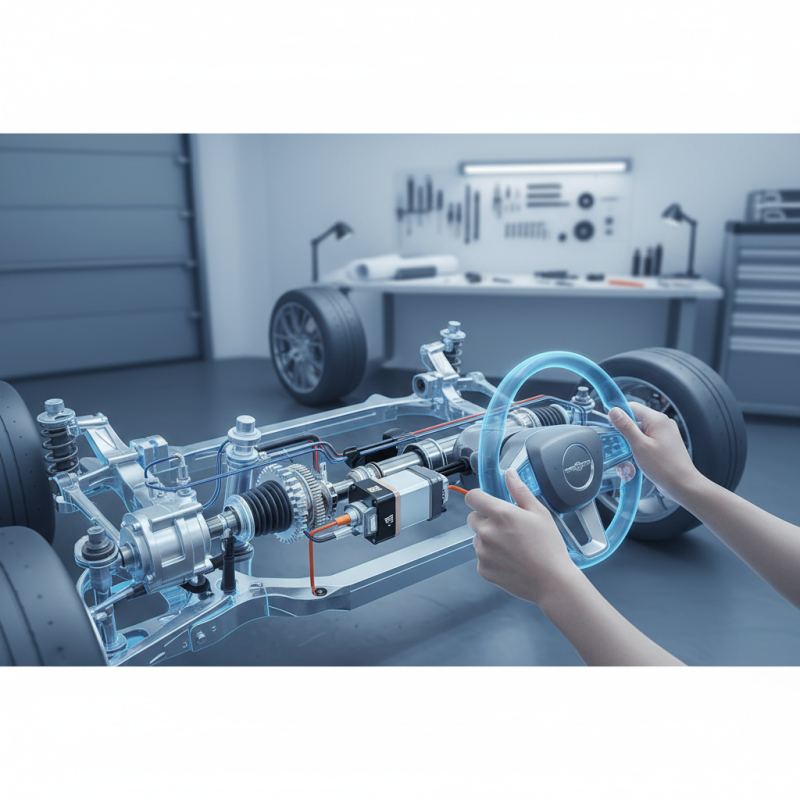
Understanding the Different Types of Steering Systems Available
When selecting the right steering system for your vehicle, it's essential to understand the various types available, as each comes with its own advantages and characteristics. The three primary steering systems are mechanical, hydraulic, and electric power steering. Mechanical systems, often referred to as manual steering, rely entirely on the driver's input to direct the vehicle. This type is generally simpler and lighter, making it popular in smaller cars and racing vehicles. According to industry reports, mechanical steering systems are more efficient in terms of energy consumption, offering a direct connection between the steering wheel and the wheels for enhanced road feel and feedback.
On the other hand, hydraulic power steering uses a pump to assist the driver in turning the steering wheel, significantly reducing the effort required, especially at low speeds. Industry statistics show that about 60% of vehicles on the road utilize hydraulic steering due to its balance of responsiveness and comfort. However, as technology progresses, electric power steering (EPS) has gained traction, boasting benefits such as adjustable steering feel and reduced weight. EPS systems are estimated to be featured in around 40% of new vehicles, offering improved fuel efficiency and the potential for advanced driver-assistance features. Understanding these differences is crucial for vehicle owners seeking to optimize their driving experience for comfort and performance.
Understanding Different Types of Steering Systems Available
Evaluating Your Vehicle's Specifications and Performance Needs
When selecting a steering system for your vehicle, a thorough evaluation of your vehicle's specifications and performance needs is crucial. The steering system must be compatible with your vehicle's weight, size, and intended use. For instance, a report from the Society of Automotive Engineers highlights that vehicles weighing under 3,000 pounds often benefit from a lightweight manual steering system, which enhances driver engagement and responsiveness. Conversely, heavier vehicles, such as trucks or SUVs, typically require power-assisted systems to provide the necessary steering force without straining the driver.
Additionally, the type of driving you anticipate influences your steering system choice. For performance-oriented applications, such as racing or off-roading, a quick-ratio steering system can significantly improve handling and maneuverability. According to a recent market analysis, more than 50% of drivers in performance car segments prefer systems that offer precise feedback and a sporty feel, indicating a strong demand for tailored solutions that enhance driving experience. Thus, understanding both your vehicle's specifications and your personal driving preferences will lead you towards the most suitable steering system, ensuring both safety and satisfaction on the road.
Assessing Driving Conditions and Usage Scenarios
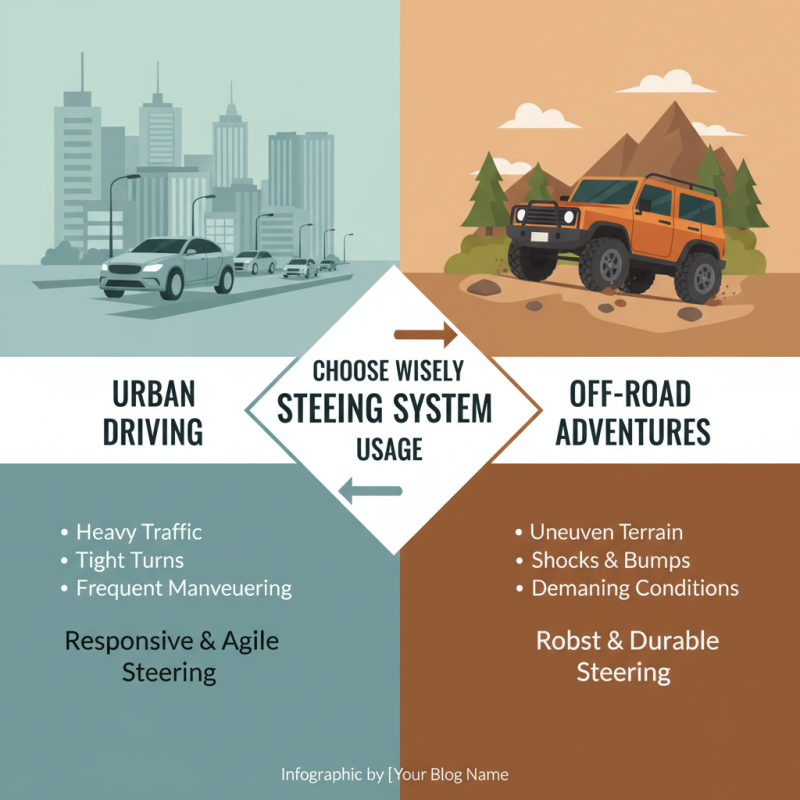
When choosing the right steering system for your vehicle, understanding your driving conditions and usage scenarios is crucial. Not all vehicles are subjected to the same environments, and your steering system should reflect the demands dictated by those conditions. For instance, if you frequently drive in urban areas with heavy traffic, a responsive and agile steering system will enhance maneuverability. Conversely, if your vehicle is often used for off-road adventures, a robust steering system designed to handle rugged terrains will be essential.
**Tips:** Evaluate your primary driving conditions—city streets, highways, or off-road—and consider how these scenarios affect your steering needs. For city driving, look for systems that provide a quick response, while off-road driving might benefit from systems that offer better durability and control over uneven surfaces.
Another factor to consider is how you plan to use your vehicle. Are you seeking a system for daily commuting, recreational use, or perhaps for towing? Each of these scenarios requires a different level of responsiveness and stability. A steering system with power assistance may be ideal for regular commuting, whereas a more traditional, manually-assisted system might be suitable for vehicles used in towing, where a more direct connection to the road is often preferred.
**Tips:** Assess your vehicle's primary function and analyze your personal comfort level with steering responsiveness. Understanding your specific requirements and driving style will help you make an informed decision on the best steering system for your vehicle.
Comparing Cost vs. Benefits of Various Steering Systems
When choosing the right steering system for your vehicle, understanding the balance between cost and benefits is paramount. Different steering systems, such as traditional hydraulic, electric power steering, and steer-by-wire technology, carry varying price points and performance metrics. Hydraulic systems tend to be more affordable, but they may lack the precise control offered by newer technologies. Electric power steering systems, although generally more expensive upfront, can provide improved fuel efficiency and enhanced driving comfort, making them a worthwhile investment in the long run.
Tips: When evaluating steering systems, consider your driving habits and the vehicle's purpose. For instance, electric systems can be particularly beneficial for urban driving, where maneuverability is essential. Additionally, factor in the long-term savings on maintenance and fuel costs that advanced systems can offer, which may justify their higher purchase price.
Another important aspect to weigh is the adaptability of the steering system. More advanced systems often allow for customization of steering sensitivity and response, which can enhance your driving experience. Assessing these features against their costs can help you make a well-informed decision. Always compare warranties and service options as well, as these can significantly affect the overall value of your investment.
Consulting with Professionals for Expert Recommendations
When it comes to selecting the right steering system for your vehicle, consulting with professionals can provide invaluable insight. Experts in the automotive field possess extensive knowledge about various steering technologies and the advantages of each. They can assess your specific vehicle needs, whether for standard driving, performance requirements, or off-road capabilities. By engaging with mechanics or automotive consultants, you can obtain tailored recommendations that consider the make, model, and intended use of your vehicle.
In addition to understanding the technical aspects, professionals can help you navigate the complexities of differing steering systems, such as power-assisted versus manual options. They can also guide you on important factors like responsiveness, ease of handling, and maintenance needs. By leveraging their expertise, you'll ensure that your choice aligns with not only your driving style but also your safety requirements. This collaborative approach enables you to feel more confident in your decision and ensures a greater level of satisfaction with your vehicle's performance.
How to Choose the Right Steering System for Your Vehicle
| Steering System Type |
Advantages |
Disadvantages |
Best For |
| Hydraulic Steering |
Smooth operation, good feedback |
Can be heavy, requires maintenance |
Heavy-duty vehicles, classic cars |
| Electric Steering |
Fuel efficient, adjustable settings |
Less responsive at high speeds |
Modern cars, compact vehicles |
| Rack and Pinion |
Compact design, quick response |
Not suited for heavy loads |
Small to mid-sized cars |
| Variable Ratio Steering |
Improves handling, better maneuverability |
More complex, potentially more expensive |
Performance cars, sports vehicles |