What is Engine Bearings and How Do They Work?
Engine bearings play a crucial role in the functionality of automotive engines. These components reduce friction between moving parts, ensuring smooth operation. Renowned automotive expert, Dr. James Hartman, states, "The efficiency of an engine greatly depends on the quality of its bearings." This highlights the importance of selecting the right engine bearings to maintain performance.
Understanding how engine bearings work involves delving into their design and materials. Each bearing supports a rotating part, such as the crankshaft or camshaft. They often consist of a soft material coated over a harder metal, which helps absorb shock and wear. Despite their significance, many overlook their maintenance. Neglect can lead to catastrophic engine failures, showcasing a gap in awareness among vehicle owners.
The subject of engine bearings is complex yet vital. Users need to grasp their function and care for them properly. Awareness can prevent costly repairs. Understanding engine bearings contributes to better vehicle longevity and performance. This knowledge can empower drivers when making informed decisions about their engines.
What Are Engine Bearings and Their Role in Engine Functionality?
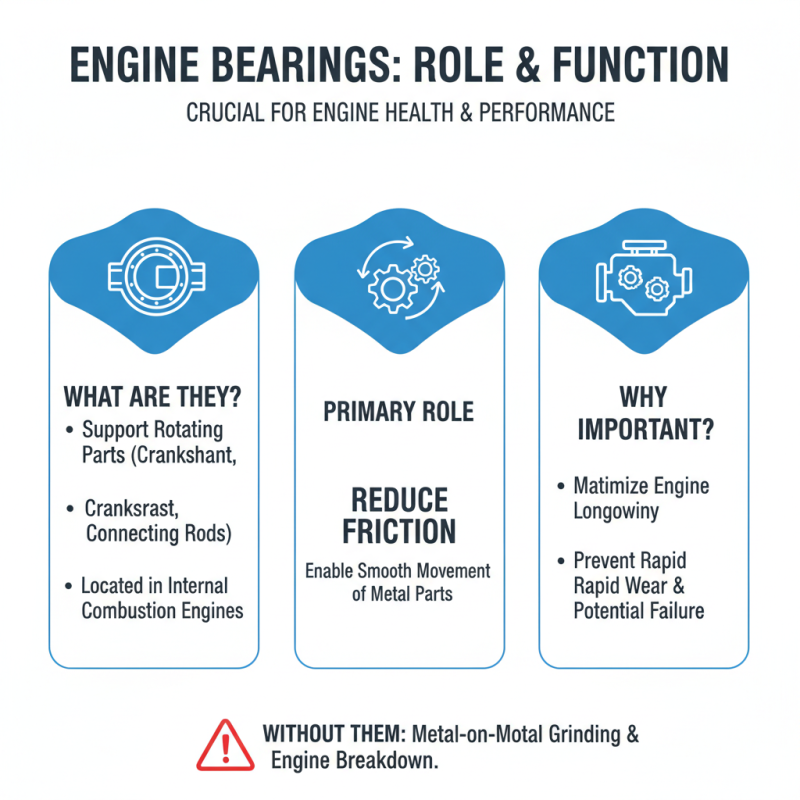
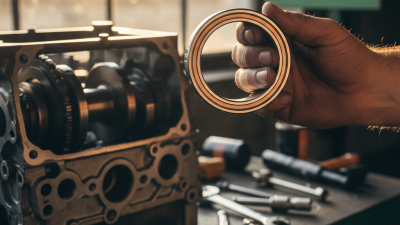
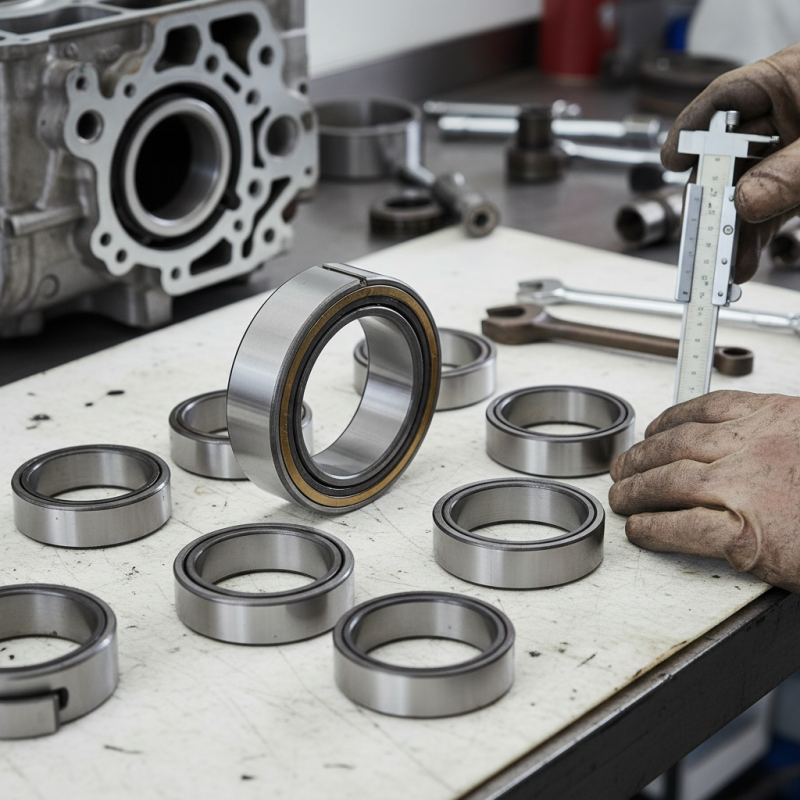
Engine bearings are crucial components within an internal combustion engine. They support rotating parts, such as the crankshaft and connecting rods. Engine bearings reduce friction, allowing smooth movement. This operation is essential for maximizing engine performance and longevity. Without them, metal parts would grind against each other, causing rapid wear and potential failure.
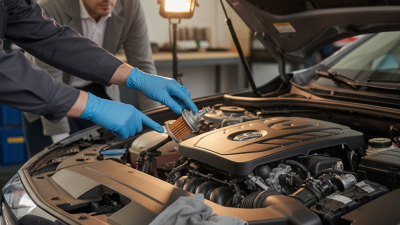
The role of engine bearings extends beyond mere support. They also help manage heat and distribute loads efficiently. Proper lubrication forms a thin film between the bearing and the moving parts. This film minimizes wear and tear while ensuring optimal operation. If bearings wear out, it can lead to serious issues like engine knocking or seizing. Regular inspection and maintenance are vital for longevity. Checking bearing wear can save costs in repairs later.
Experience with engine bearings reveals their complexity. While they seem simple, their role significantly impacts functionality. Misalignments or inadequate lubrication can cause problems. Even minor imperfections can lead to larger concerns down the line. Reflecting on this highlights the importance of proper installation and care. It's a nuanced balance that requires attention to detail.
Types of Engine Bearings: Main, Rod, and Camshaft Bearings Explained
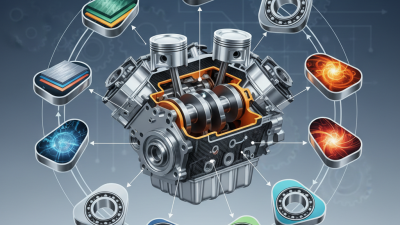
Engine bearings are crucial components in a vehicle's engine, supporting various moving parts. There are three main types: main bearings, rod bearings, and camshaft bearings. Each type serves a specific function and is designed to withstand different stresses. Understanding these components helps in maintaining engine health.
Main bearings support the crankshaft, allowing it to rotate smoothly. They are located between the crankshaft and the engine block. Their design must reduce friction and handle significant loads. Rod bearings connect the connecting rods to the crankshaft, facilitating the conversion of linear motion into rotational motion. The precision in their installation is critical for optimal performance.
Camshaft bearings play a vital role in engine timing and valve operation. These bearings ensure accurate movement of the camshaft, making them essential for engine efficiency. Improperly maintained bearings can lead to severe engine damage. Regular inspections and replacements are necessary. However, understanding the signs of wear can be challenging. Mechanics often need to rely on experience to diagnose issues effectively.
Key Materials Used in Engine Bearings and Their Properties
Engine bearings are essential components in internal combustion engines. Their primary function is to reduce friction between moving parts, ensuring smooth operation. The choice of materials for engine bearings significantly impacts their performance and longevity. A few key materials stand out for their unique properties.
Copper and lead alloys have historically been favored for engine bearings. These materials offer excellent wear resistance and good conformability. According to the Journal of Materials Science, copper-lead alloys can improve load capacity by 30% under high-stress conditions. However, the use of lead raises environmental concerns. Alternative materials like aluminum alloys and polymers are gaining traction. Aluminum bearings are lighter and offer lower thermal expansion, making them ideal for high-performance applications.
Another important consideration is the surface treatment of bearing materials. Surface coatings, such as polymer or ceramic treatments, enhance durability and reduce friction. A study published by the Society of Automotive Engineers indicates that incorporating advanced coatings can increase bearing lifespan by 20-50%. Still, these innovations often come at a higher cost. Balancing performance and expense remains a challenge within the industry. As technology evolves, selecting the right material becomes increasingly complex. Each option necessitates a careful evaluation of the specific application requirements.
What is Engine Bearings and How Do They Work? - Key Materials Used in Engine Bearings and Their Properties
| Material |
Properties |
Applications |
| Lead |
Excellent corrosion resistance, good load-bearing capacity |
Used in older engine designs, primarily for cast-iron blocks |
| Copper |
High thermal conductivity, good fatigue resistance |
Used in performance engine bearings for improved heat dissipation |
| Aluminum |
Lightweight, good wear resistance, and low friction |
Commonly used in modern engine bearings for various applications |
| Tin |
Excellent anti-wear properties, low friction |
Utilized in high-performance and automotive applications |
| Bronze |
High strength, good wear resistance |
Used in heavy machinery and high-load applications |
How Engine Bearings Reduce Friction and Improve Performance
Engine bearings play a crucial role in vehicle performance. They support rotating components, like crankshafts, ensuring smooth movement. This support reduces friction, which can significantly impact engine efficiency. With lower friction, engines can operate at higher speeds while generating less heat, leading to improved durability.
Friction is the enemy of efficiency. Engine bearings use a thin layer of lubricant to create a barrier between moving parts. This minimizes direct contact and wear. High-quality materials, such as metals and polymers, enhance performance. However, improper bearing installation or selection can lead to issues, like increased friction and premature wear, causing failures.
The design of engine bearings also matters. Some feature grooves to help distribute oil more evenly. Others are made to accommodate specific loads. Challenges arise when balancing performance with cost. In cheaper options, quality may suffer, leading to higher friction levels. Regular maintenance and careful selection can mitigate these risks, ensuring optimal engine performance over time.
Common Issues with Engine Bearings: Causes and Preventative Measures
Engine bearings are critical components in an internal combustion engine. They provide a smooth surface for the crankshaft and connecting rods to rotate freely. However, common issues can arise, affecting performance and longevity. One major problem is wear and tear, often caused by inadequate lubrication. Studies indicate that approximately 25% of engine failures are linked to bearing issues, primarily due to oil starvation or contamination.
Another significant concern is overheating. Excessive temperatures can lead to the failure of the bearing material. A report from the Society of Automotive Engineers reveals that high operating temperatures can reduce bearing life by up to 50%. Regular oil changes and monitoring coolant levels can be effective preventative measures. Maintaining proper oil viscosity is also essential to ensure adequate lubrication and cooling.
Understanding these issues is important for vehicle maintenance. Awareness of the signs of bearing wear, like unusual noises or metal shavings in oil, can prevent costly repairs. Investing in quality oil and conducting regular inspections are practical steps. Ultimately, recognizing the symptoms and causes can enhance engine reliability and performance.