10 Essential Tips for Choosing the Right Automotive Parts for Your Vehicle
Choosing the right automotive parts for your vehicle is crucial for maintaining optimal performance, ensuring safety, and extending the lifespan of your car. With a multitude of options available in the market, selecting the most suitable automotive parts can be a daunting task. Whether you are a seasoned mechanic or a car owner looking to perform DIY repairs, understanding the key factors that influence your choices is essential.
In this guide, we will explore ten essential tips that will help you make informed decisions when selecting automotive parts. From recognizing the importance of compatibility and quality to considering cost-effectiveness and sourcing reputable suppliers, these tips are designed to equip you with the knowledge necessary for a successful selection process. By following these guidelines, you can ensure that your vehicle is equipped with the right automotive parts to maintain its efficiency and reliability on the road.

Understanding Your Vehicle's Specific Parts Requirements
When it comes to selecting the right automotive parts for your vehicle, understanding the specific requirements of your car is paramount. Each vehicle model has unique specifications, which can include dimensions, compatibility, and performance standards. According to a report by the Automotive Aftermarket Industry Association, the U.S. automotive parts market reached nearly $430 billion in 2022, highlighting the vast range of options available. Making informed choices hinges on comprehending your vehicle's needs, which can prevent costly mistakes and ensure optimal performance.
To accurately assess your vehicle's parts requirements, refer to the owner's manual that outlines necessary specifications and recommended components. Additionally, utilizing diagnostic tools can provide essential insights into your vehicle's current performance and part conditions. A study published in the Journal of Automotive Engineering indicated that vehicles with parts that meet their specific requirements experience a 15% increase in efficiency. Therefore, being meticulous about selecting parts that align with your vehicle’s characteristics is not only crucial for functionality but also for enhancing overall efficiency and safety on the road.
10 Essential Tips for Choosing the Right Automotive Parts for Your Vehicle
This chart illustrates the importance of various factors to consider when choosing automotive parts, based on a survey of car owners.
Researching Quality and Trusted Automotive Parts Brands
When it comes to selecting automotive parts, the significance of researching quality and trusted brands cannot be overstated. According to a 2021 report by the Automotive Aftermarket Suppliers Association (AASA), over 70% of consumers indicate that brand trust significantly influences their purchasing decisions regarding automotive components. This underscores the importance of not only finding parts that fit your vehicle but also ensuring they come from reputable manufacturers known for their commitment to quality.
To decide on reliable brands, it is prudent to evaluate industry certifications and standards compliance. For instance, components that meet international standards, such as ISO 9001 for quality management, often provide an assurance of reliability and performance. Furthermore, a study by the Automotive Parts Market Research Group revealed that parts from trusted brands typically demonstrate a lower failure rate—by as much as 30%—compared to generic or less known alternatives. As such, investing time in research and choosing parts from established manufacturers can be a wise decision for ensuring safety and longevity for your vehicle.
Evaluating Compatibility with Your Vehicle's Make and Model
When selecting automotive parts, one of the crucial factors to consider is compatibility with your vehicle's specific make and model. According to a report by the Automotive Aftermarket Industry Association (AAIA), over 70% of vehicle owners experience issues related to the incorrect installation of parts primarily due to compatibility mismatches. This emphasizes the importance of thorough research before making a purchase. Vehicle specifications, such as the year, make, model, and engine type, should be meticulously checked to ensure that the parts will function correctly and safely.
Additionally, utilizing resources such as VIN (Vehicle Identification Number) decoders can greatly assist in identifying the correct parts. Data from the Motor & Equipment Manufacturers Association (MEMA) indicates that vehicles built after 2000 have become increasingly complex, with variations in parts even across different trims of the same model. By confirming part compatibility through VINs and detailed specifications, consumers can mitigate the risks of purchasing unsuitable components that may compromise vehicle performance and safety.
Investing time in this initial evaluation can save both time and money in the long run, ensuring a seamless repair or upgrade experience.
Considering OEM vs. Aftermarket Parts: Pros and Cons
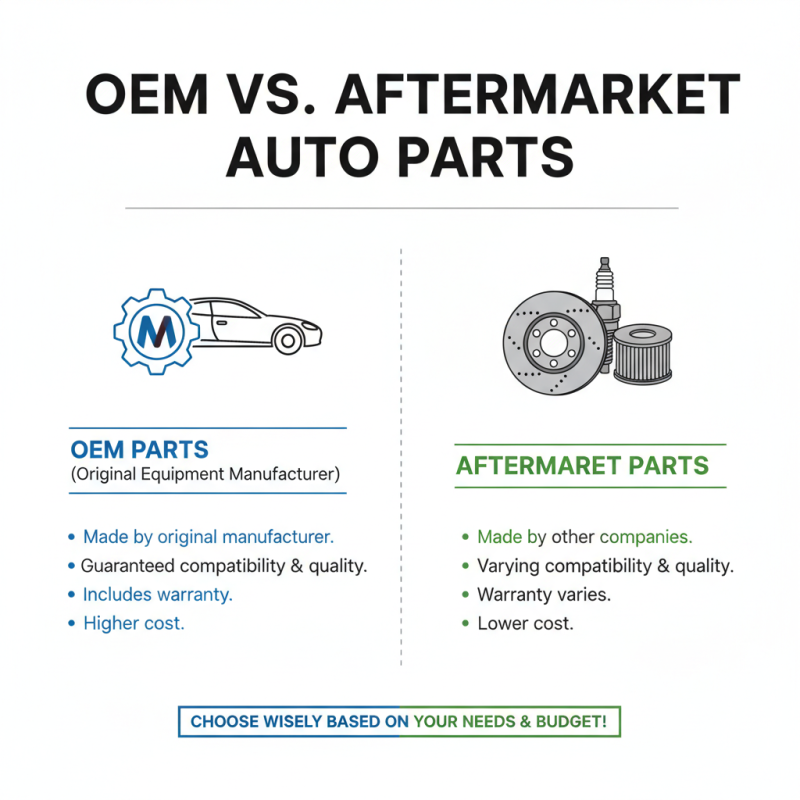
When it comes to choosing automotive parts, one of the crucial decisions you'll face is whether to opt for OEM (Original Equipment Manufacturer) parts or aftermarket parts. OEM parts are made by the same manufacturer that produced the original parts for your vehicle, ensuring compatibility and quality. These parts often come with a warranty, giving you peace of mind regarding their performance. However, OEM parts can be more expensive, which is a significant consideration for many vehicle owners.
On the other hand, aftermarket parts are produced by third-party manufacturers and can offer a wider range of choices at usually lower prices. Many of these parts are designed to meet or exceed the standards set by OEM parts, making them a viable option for many repairs. However, the quality can vary greatly among manufacturers, and not all aftermarket parts may fit your vehicle perfectly. Additionally, using non-OEM parts might void warranties on certain vehicles. Therefore, it's essential to research and weigh the benefits and drawbacks of both options carefully to ensure that your choice aligns with your vehicle's needs and your budget.
Budgeting for Automotive Parts: Cost vs. Quality Analysis
When budgeting for automotive parts, it’s essential to strike the right balance between cost and quality. Cheaper parts may seem appealing, but they often come with hidden costs in the form of frequent repairs or early replacements. Investing in higher quality components can lead to improved performance and longevity for your vehicle. Consider the long-term expenses associated with low-cost parts and weigh them against the upfront investment in quality alternatives.
One important tip when choosing parts is to research reliable sources and read customer reviews. This can help identify brands that offer the best combination of price and performance. Additionally, it’s wise to consult with professionals or mechanics who can provide insights into which parts deliver excellent value for your money and guide you toward making informed decisions.
Another strategy is to take advantage of seasonal sales and promotions, which can be a great way to acquire high-quality parts at discounted prices. Planning ahead for necessary replacements and keeping an eye out for deals can enhance your budgeting efforts and ultimately lead to savings without sacrificing quality. By being proactive and informed, you can ensure that your vehicle runs smoothly while staying within your financial limits.