2026 How to Choose the Best Brake Parts for Your Vehicle?
Choosing the right brake parts for your vehicle is essential. Reliable brakes ensure safety on the road. Poor choices can lead to accidents and costly repairs. Every vehicle is unique, and so are its braking needs. Understanding these needs is not just for car enthusiasts; it's for all drivers.
Brake parts come in various types, from pads to rotors. Each component plays a critical role in your vehicle's braking system. It's crucial to consider factors like performance and compatibility. Some drivers may overlook quality for cost. This can result in performance issues down the line. Investing in high-quality brake parts can save money in the long run.
When selecting brake parts, it's vital to seek expert advice. Researching brands and reading reviews can guide your decision. Make sure to prioritize safety and durability over temporary savings. Remember, your brakes are not just components; they are your key to safe driving. Take your time in this crucial choice. It can make all the difference.
Understanding Your Vehicle's Brake System Components
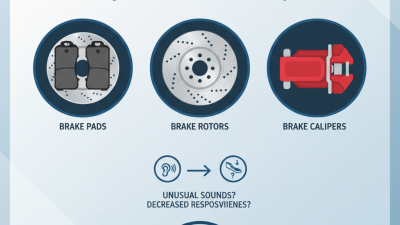
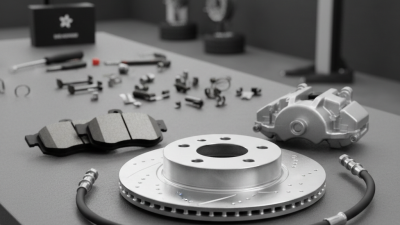
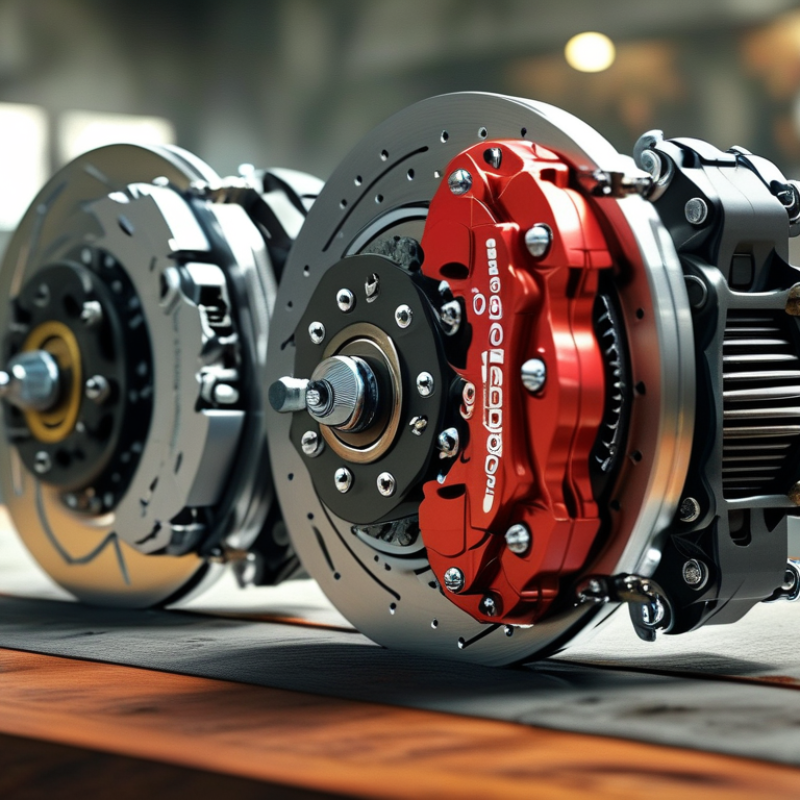
Understanding your vehicle's brake system components is crucial for safety. The brake system consists of several key parts: brake pads, rotors, calipers, and brake fluid. Each part plays a significant role in efficient braking.
According to industry reports, worn brake pads can lead to an 80% increase in stopping distance. This statistic highlights the importance of regular inspection and maintenance.
Brake pads compress against rotors to create friction. Over time, they wear down and lose effectiveness. It's advisable to check brake pads every 10,000 miles. If they appear thin, it's time for replacement. Rotors can warp due to heat, impacting performance.
A study showed that warped rotors can cause uneven braking, leading to longer stopping distances.
Calipers hold the brake pads and apply pressure to the rotors. They may leak brake fluid if damaged. Leaking fluid can cause brake failure, creating serious safety risks. Regularly checking your brake fluid level is essential.
Keeping your brake system fluid can prevent bigger issues down the line. Understanding these components enhances your ability to choose the right brake parts for your vehicle.
Identifying Common Signs of Brake Wear and Failure
Brake wear can be subtle, but it often gives clear signs. Listen for unusual noises like screeching or grinding when you brake. These sounds indicate that your brake pads may be worn down. If you notice a high-pitched squeal, it might be time for a replacement. Likewise, a grinding noise usually signals that the pads are gone, putting the rotors at risk.
Vibrations during braking can also indicate problems. If your steering wheel shakes when you apply the brakes, it suggests uneven wear on the rotors. This could lead to further damage if ignored. Pulling to one side when braking is another sign of trouble. It often means that one brake is more effective than the other, which can compromise safety.
Lastly, brake fluid leaks are a serious concern. If you find fluid under your vehicle, it’s crucial to inspect your brake system. Low brake fluid can lead to brake failure. Keeping an eye out for these signs can save you from costly repairs and enhance safety on the road. Pay attention and act promptly if you notice these warning indicators. Your vehicle's braking system is essential for safe driving.
Factors to Consider When Selecting Brake Parts
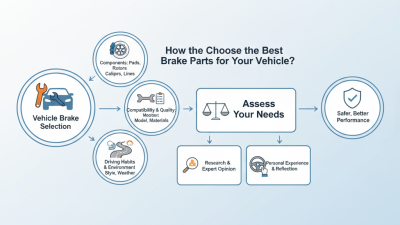
Choosing the right brake parts is crucial for your vehicle's safety. Several factors influence this decision. One key aspect is compatibility. Ensure the parts fit your vehicle model perfectly. Mismatched components can lead to poor performance.
Quality is another vital consideration. Look for reliable materials that can withstand heat and pressure. Low-quality parts may wear out quickly, affecting braking efficiency. Also, think about performance needs. Different driving conditions demand different types of brake parts. Heavy traffic may require high-friction materials, while off-road driving might need durable options.
Don’t forget about installation. Some parts are easier to install than others. If you’re not a skilled mechanic, consider seeking professional help. Take time to investigate all options before making a choice. Each decision can significantly affect your safety on the road. Always reflect on past experiences with brake parts to guide your current selections.
Comparing Brake Types: Disc vs. Drum Brakes
When choosing brake parts, understanding the differences between
disc and drum brakes
is essential. According to a report from the Brake Manufacturers Council,
disc brakes generally offer improved stopping power and better heat dissipation than drum brakes.
This makes them a popular choice for modern vehicles, especially performance cars.
However, drum brakes are still widely used in rear applications, primarily for economy vehicles
due to their lower production costs and adequate performance in lower-speed conditions.
Disc brakes feature a flat rotor, which allows for more efficient heat management.
This design helps to prevent brake fade, a common issue during heavy braking.
On the other hand, drum brakes utilize a cylindrical mechanism that can be less responsive
but offers effective stopping power under normal driving conditions.
It’s crucial to consider your driving habits
and vehicle type when making a decision.
Tip: For city driving, disc brakes may be the better choice,
while drum brakes can suffice for light use.
Research suggests that nearly 70%
of vehicles in operation still use drum brakes on the rear axle. Knowing this can influence
your investment in brake maintenance. While drum brakes can last longer in some scenarios,
they may require more frequent adjustments. Always check for any wear and tear,
as outdated technology could affect safety.
Tip: Regular inspections help maintain brake efficiency.
Ensuring Compatibility: Matching Parts with Your Vehicle Model
When choosing brake parts, ensuring compatibility with your vehicle model is crucial. Each car has specific requirements based on its make and model. Selecting the right parts can improve both performance and safety. Always refer to your vehicle's manual for precise specifications. This critical step can save you from future headaches and costly mistakes.
Tip: Check the part numbers provided in your manual. Different models may use different sizes or types of brake pads. It’s easy to overlook this detail. Don’t rush; thorough research pays off.
Another aspect to consider is the environment. For instance, off-road vehicles may need heavier-duty brakes than those designed for city driving. Think about how you drive and where you spend most of your time.
Tip: Look for user reviews or forums related to your vehicle. Existing customers often share insights about their experiences. Their stories can guide you toward better choices. Taking shortcuts in this process can lead to issues down the road. Ensure the brakes you select match your driving needs for optimal performance.