How to Choose the Best Car Tools for Your Needs?
Choosing the best car tools begins with understanding the work, not filling a toolbox. A weekend oil change needs different equipment than brake repairs, electrical testing, or engine rebuilding. The right car tools should match your vehicle, skill level, workspace, and repair goals. A compact socket set may be enough for basic maintenance, while a torque wrench becomes essential when fastener accuracy affects safety.
Automotive repair educator EricTheCarGuy, also known as Eric Cook, often emphasizes, “The right tool makes the job easier.” That principle remains practical in real garages. A ratchet with a comfortable grip can reduce hand fatigue. A bright inspection light can reveal a leaking hose behind the engine. A quality multimeter can prevent guesswork during battery and wiring checks. Reliability matters more than impressive packaging. Cheap tools may appear affordable, but rounded edges, weak handles, and inaccurate readings can create expensive problems.
Think carefully.
However, choosing car tools is not always perfect. Brand reputation helps, but it cannot replace correct specifications or responsible use. Some premium tools may exceed a beginner’s needs. Some inexpensive tools perform well for occasional repairs. I have also learned that tool organization is easy to underestimate. A missing socket can interrupt an otherwise simple job. This guide will examine tool types, materials, safety features, storage options, and long-term value. It will also question common buying habits, because the most expensive toolbox is not automatically the most useful one.

Define Your Car Maintenance and Repair Needs
How to Choose the Best Car Tools for Your Needs?
Define your car maintenance and repair needs before buying any tool. Check your vehicle’s service manual and list the jobs you expect to perform. Oil changes may require a drain pan, filter wrench, socket set, and protective gloves. Brake work often needs a torque wrench, jack stands, a brake tool, and a reliable light. Electrical problems may require a multimeter, test leads, and patience. Do not rely on a large toolbox alone. The correct tool must fit the fastener and the repair.
My own tool choices improved after I tracked repeated repairs. I once bought a specialized tool for a job I rarely performed. It stayed unused for years. That mistake taught me to prioritize frequency, access, and safety. Choose durable measuring tools for work where accuracy matters. A torque wrench is useful only when set and stored correctly. Always support a raised vehicle with approved stands, never with a jack alone. If a repair involves unfamiliar systems, consult a qualified technician.
Tips: Write down your vehicle model, repair goals, and tool sizes before shopping. Start with tools for common maintenance. Borrow or rent uncommon equipment when practical. Check each tool for damage before use. Keep sockets organized, because missing one size can turn a short repair into a frustrating delay. Leave room for learning. Mistakes happen, but rushed work can create expensive damage.
Match Tool Types to Your Vehicle and Skill Level
Choosing car tools starts with the vehicle, not the toolbox. The 2024 Auto Care Association Factbook reports that the average U.S. vehicle age reached about 12.6 years. Older vehicles often need rust-resistant sockets, penetrating oil, a multimeter, and a reliable torque wrench. A compact hatchback may require metric sockets, while some imported vehicles use unusual fastener sizes. Check the owner’s manual before buying.
Match complexity to your experience. Beginners can safely handle tire pressure checks, battery testing, fluid inspection, and filter replacement. Choose tools with clear scales and comfortable grips. An entry-level diagnostic scanner can reveal basic fault codes, but it cannot replace testing knowledge. I once trusted a code too quickly and replaced a healthy sensor. That mistake was expensive.
More experienced owners may need a digital torque wrench, trim tools, compression tester, or bidirectional scan equipment. A heavy pickup demands stronger lifting equipment than a small sedan. Electric and hybrid vehicles require insulated tools and documented high-voltage procedures; inexperienced owners should use qualified technicians instead. S&P Global Mobility also reported more than 286 million vehicles in operation in the United States during 2024, showing why tool needs vary widely. Buy slowly. A cheap jack or poorly fitting socket can damage parts and create real safety risks.
Build a Practical Car Tool Kit Within Your Budget
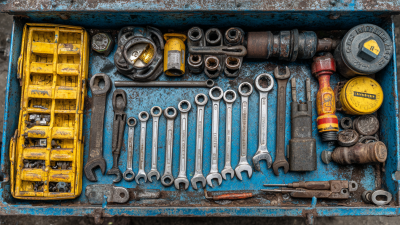
Building a practical car tool kit does not require filling an entire garage. Start with tools that match your vehicle and your repair experience. A metric socket set, combination wrenches, screwdrivers, pliers, and a reliable flashlight handle many routine jobs. Add a tire pressure gauge and a sturdy jack stand for basic maintenance. Never rely on a jack alone.
Set your budget before shopping. Spend more on tools that affect safety or accuracy, such as a torque wrench, jack stands, and insulated work lights. Choose durable materials, clear measurement markings, and comfortable grips. A cheaper tool can be sensible for occasional use, but damaged ratchets and loose sockets waste money quickly. Check the vehicle manual for correct socket sizes and tightening specifications.
I once bought a large set with tools I rarely touched. It looked efficient, but several pieces stayed unused for years. That mistake taught me to buy for real tasks, not impressive packaging. Keep a small tray near your work area, and record missing tools after each repair. Used tools may reduce costs, but inspect their teeth, handles, and calibration carefully. Calibration matters. Replace cracked tools immediately, even if the repair seems minor. Leave room in the budget for gloves, eye protection, absorbent cloths, and replacement parts. Your kit should grow from experience, not impulse.
How to Choose the Best Car Tools for Your Needs?
Build a practical car tool kit within your budget by prioritizing tools that cover routine maintenance, roadside problems, and basic diagnostics.
The estimated entry-level budget is approximately $365. Start with hand tools, tire equipment, and safety essentials, then add diagnostic and electrical tools as your repair needs grow. Actual prices vary by tool quality and local market.
Store, Maintain, and Upgrade Your Tools Efficiently
Choosing car tools becomes easier when you match them to real maintenance tasks. I keep a small core set: sockets, screwdrivers, pliers, a torque wrench, and a work light. Before buying, I check fastener sizes on my vehicle and the space around them. A compact tool may fit behind a cramped engine part. A large kit can waste money and drawer space. Tool quality matters, but perfect coverage is unrealistic. I once bought duplicate sockets and still missed one useful extension.
Store tools where dirt and moisture cannot reach them. A drawer organizer keeps sockets facing upward, so missing pieces are obvious. Wipe oily tools before storage, then inspect ratchets, handles, and cables. Replace damaged parts instead of forcing them during a repair. That habit protects both the tool and your hands. Maintain torque tools according to their instructions, and avoid leaving them under tension. Labels help, although mine sometimes peel off in a warm garage. Good storage reduces search time and makes maintenance less rushed.
Tips: Group tools by job, not only by shape. Keep emergency items in a separate pouch. Use a clean mat under small parts. Photograph drawer layouts before rearranging them. Upgrade only after repeated use reveals a limitation. A longer handle can improve reach, but it may also damage delicate fasteners. Check fit and control before adding leverage. After each project, note which tool slowed you down. That record is more reliable than impulse shopping.