How to Identify Car Engine Parts for Better Vehicle Maintenance?
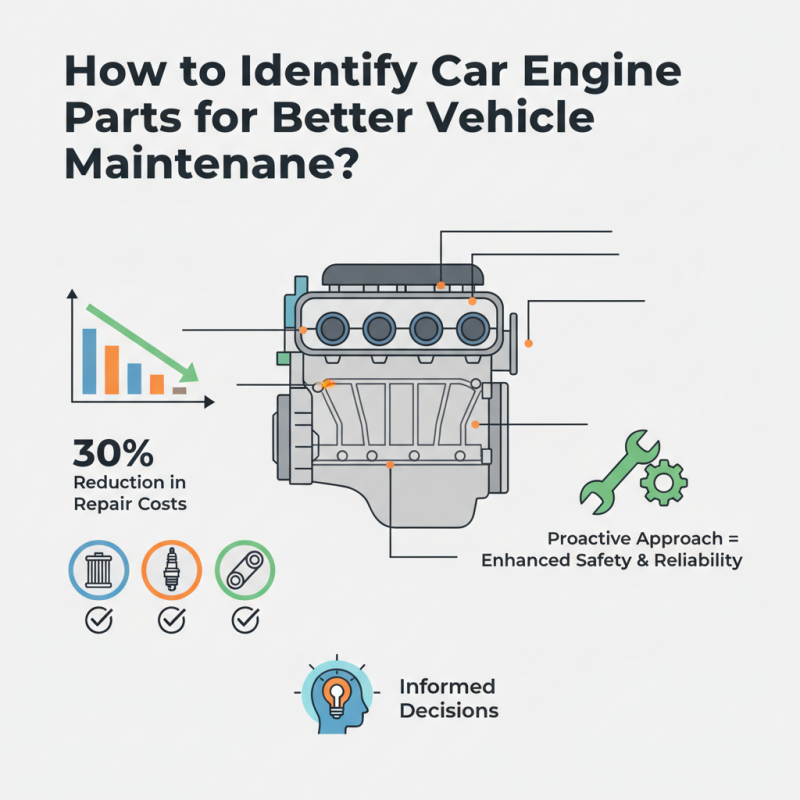
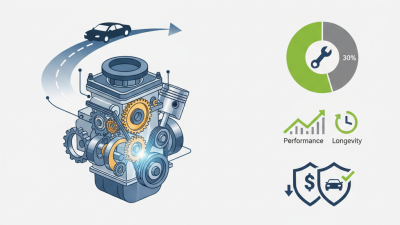
Understanding car engine parts is crucial for effective vehicle maintenance. According to a report by the Bureau of Automotive Repair, proper knowledge of engine components can reduce repair costs by up to 30%. Mechanics emphasize that regular inspections of car engine parts ensure longevity and optimal performance.
Many car owners lack awareness of these essential components. They might overlook simple checks, leading to significant issues down the line. Common engine parts like the oil filter, spark plugs, and timing belt require attention. Neglecting them can result in costly breakdowns.
By familiarizing yourself with car engine parts, you empower yourself to make informed maintenance decisions. This knowledge fosters a proactive approach, ultimately enhancing vehicle safety and reliability. Consider that each engine component plays a unique role. A small issue can escalate quickly if not addressed.
Understanding the Functionality of Car Engine Parts
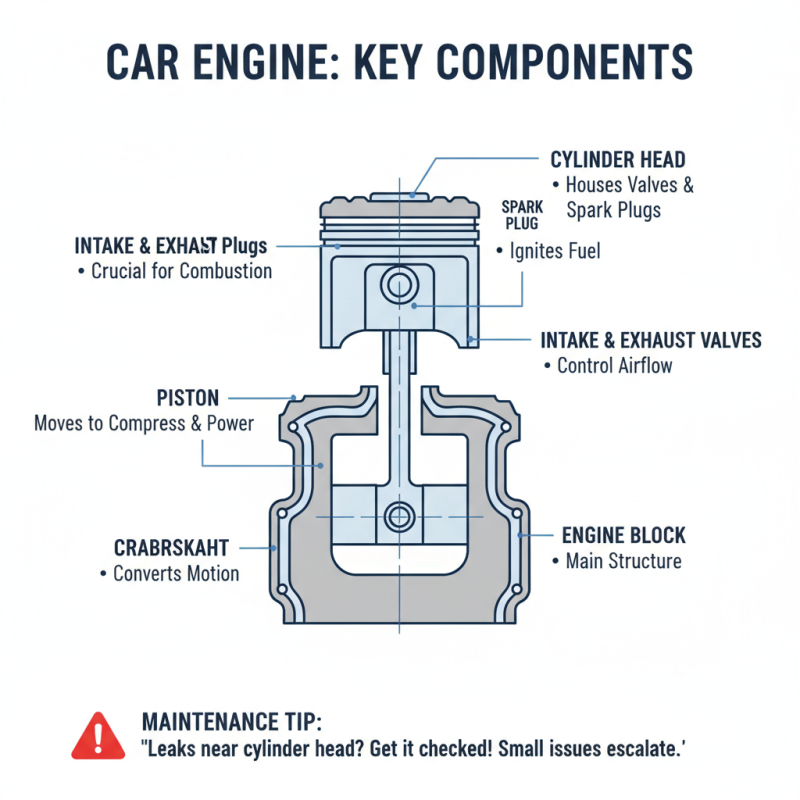
Understanding the various components of a car engine is essential for proper vehicle maintenance. Each part plays a unique role. The cylinder head, for example, houses the valves and spark plugs. It’s vital for combustion. Noticing any leaks around this area can signal issues. A small problem can lead to bigger ones if ignored.
The oil pan collects used oil. Regular checks are crucial. Low oil levels can cause severe engine damage. The timing belt controls the engine’s timing. If it wears out, it can lead to catastrophic failures. Many overlook this part until it’s too late.
Air filters are another critical element. They block dirt and debris. If not replaced, you might lose engine efficiency. Simple tasks, like checking fluid levels, can prevent costly repairs. Understanding these components can empower car owners. It enhances knowledge and reduces reliance on mechanics.
Common Engine Components and Their Identifying Features
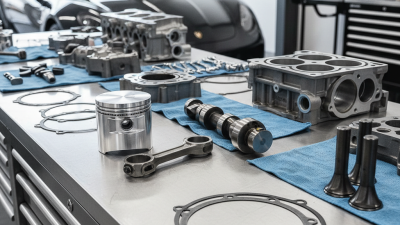
Identifying car engine parts is crucial for effective maintenance. Understanding engine components can save time and costs. Each part has distinct features that help in recognition. For instance, the spark plugs are small, cylindrical components located near the top of the engine. Typically, their metal body is shiny, and they have one or more protruding electrodes.
Another critical part is the intake manifold, which distributes air to the cylinders. It usually appears as a large, complex component made of aluminum or plastic. Look for its multiple tubes connecting to each cylinder. The fuel injectors, on the other hand, are slender nozzles that spray fuel into the combustion chamber. Their positioning near the intake valves is a key identifying feature.
Research shows that proper identification can enhance vehicle longevity. The Engine Technology Report from 2022 suggests that well-maintained engines can operate efficiently for up to 15% longer. However, many vehicle owners overlook basic parts. Neglecting the role of engine oil can lead to severe wear. Regular checks can prevent costly repairs down the line. Understanding these basics is imperative for any car owner.
Tools and Techniques for Identifying Engine Parts
Identifying car engine parts can be daunting for many. However, using the right tools and techniques simplifies the process. A good magnifying glass helps you examine small components closely. A digital camera can also be essential for documenting parts and their positions. This visual record makes reassembly easier.
Tips: Labeling parts during disassembly is vital. Use tape or zip bags. This prevents confusion when you reassemble your engine. If something seems unclear, refer to online forums or repair manuals.
Using a multi-tool can be a game-changer. It provides various functionalities without needing multiple devices. A quality flashlight will help illuminate dark engine compartments. Remember, patience is essential. Mistakes happen. Reflect on what went wrong to avoid repeating them. The learning process is just as valuable as the end result.
Maintenance Tips for Each Engine Component
When maintaining a vehicle, understanding engine components is crucial. Regular inspections can increase longevity and performance. According to recent industry surveys, 70% of drivers neglect engine checks. A simple checklist can lead to significant improvements.
The engine oil acts as the lifeblood of your vehicle. Regularly check the oil level and replace it every 3,000 to 5,000 miles. Dirty oil can cause overheating and sludge buildup, affecting engine efficiency. Spark plugs are another vital component. Misfiring spark plugs can lead to poor fuel efficiency. They should be replaced every 30,000 miles to ensure optimal performance.
Don’t overlook the air filter. A clogged filter can restrict airflow, leading to reduced power. Experts suggest changing it every 12,000 miles. Also, inspect hoses for cracks or wear. These often go unnoticed but can lead to coolant leaks. Maintaining these components can prevent breakdowns and costly repairs. Regular maintenance not only enhances performance but also ensures safety on the road.
Signs of Wear and Tear: When to Replace Engine Parts
When monitoring your car’s engine, identifying signs of wear is crucial. Engine parts endure stress and heat. Over time, this leads to wear and tear. Listen for unusual noises. A ticking sound may indicate a problem with the valves. If you notice a grinding noise, it could mean the bearings are failing. These sounds shouldn’t be ignored.
Look for leaks. Oil stains under your vehicle can signal worn gaskets or seals. Coolant leaks may point to a cracked radiator. Both issues require immediate attention. Check belts for fraying or cracking. A worn belt can snap, leading to significant engine damage. Regular visual checks can save money down the line.
Check the engine oil regularly. Dark, thick oil means it’s time for a change. Low oil levels also indicate leaks or burns. If the check engine light is on, don’t delay in diagnosing the issue. Delays can lead to bigger problems. Addressing minor wear can prevent costly repairs later. Be proactive, not reactive. Your engine will thank you.