What is the Importance of Motor Parts in Vehicle Performance?
Motor parts play a crucial role in vehicle performance. They directly influence efficiency and reliability. According to the Automotive Aftermarket Industry Association, the global automotive parts market is expected to reach $1 trillion by 2025. This reflects the growing significance of quality motor parts in ensuring optimal vehicle operation.
High-quality motor parts enhance fuel efficiency and reduce emissions. A study by the U.S. Department of Energy indicates that maintaining optimal engine components can improve fuel economy by up to 15%. Furthermore, worn or inferior motor parts can lead to mechanical failures, causing safety hazards and costly repairs.
Engine performance also hinges on the proper function of these parts. For instance, timing belts and oil pumps are vital for maintaining engine health. Poor-quality parts can result in performance issues, leaving drivers frustrated and potentially stranded. Therefore, selecting the right motor parts is not simply a matter of preference but a necessity for vehicle longevity and driver safety.
What Role Do Engine Components Play in Vehicle Performance?
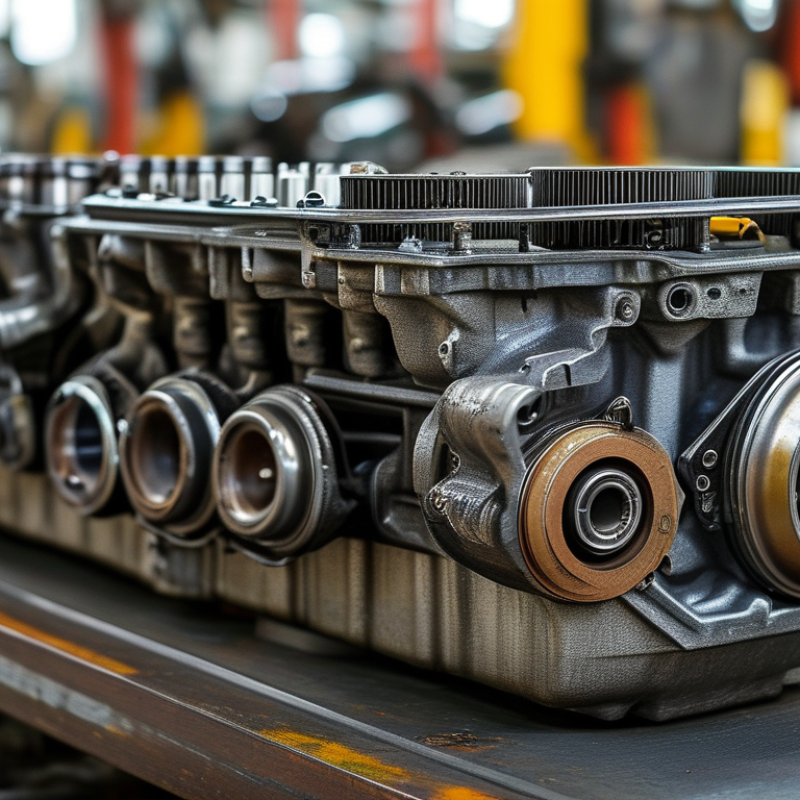
Engine components are vital for
vehicle performance. They directly influence how efficiently a vehicle operates under
various conditions. The engine serves as the heart of the vehicle, converting fuel into
motion. According to industry reports, vehicle performance can be affected by up to
60% based on the condition of its engine parts.
For instance, worn piston rings may cause increased oil consumption. This not only reduces
efficiency but also leads to higher emissions.
Moreover, turbochargers and intake systems play critical roles as well. A well-designed
intake system ensures optimal airflow, enhancing combustion. Research shows that improvements
in these areas can lead to a 10-15%
increase in horsepower. However, not every upgrade guarantees performance enhancement.
Misaligned components can result in reduced effectiveness.
Regular maintenance and timely replacement
of engine components are crucial. Neglecting these can lead to significant performance drops.
It's essential for vehicle owners to recognize the importance of these parts. Engaging with
experts during maintenance checks ensures that components aren't just replaced, but also
optimized for performance.
Impact of Transmission Systems on Accelerative Efficiency and Fuel Economy
The transmission system significantly influences a vehicle's accelerative efficiency and fuel economy. According to the U.S. Department of Energy, up to 30% of the fuel wasted in vehicles is due to inefficient power transfer. When a vehicle accelerates, the transmission must work effectively to convert engine power into motion. A smooth, well-functioning transmission minimizes energy loss.
Research by the International Council on Clean Transportation indicates that optimizing transmission ratios can lead to fuel savings of 10% or more. This highlights the importance of selecting the right transmission type and configuration for different vehicles. However, not all vehicles achieve peak performance. Some manufacturers still use outdated designs, leading to unnecessary fuel consumption and reduced efficiency.
Despite advancements in technology, many drivers experience delays in acceleration due to poor transmission responsiveness. This can result in a frustrating driving experience and increased fuel consumption. It's essential to reflect on these issues. Regular maintenance of the transmission system is necessary for optimal performance and fuel economy. Addressing these aspects can help drivers make better choices and improve their vehicle's overall efficiency.
Significance of Brake Systems for Safe and Responsive Driving
The brake system is crucial for vehicle safety and performance. It impacts how well a car responds during sudden stops. A reliable brake system can prevent accidents. However, many drivers overlook its significance until they face issues.
Regular inspections of brake components are essential. Brake pads, rotors, and fluid should be checked frequently. Worn pads can reduce stopping power. They may even cause damage to rotors. This can lead to costly repairs. Moreover, a lack of maintenance can result in brake failure. This situation can be dire, especially in emergency situations.
When someone experiences a brake issue, it often leads to panic. That stress can cloud judgment. Understanding how brakes work and the importance of their care can help. Safe driving hinges on functional brakes. Each driver should take ownership of their vehicle’s health. Prioritizing brake maintenance is not just smart—it’s essential for safety.
Importance of Motor Parts in Vehicle Performance
Significance of Brake Systems for Safe and Responsive Driving
Influence of Suspension Parts on Ride Quality and Vehicle Handling
Suspension parts play a crucial role in defining a vehicle's ride quality and handling. These components, including struts, shocks, and control arms, directly affect how a car responds to road conditions. According to a report by the Automotive Research Institute, vehicles with advanced suspension systems can improve ride comfort by up to 25%. This means a smoother drive, less fatigue for passengers, and potentially enhanced safety.
Handling is equally important. A study from the Vehicle Dynamics Association indicates that vehicles with optimized suspension can achieve a 30% better cornering performance. This improvement helps drivers maintain control during sharp turns and uneven surfaces. However, many drivers overlook the maintenance of these parts. Worn-out suspension can lead to compromised handling and ride quality, making routine checks essential.
Despite the clear benefits, many car owners underestimate the impact of suspension on overall performance. Some assume their vehicle’s suspension is fine as long as they do not hear any unusual noises. This misconception can lead to safety hazards and an uncomfortable driving experience. Regular inspections can catch issues early, allowing for timely repairs and more enjoyable rides.
Importance of Electrical Systems in Modern Vehicle Performance and Efficiency
Modern vehicles rely heavily on advanced electrical systems for optimal performance and efficiency. These systems manage everything from engine function to entertainment features. The intricate network of sensors and controllers enhances responsiveness and accuracy in driving. For instance, the engine control unit (ECU) adjusts fuel injection and ignition timing, ensuring the engine runs efficiently under different conditions.
Electrical systems also play a crucial role in safety features. Anti-lock braking systems (ABS) and electronic stability control (ESC) depend on real-time data from various sensors. This connectivity allows for quicker adjustments, improving vehicle stability and safety. However, as systems become more complex, potential for malfunctions increases. Diagnosing electrical issues can be challenging, often requiring specialized knowledge and tools.
Additionally, considering energy consumption is vital in the age of electric and hybrid vehicles. Efficient battery management systems facilitate optimal energy use, extending driving range. Yet, manufacturers face challenges in battery technology, impacting performance and sustainability. The push for innovation continues, highlighting the need for reliable electrical systems in modern vehicles.
What is the Importance of Motor Parts in Vehicle Performance?
| Motor Part |
Role in Vehicle Performance |
Impact on Efficiency |
Maintenance Tips |
| Engine |
The heart of the vehicle, providing power and performance. |
Directly influences fuel consumption and emissions. |
Regular oil changes and tune-ups. |
| Transmission |
Transfers engine power to wheels, affecting speed and acceleration. |
Optimizes torque and fuel economy. |
Check fluid levels and inspect for leaks. |
| Electrical System |
Supports all electronic components, affecting reliability and functionality. |
Crucial for optimal performance of modern vehicles. |
Inspect battery and connections regularly. |
| Brakes |
Essential for safety, affecting stopping distance and control. |
Directly affects the overall efficiency of vehicle operation. |
Replace pads and inspect systems regularly. |