What is a Steering System and How Does It Work?
A steering system is a crucial component of any vehicle. It allows the driver to navigate and control the direction of travel. Understanding how this system works can enhance our appreciation of automotive design.
The steering system comprises several parts, including the steering wheel, column, and rack. Each component plays a significant role in ensuring smooth and precise handling. For example, when a driver turns the steering wheel, it initiates a chain reaction. The steering column links the wheel to the mechanism that pivots the wheels. Such details are vital for maintaining control on various terrains.
However, the steering system is not flawless. It requires regular checks and maintenance to function correctly. Wear and tear can lead to issues, impacting safety. Drivers often overlook this aspect, which can lead to serious consequences. Recognizing the importance of a well-functioning steering system can prevent accidents. Understanding its mechanics allows for better care and ultimately ensures a safer driving experience.
What is a Steering System in Automotive Engineering?
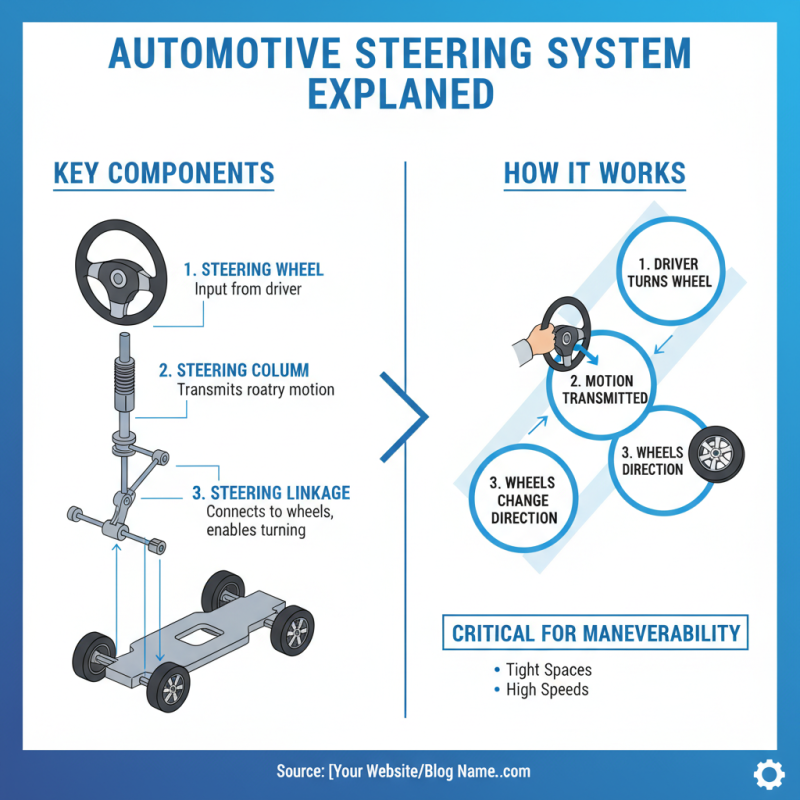
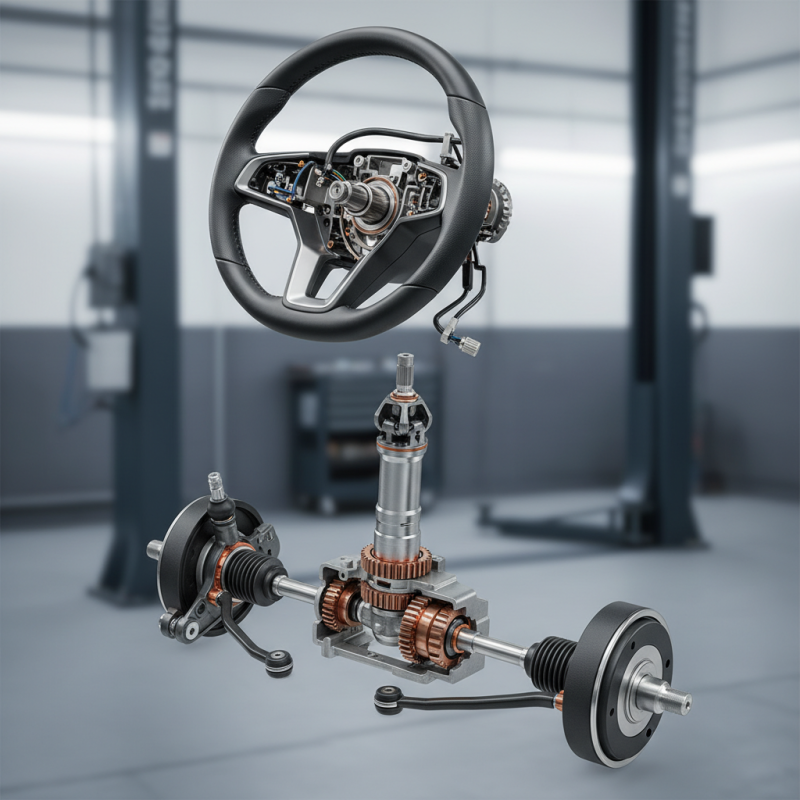
A steering system is essential in automotive engineering. It allows drivers to control the direction of their vehicle. This system consists of various components, including the steering wheel, steering column, and linkage. When a driver turns the wheel, the steering column moves, transmitting the motion to the wheels. This process is critical for maneuverability in tight spaces or at high speeds.
Modern steering systems can use hydraulic or electric power assistance. Hydraulic systems rely on fluid pressure, while electric systems use motors. Each has advantages and drawbacks. Hydraulic systems can provide a strong feel, but they may waste energy. Electric systems are more efficient but can sometimes lack feedback. Drivers may feel disconnected when using electric systems.
The design of the steering geometry also plays a role. It affects how the vehicle responds during turns. Misalignment can lead to uneven tire wear and decreased performance. Engineers must carefully analyze angles and pivot points. Many cars today feature advanced steering techniques, yet traditional problems persist. Continued innovation in this area is crucial for improving safety and handling.
Components of a Steering System and Their Functions
A steering system is crucial for vehicle control. Its main components work together to provide a smooth driving experience. The steering wheel allows the driver to navigate. This component connects to the steering column. The column transfers movements to the steering mechanism.
The rack and pinion is essential. It translates the circular motion of the wheel into linear motion. This converts force from the driver. The tie rods keep the wheels aligned. They connect the steering mechanism to each wheel. When the driver turns the wheel, the tie rods adjust the angle of the wheels.
**Tip:** Regularly check your steering fluid levels. Low fluid can lead to poor steering responses. Also, keep an eye on the wear of components. Worn tie rods can cause steering instability. Signs of wear include vibrations and unexpected play in the wheel. Always be mindful of these details to ensure safety.
How Steering Mechanisms Enable Vehicle Maneuverability
Steering mechanisms play a crucial role in vehicle maneuverability. They allow drivers to guide their vehicles effectively in different environments. Understanding how these systems work helps in appreciating their importance in daily driving.
In essence, the steering system translates the driver's input through the steering wheel into directional movement. This involves various components, like the steering column and rack-and-pinion system. When drivers turn the wheel, it activates these parts, helping the front wheels pivot. The responsiveness can vary, especially with different vehicle types or under unusual conditions. Sometimes, steering may feel unresponsive, which raises concerns about safety.
Each vehicle's steering mechanism is unique. Some systems are more responsive, while others may require more effort. The balance between comfort and control is delicate. Improper alignment can hinder performance. Regular maintenance is essential to ensure reliability. Issues like worn-out components can lead to unexpected difficulties. It's important to reflect on the quality of the steering, as it directly impacts driving confidence.
Vehicle Steering Mechanism Efficiency
This chart illustrates the efficiency of various steering mechanisms in vehicles, highlighting the performance of different types of systems used in modern transportation.
Types of Steering Systems: Rack and Pinion vs. Recirculating Ball
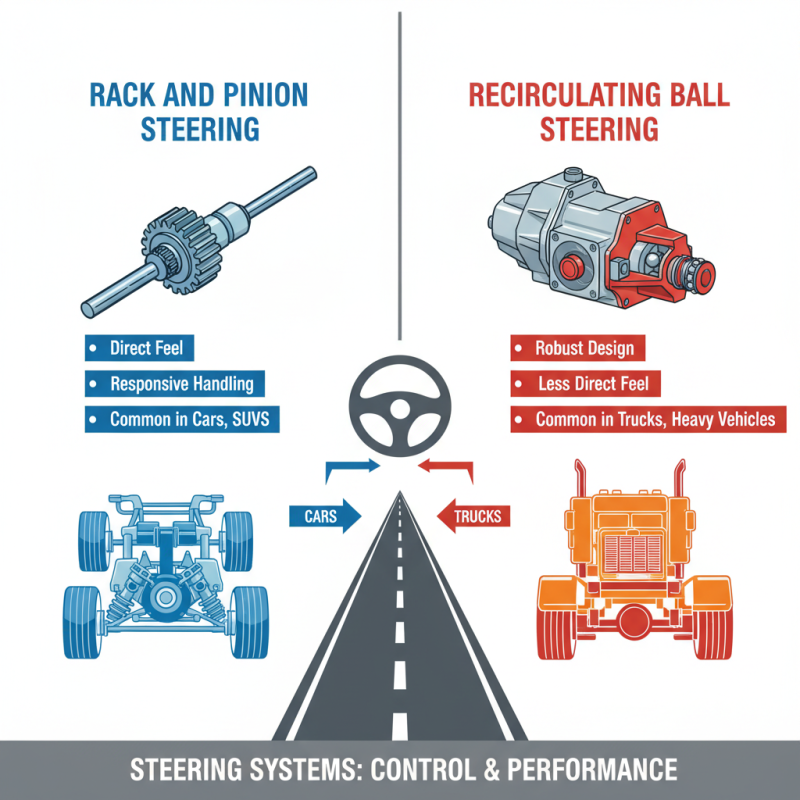
Steering systems are crucial for vehicle control. Two common types are rack and pinion and recirculating ball systems. Both have unique features that affect driving experience and performance.
Rack and pinion systems use a gear mechanism. This setup provides direct connection between the steering wheel and the tires. It usually offers better responsiveness. The design is simpler and lighter. However, it may lack some feel during low-speed maneuvers. This can lead to a disconnect for some drivers.
Recirculating ball systems, on the other hand, use a series of balls in a channel. This design allows for smoother operation and reduces friction. It often provides a more cushioned steering feel. Yet, this system can be bulkier and heavier. Drivers might notice less precision at higher speeds. Each system has pros and cons, reflecting different driving needs and preferences. Understanding these differences helps in choosing the right steering system.
Understanding Power Steering: Hydraulic vs. Electric Assist Systems
Power steering systems play a crucial role in modern vehicles. They assist drivers in steering with less effort. Two primary types of power steering are hydraulic and electric assist systems. Each has unique features and benefits.
Hydraulic power steering uses fluid pressure to help steer the vehicle. A pump, usually driven by the engine, creates this pressure. When the driver turns the wheel, fluid flows to the steering mechanism, making it easier to turn. This system is reliable, but it can be less efficient. It consumes power from the engine, which may slightly impact fuel economy.
Electric power steering, on the other hand, utilizes an electric motor to assist with steering. This system often provides more precise control. It's adjustable and can enhance driving comfort. However, the reliance on electronics could pose challenges if there are system failures. Sometimes it feels less connected to the road. Both systems have their pros and cons, making it essential to choose based on specific needs and preferences.
What is a Steering System and How Does It Work?
| Steering System Type |
Description |
Advantages |
Disadvantages |
Common Applications |
| Hydraulic Power Steering |
Uses fluid pressure to assist in steered vehicle movement. |
Offers a strong assist at low speeds; provides good feedback. |
Can consume more fuel; may require more maintenance. |
Most traditional vehicles, SUVs, and trucks. |
| Electric Power Steering |
Utilizes an electric motor to provide steering assistance. |
More energy-efficient; lighter; can be programmed for different driving modes. |
Less feedback compared to hydraulic; potential for software issues. |
Modern vehicles, electric cars, and hybrids. |
| Manual Steering |
Directly connects the steering wheel to the wheels without assist. |
Provides maximum driver feedback; simpler and lighter. |
Heavy steering effort; difficult to maneuver at low speeds. |
Older vehicles and some sports cars. |