Top 10 Car and Parts Suppliers in China for Global Buyers?
The automotive industry in China has become a powerhouse, significantly impacting global supply chains. Recent reports indicate that China's automotive market is projected to reach over $1 trillion by 2025, driven by an increasing demand for car and parts manufacturing. In 2022 alone, more than 26 million vehicles were produced, underscoring China's pivotal role in the global marketplace. This rapid growth reflects both opportunities and challenges for buyers.
Diverse suppliers in China offer a wide range of car and parts options. However, navigating this vast market requires discernment. Quality and reliability often vary among suppliers, and potential buyers must conduct thorough research. Industry experts suggest that establishing long-term relationships with trusted suppliers can mitigate risks. While many companies boast impressive capabilities, not all meet international standards.
Understanding this landscape is crucial for global buyers. The right insights into the top suppliers can enhance supply chain efficiency. However, buyers must remain vigilant and adaptable. Emphasizing both quality and cost-effectiveness is essential in this competitive arena. The dynamic nature of the market indicates continuous evolution, demanding proactive strategies from all stakeholders.

The Growing Importance of China in the Global Automotive Supply Chain
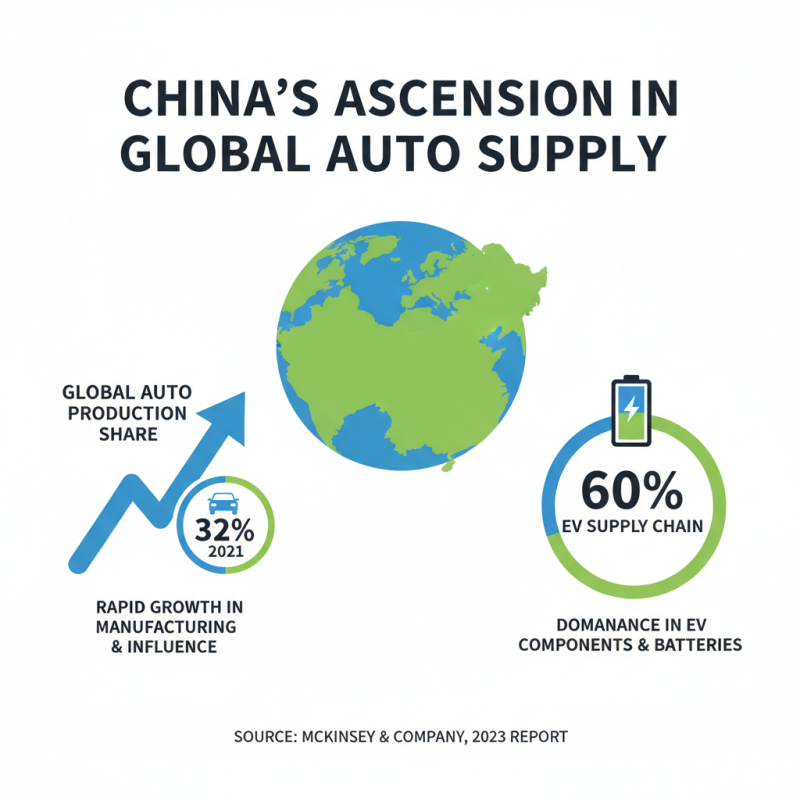
China's role in the global automotive supply chain has significantly expanded in recent years. By 2021, Chinese automotive production accounted for approximately 32% of the world’s total. This rapid growth not only highlights China's capabilities but also its increasing influence in global markets. A study by McKinsey indicates that the country is now home to about 60% of the world’s electric vehicle supply chain.
Chinese suppliers are becoming key players in various segments, including batteries, tires, and electronic components. According to a report from Deloitte, around 30% of global automotive parts are sourced from China. This shift attracts a diverse range of global buyers seeking cost-effective and innovative solutions. However, challenges remain. Issues such as supply chain disruptions and quality control need ongoing attention.
Assessing the reliability of suppliers is crucial. The volatility of the global market can also affect the consistency of supply. As China solidifies its status, global buyers must adapt their strategies to navigate these complexities. Establishing robust partnerships with local suppliers can mitigate risks. The future remains uncertain, yet China’s importance in the automotive supply chain is undeniable.
Key Factors Driving Success for Chinese Car and Parts Suppliers
Chinese car and parts suppliers are gaining attention from global buyers. A report by Statista indicates that China holds over 30% of the global automotive market share. This significant presence is driven by several key factors.
One major aspect is cost efficiency. Many Chinese manufacturers offer competitive pricing, which attracts international clients looking for affordable options.
Moreover, innovation plays a crucial role. Suppliers are investing heavily in research and development. According to McKinsey, more than 60% of Chinese companies are focused on electric and autonomous vehicle technology. This commitment to innovation helps them meet the evolving demands of the global market.
However, challenges remain. Quality control can vary significantly among suppliers. A lack of standardized quality measures in some regions can deter potential buyers. Thus, global clients must conduct thorough evaluations when selecting partners. Trust becomes a critical factor in these relationships, impacting long-term success. As the industry evolves, companies must reflect on their practices to maintain competitiveness.
Overview of the Top 10 Car and Parts Suppliers in China
China's automotive industry has rapidly evolved, becoming a global powerhouse for car and parts suppliers. According to a recent report by the China Association of Automobile Manufacturers, the nation produced over 25 million vehicles in 2022 alone. This surge has significantly increased the competitiveness of domestic suppliers. Key manufacturers are focused on innovation and quality, making them appealing to international buyers.
It's essential to consider the unique qualities of Chinese suppliers. Many offer a diverse range of products, from electric vehicle components to traditional engine parts. The adoption of new technologies, such as AI and IoT, enhances production efficiency. However, challenges remain. Issues like supply chain disruptions and varying quality standards must be addressed.
Tip: When sourcing from China, due diligence is crucial. Research supplier certifications and customer reviews to gauge reliability. Additionally, consider visiting trade shows to meet suppliers firsthand. Networking can yield valuable insights into the industry's best practices. Implementing quality control measures helps mitigate risks and ensure that products meet global standards.
Top 10 Car and Parts Suppliers in China for Global Buyers
| Supplier Type |
Headquarters Location |
Annual Revenue (Est.) |
Year Established |
Main Products |
| Automobile Manufacturer |
Shanghai |
$30 Billion |
1995 |
Sedans, SUVs |
| Parts Supplier |
Beijing |
$15 Billion |
1987 |
Brakes, Suspensions |
| Electric Vehicle Manufacturer |
Shenzhen |
$20 Billion |
2015 |
Electric Cars |
| Auto Parts Manufacturer |
Guangzhou |
$12 Billion |
1990 |
Engines, Transmissions |
| Motorcycle Manufacturer |
Hangzhou |
$5 Billion |
2000 |
Motorcycles, Scooters |
| Auto Electronics Supplier |
Suzhou |
$8 Billion |
1998 |
Infotainment Systems |
| Heavy Machinery Supplier |
Tianjin |
$10 Billion |
1992 |
Construction Vehicles |
| Tire Manufacturer |
Xiamen |
$7 Billion |
1995 |
Car Tires, Truck Tires |
| Battery Manufacturer |
Nanjing |
$6 Billion |
2006 |
Lithium-ion Batteries |
| Axle Manufacturer |
Wuhan |
$4 Billion |
1985 |
Axles, Drive Shafts |
Market Share and Revenue Analysis of Leading Chinese Suppliers
China's automotive industry is vast, with numerous suppliers catering to global markets. A few leading companies dominate the landscape. Their market share is significant, driven by quality and innovation. Revenue figures indicate a strong growth trajectory. However, navigating this market can be challenging for foreign buyers.
Tips: Conduct thorough research. Understand the local regulations. This knowledge can save time and money.
Many suppliers focus on sustainability. They invest in green technologies. Yet, some struggle to meet global standards. This can affect their credibility. Trust and reliability are crucial for partnerships. Buyers must remain vigilant and proactive.
Research local trade shows. Attend industry exhibitions. These events offer insights into supplier capabilities. Engaging directly can reveal more than just numbers. It fosters relationships that can lead to better deals and collaborations.
Challenges and Opportunities Facing Global Buyers in Sourcing from China
Sourcing automotive parts from China presents both challenges and opportunities for global buyers. The Chinese supplier network is vast, offering a diverse range of products. However, quality control is a major concern. Buyers often face issues with consistency and reliability. Without a solid quality assurance process, defects in parts may occur. This can lead to production delays and increased costs.
Communication barriers can also pose challenges. Language differences complicate negotiations and may result in misunderstandings. Buyers must invest time in fostering relationships. Understanding local business practices is crucial for effective collaboration. It is essential to research potential suppliers thoroughly. Verifying credentials helps to mitigate risks associated with sourcing.
Despite these challenges, the opportunities are significant. China offers competitive pricing and innovation. Many suppliers invest in advanced technology. This can lead to improved designs and efficiency. Global buyers can tap into this innovation by partnering with the right suppliers. However, identifying these suppliers requires diligence. Balancing cost and quality will enhance long-term benefits.
Top 10 Car and Parts Suppliers in China - Sourcing Insights