How to Troubleshoot Your Fuel System for Optimal Vehicle Performance?
Troubleshooting your fuel system is essential for peak vehicle performance. Many drivers overlook this critical aspect. However, a well-functioning fuel system can significantly enhance efficiency and power. Understanding its components is vital.
Fuel pumps, filters, and injectors work together to deliver the right amount of fuel. If any part fails, it can lead to rough idling or decreased acceleration. Signs of trouble often include unusual noises or stalling. Many people neglect these symptoms. They might assume it’s a minor issue, but it can escalate.
Regular checks can prevent costly repairs. Clean fuel filters and properly functioning pumps are keys to longevity. Yet, not all drivers know how to maintain these components. Some may find it challenging or confusing. A poorly maintained fuel system can affect your driving experience. You might wonder, is it time for a deeper inspection? Seeking professional help could be worthwhile.
Understanding the Fuel System Components and Their Functions
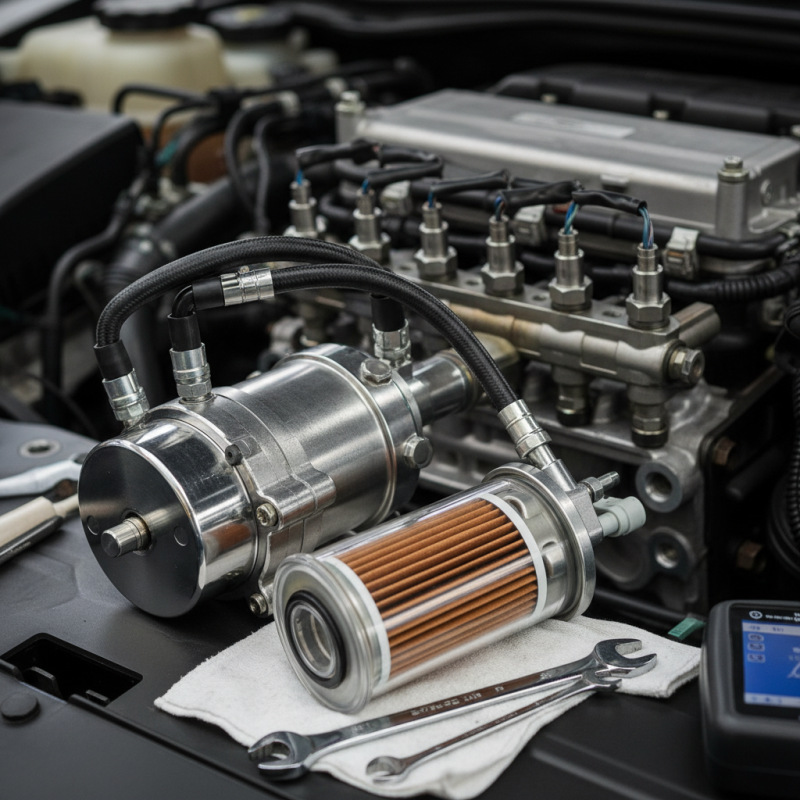
The fuel system is crucial for your vehicle's performance. It includes several components that work together. Understanding these parts can help you troubleshoot issues.
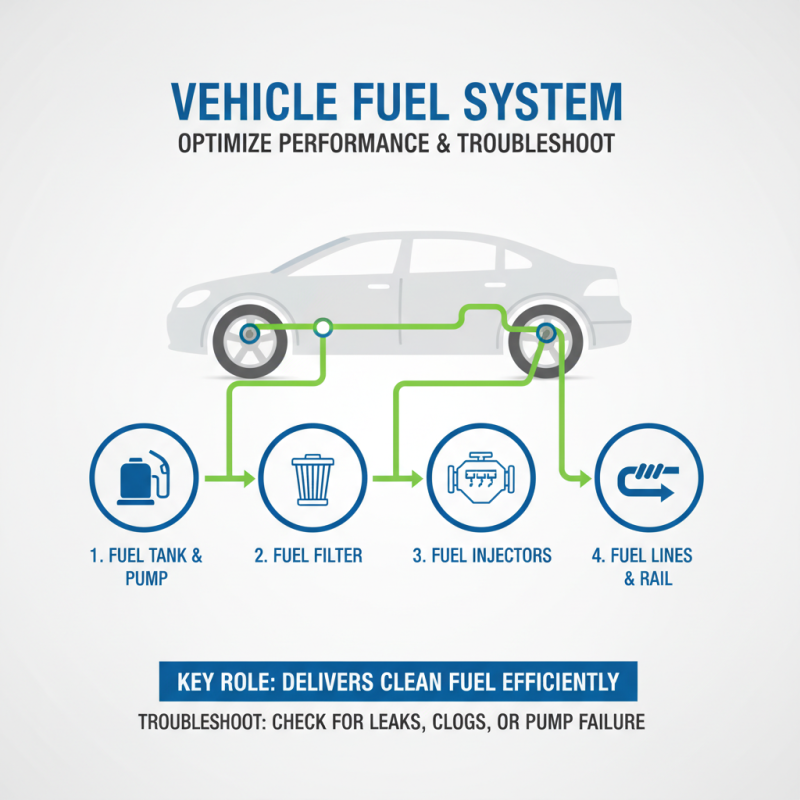
The fuel tank stores gasoline or diesel. It sends fuel to the fuel pump. The fuel pump then moves it to the fuel filter. The filter removes impurities that could harm the engine. After the filter, the fuel travels through the injectors or carburetor. These components ensure the right amount of fuel enters the engine for combustion.
Tips: Regularly check the fuel filter for clogs. A dirty filter can reduce fuel flow. It may even cause engine stalling. Don't underestimate the importance of the fuel pump. A failing pump can lead to inconsistent performance. Sometimes, simply cleaning the fuel injectors can boost efficiency.
There are signs to watch for. A rough idle or poor acceleration can indicate a fuel system issue. If you hear strange noises from the fuel pump, it may need attention. Be proactive with these checks to avoid bigger problems later. Regular maintenance keeps your fuel system and engine running smoothly.
Common Symptoms of Fuel System Issues
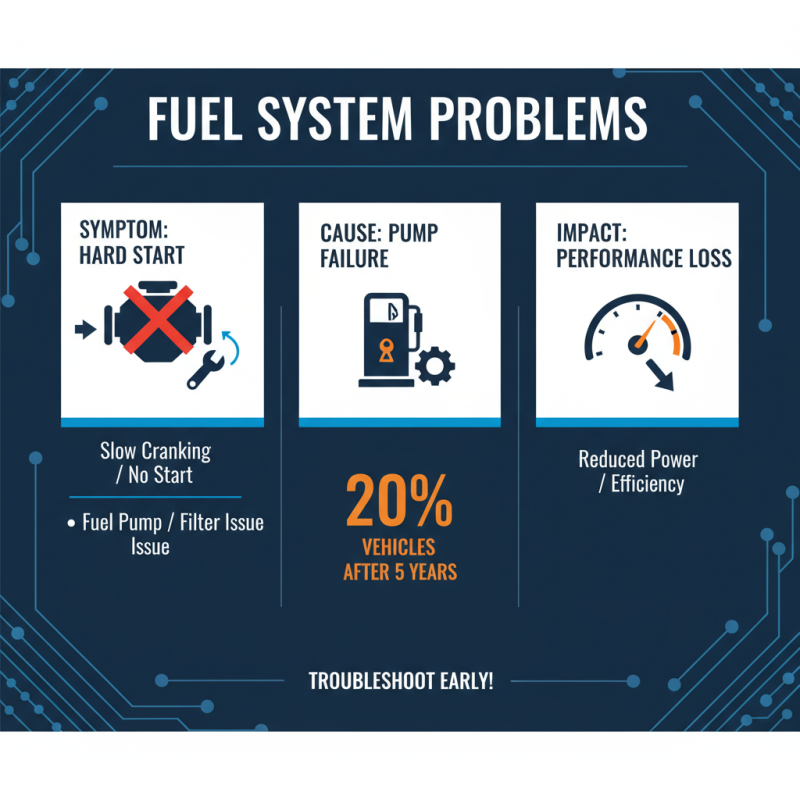
Fuel system issues can significantly affect your vehicle's performance. Recognizing the common symptoms is vital for timely troubleshooting. One primary symptom is difficulty starting the engine. If the engine cranks slowly or fails to start, it may indicate a fuel pump problem or a clogged fuel filter. This issue often arises when the fuel pump loses its efficiency. Research suggests that nearly 20% of vehicles experience pump failures after five years of use.
Another notable symptom is reduced fuel efficiency. If you frequently refuel your vehicle or notice a drop in mileage, your fuel system could be to blame. A faulty oxygen sensor can disrupt the air-fuel mixture, leading to poor combustion. According to a study by the American Automobile Association (AAA), degraded fuel injectors cause up to a 15% decrease in fuel efficiency when they fail to deliver the correct amount of fuel.
Furthermore, pay attention to unusual engine noises, such as knocking or pinging sounds. These may indicate improper fuel mixtures or issues with the combustion process. Ignoring such signs can lead to more severe engine damage. The National Institute for Automotive Service Excellence (ASE) states that recognizing and addressing fuel system symptoms promptly can save drivers thousands in potential repairs. So, be vigilant and proactive in monitoring your vehicle's performance.
Step-by-Step Guide to Diagnosing Fuel System Problems
Diagnosing fuel system problems is crucial for maintaining optimal vehicle performance. Begin by observing engine symptoms. A rough idle or hesitation during acceleration may signal issues. According to industry reports, up to 30% of engine performance problems are linked to fuel delivery failures. This statistic underscores the importance of a well-functioning fuel system.
Check the fuel filter and lines. A clogged filter restricts flow, reducing engine power. Regular inspections are essential. Replace filters every 15,000 miles for optimal flow. Industry experts recommend visual checks of fuel lines for leaks or damage. Any indication of wear can lead to bigger issues down the line.
Next, test the fuel pump. It should produce sufficient pressure; anything below specifications can disrupt fuel flow. A recent study found that over 15% of fuel pump failures are due to lack of maintenance. Monitor fuel pressure regularly. Don’t ignore sputtering engines or difficulty starting. Such issues might hint at deeper problems in the system. Recognizing these signs early can save time and money. Reflect on past maintenance routines; what can be improved?
How to Troubleshoot Your Fuel System for Optimal Vehicle Performance? - Step-by-Step Guide to Diagnosing Fuel System Problems
| Step |
Action |
Tools Needed |
Common Symptoms |
| 1 |
Check Fuel Level |
Fuel gauge |
Engine sputtering |
| 2 |
Inspect Fuel Pump |
Multimeter |
Noisy pump |
| 3 |
Check Fuel Filter |
Wrench |
Stalling engine |
| 4 |
Inspect Fuel Injectors |
Injector cleaning kit |
Poor acceleration |
| 5 |
Check for Leaks |
Visual inspection |
Fuel odor |
Essential Tools and Equipment for Fuel System Troubleshooting
When troubleshooting your fuel system, having the right tools is crucial. A basic fuel pressure gauge is essential. It helps you measure the pressure in the fuel lines. This is vital to determine if the fuel pump is working correctly. A multimeter is another important tool. It checks electrical components like fuel injectors and pumps. Ensuring these parts receive the right voltage can prevent further issues.
Don't forget about safety equipment. Safety glasses and gloves protect you while working. Fuel systems can be dangerous, and spills are common. A fuel line wrench is also necessary. It prevents damage to fuel fittings when removing them. Some mechanics overlook the need for a vacuum gauge. This tool helps detect vacuum leaks in the fuel system. Such leaks can lead to poor performance.
Lastly, keep a clean workspace. A messy area can cause distractions and accidents. Having good lighting is essential too. You need to see details clearly as you troubleshoot. It's easy to overlook simple issues without proper visibility. Sometimes, checking fuel filters gets ignored, leading to bigger problems. Regular maintenance can save you time and money in the long run.
Preventive Maintenance Tips for Fuel System Efficiency
Maintaining your fuel system is crucial for ensuring efficient vehicle performance. Regular inspections can prevent issues that lead to decreased fuel efficiency. According to recent industry reports, a clean fuel filter can improve fuel efficiency by 10% or more. This means fewer visits to the pump, saving you money in the long run. However, many drivers neglect this simple yet effective maintenance task.
Fuel injectors can also accumulate deposits over time. Studies show that dirty injectors can reduce engine power by up to 30%. This not only affects performance but contributes to increased emissions. Cleaning or replacing injectors may seem inconvenient, yet it pays off. Implementing fuel system cleaners every few thousand miles is an easy preventive measure.
Moreover, vapor leaks can silently degrade performance. A small leak can lead to a 20% drop in fuel efficiency. Regularly checking fuel lines and seals can help catch these problems early. Addressing these small issues may require effort but can vastly improve your vehicle's reliability. Ignoring them might lead to larger, more costly repairs. Prioritizing these maintenance tasks ensures you keep your vehicle running smoothly and efficiently.
Fuel System Efficiency Over Time
This chart illustrates the fuel efficiency of a vehicle measured in miles per gallon (MPG) over the first half of the year. Regular maintenance and troubleshooting of your fuel system can significantly enhance efficiency and performance.