Why Choose OEM Auto Body Parts for Global Buyers?

For global buyers, choosing OEM auto body parts can reduce uncertainty during vehicle repair and fleet maintenance. These components are produced to the vehicle maker’s specifications, including dimensions, mounting points, material thickness, and surface treatment. A door shell should align with existing hinges. A bumper should accept the original sensors and brackets. Small differences can create costly delays.

In my experience, dependable sourcing begins with evidence, not attractive product photos. Buyers should request part numbers, VIN compatibility, factory records, inspection reports, and clear packaging details. An experienced supplier can explain corrosion protection, paint readiness, production tolerances, and replacement procedures. They should also provide consistent export documents and responsive technical support. Traceable batches matter when shipments cross several borders. So does careful inspection before loading.

OEM parts are not automatically the perfect choice. Their prices may be higher, and availability can vary between regions. Sometimes an approved aftermarket option may suit an older vehicle or a tight budget. That decision requires honest comparison. A familiar logo alone proves little. Buyers still need to verify authenticity, supplier authorization, warranty terms, and return conditions. This is where professional judgment becomes valuable. The safest process connects documented quality with practical experience. It considers fit, finish, delivery risk, and long-term repair performance. When these details are checked carefully, OEM auto body parts can offer predictable installation and stronger confidence for international buyers. Mistakes still happen. Good suppliers acknowledge them, correct them quickly, and improve their process.
Why Choose OEM Auto Body Parts for Global Buyers?

What Are OEM Auto Body Parts?

Why Choose OEM Auto Body Parts for Global Buyers?

What Are OEM Auto Body Parts?

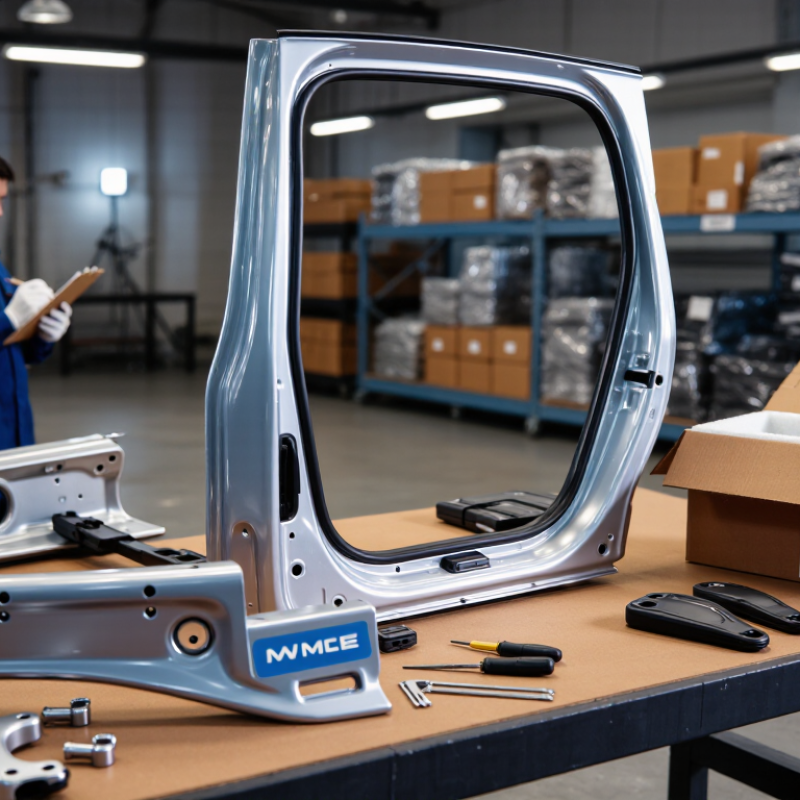
OEM auto body parts are components made to a vehicle’s original engineering specifications. They match approved dimensions, mounting points, materials, and surface finishes. These parts may include doors, hoods, fenders, bumpers, and structural panels. They are not simply “new replacement parts.” Their value comes from documented design control and consistent production standards.

For global buyers, fit is a practical concern. A panel that needs heavy reshaping can increase labor, paint use, and shipping delays. The 2024 Crash Course report by CCC Intelligent Solutions reported average U.S. repairable-claim severity above 4,700 dollars. That figure shows why small fitting problems can become expensive. OEM parts can reduce uncertainty, but they do not remove it. Packaging damage, incorrect specifications, or poor storage still create real risks.

Modern body panels may also support sensors, cameras, and calibrated safety systems. Research from the Insurance Institute for Highway Safety found that automatic emergency braking reduced rear-end crashes by about 50 percent. Correct panel placement matters. A small mounting difference can affect sensor alignment. Buyers should request part numbers, material details, production records, and inspection photos. Independent verification is wise. OEM does not always mean perfect. Country-specific repair procedures and transport conditions still require careful review.

Why Choose OEM Auto Body Parts for Global Buyers?

OEM auto body parts are replacement components produced to the vehicle maker’s original specifications. Their consistent dimensions, material standards, mounting points, and safety requirements make them a reliable choice for collision repair and international sourcing.

Global vehicle production reached approximately 93.5 million units in 2023. The regional distribution highlights the scale of the worldwide vehicle base that requires correctly matched body-repair parts. Data source: International Organization of Motor Vehicle Manufacturers (OICA), 2023 production statistics.

How OEM Parts Differ from Aftermarket Alternatives

For global buyers, part choice affects fit, safety, labor, and delivery risk. OEM parts are produced to the vehicle’s original engineering specifications. They match factory mounting points, connector positions, material grades, and surface tolerances. Aftermarket parts vary widely. Some perform well, while others may require drilling, reshaping, or extra adjustment.

This difference matters more when vehicles use cameras, radar, or parking sensors. The 2024 CCC Crash Course report highlights rising diagnostic and calibration demands after collision repairs. IIHS research also reports that automatic emergency braking reduces rear-end crashes by about half. A bumper that looks correct may still disturb sensor alignment. In repair audits, small gaps around headlights often signal deeper fit problems. I once viewed panel alignment as mainly cosmetic. That judgment was too narrow.

OEM parts usually support clearer traceability, warranty documentation, and installation guidance. That can simplify claims across different markets. NHTSA’s 2023 economic-impact report estimated that motor vehicle crashes cost the United States about $340 billion in 2019. Avoiding repeat repairs therefore has measurable value. Still, OEM is not automatically the best answer. A certified aftermarket panel can suit a non-structural repair, especially when quality records and dimensional checks are available. Buyers should compare material specifications, corrosion protection, test evidence, and local technician experience. Price alone hides too much.

Key Benefits of OEM Auto Body Parts for Global Buyers

Why Choose OEM Auto Body Parts for Global Buyers?

OEM auto body parts offer predictable fit, documented materials, and repeatable installation results. This matters when a bumper arrives at a workshop thousands of miles away. The 2023 Global Automotive Consumer Study by an international consulting network found that vehicle quality remains a major purchase factor across mature and emerging markets. Buyers often notice small gaps, uneven paint lines, or mismatched sensors immediately. OEM specifications reduce those avoidable problems.

The 2023 U.S. Automotive Aftermarket Industry Report valued the market above 500 billion dollars, showing intense demand for replacement components. Yet volume alone does not guarantee quality. OEM panels usually follow the vehicle maker’s dimensional tolerances and corrosion requirements. That supports faster inspections, fewer returns, and more consistent repair estimates. Better documentation helps importers check part numbers, packaging, and production batches before shipment. Small details matter.

Real workshops still face imperfect conditions. Shipping damage happens. Catalog data can be outdated. Even genuine parts may require careful alignment. That is why experienced buyers should verify application, finish, certification records, and warranty terms before ordering. It is not glamorous work. It prevents expensive surprises. The 2023 Logistics Performance Index also shows how customs reliability and shipment tracking influence international supply chains. OEM purchasing works best when technical accuracy meets disciplined logistics.

Why Choose OEM Auto Body Parts for Global Buyers? — Key Benefits of OEM Auto Body Parts for Global Buyers

A practical comparison of the factors that influence fit, quality, compliance, installation, and total ownership cost.

Evaluation Dimension OEM Auto Body Parts Non-OEM Alternatives Why It Matters to Global Buyers
Vehicle Compatibility High Compatibility
Developed for a specific vehicle application, model configuration, and production specification.
Compatibility may vary by supplier, production batch, vehicle version, and regional specification. Reduces the risk of ordering incorrect panels and supports smoother cross-border vehicle repair.
Panel Fit and Alignment Designed to match the vehicle’s original mounting points, body contours, and adjacent panels. Fit can range from precise to requiring adjustment, depending on manufacturing control and tooling quality. Better alignment can reduce labor time, rework, paint preparation, and installation disputes.
Material and Surface Specification Manufactured to the vehicle maker’s specified material, thickness, surface treatment, and finishing requirements. Material grade, thickness, coating system, and surface condition may differ between suppliers. Consistent specifications help buyers evaluate durability, corrosion resistance, and refinishing requirements.
Crash-Repair Consistency Intended to restore the body structure and appearance according to the vehicle’s original repair design. Performance depends on the part’s engineering, manufacturing quality, and documented application. Supports more predictable repair outcomes; structural repairs should always follow applicable repair procedures.
Quality Consistency Usually produced under controlled specifications with defined inspection and production requirements. Quality consistency can differ significantly among manufacturers and product lines. More predictable quality is valuable for importers, distributors, repair networks, and fleet operators.
Part Identification Commonly supported by application-specific part numbers, catalog information, and vehicle fitment data. Catalog descriptions and cross-reference information may vary in accuracy and completeness. Clear identification helps reduce customs, warehousing, procurement, and returns-related errors.
Installation Efficiency Original mounting features and interfaces are intended to support direct or near-direct installation. Additional drilling, trimming, reshaping, or adjustment may be required for some products. Fewer modifications can lower workshop labor costs and shorten vehicle downtime.
Warranty and Documentation Warranty coverage, technical information, and installation guidance are generally linked to the authorized supply channel. Warranty terms and technical support depend on the individual supplier and sales channel. Buyers should verify warranty scope, claim procedures, documentation, and regional support before ordering.
Supply Chain Traceability Typically offers clearer production, catalog, and distribution references for order verification. Traceability ranges from comprehensive to limited, depending on the supplier’s systems. Better traceability supports inventory control, quality claims, recalls, and regulatory recordkeeping.
Total Cost of Ownership Purchase price may be higher, but accurate fit can reduce preparation, modification, labor, and return costs. Initial purchase price may be lower, while additional fitting, refinishing, or replacement costs are possible. Global buyers should compare the complete landed and installed cost rather than unit price alone.
International Procurement Risk Application information and specification control can make product selection more predictable across markets. Selection risk increases when vehicle versions, product descriptions, or supplier specifications are unclear. Clear fitment verification is especially important when freight, duties, and return shipping are expensive.
Best-Suited Use Cases Suitable when fit accuracy, documented specifications, repair consistency, and long-term reliability are priorities. May be suitable when budget, availability, or a particular application takes priority and quality is verified. The best purchasing decision depends on vehicle requirements, local regulations, repair standards, and total cost.

Purchasing note: Before placing an international order, verify the vehicle identification number or exact application, model year, body style, market specification, part number, material details, packaging, warranty terms, and applicable local repair or safety requirements.

Quality, Compatibility, and Certification Considerations

OEM auto body parts give global buyers a clearer quality baseline. In workshop inspections, technicians often check panel gaps, mounting points, surface finish, and material thickness. Small deviations can create noise, water entry, or uneven paint edges. OEM parts are produced for a defined vehicle configuration. That design link usually improves fit and reduces modification work.

Compatibility still requires careful verification. Vehicle year alone is not enough. Buyers should confirm model code, body style, engine option, steering position, and production period. A part may look identical but use different clips or sensors. VIN-based checking is useful, yet it can be incomplete across export markets. I have seen orders delayed because a left-hand-drive version was selected by mistake. The error was simple, but the return cost was not.

Certification adds another layer of confidence. Ask for material records, dimensional inspection reports, production-batch identification, and traceable quality documents. Certificates should come from recognized testing or certification bodies, with scope and validity clearly stated. A document without traceability proves little. It is also wise to inspect packaging, corrosion protection, and labeling before installation. These details reveal handling quality. Not every certified part performs perfectly in every repair environment. Fitment should still be tested on the vehicle, with fasteners tightened to specified requirements. Good purchasing leaves room for checking assumptions, because “OEM” alone does not answer every compatibility question.

How to Source OEM Auto Body Parts Internationally

International sourcing of OEM auto body parts requires more than comparing unit prices. OEM parts are made to the vehicle manufacturer’s original specifications, so accurate fitment, material quality, and safety-related design matter. Before contacting suppliers, prepare part numbers, vehicle identification details, production years, left or right side, and required quantities. Fitment matters.

Experienced buyers request technical drawings, material information, production photos, and inspection records. A reliable supplier should explain packaging, minimum order quantities, lead times, and replacement procedures clearly. Ask for a sample before placing a large order. Check panel gaps, mounting holes, surface treatment, and paint compatibility during inspection.

International shipping adds practical risks. Confirm carton dimensions, moisture protection, labeling, customs documents, and agreed delivery terms in writing. Use an independent inspection service when the order value justifies it. Payment schedules should match verified production milestones, not promises alone. A spreadsheet can still hide missing details. I once underestimated storage fees because the delivery estimate excluded port handling. That mistake changed the final cost significantly.

Buyers should also verify that imported parts meet destination-market safety and environmental requirements. Keep invoices, certificates, inspection images, and communication records together. When a supplier avoids precise answers, pause the order. Professional sourcing is not always fast, but it should be traceable, measurable, and honest about uncertainty.