2026 Best Fuel System Types for Global Buyers

Rudolf Diesel, the engineer behind the diesel engine, wrote in 1912, “The use of vegetable oils as fuel may seem insignificant today. But such oils may become in course of time as important as petroleum.” His observation reminds buyers that fuel choices evolve. A well-matched fuel system must serve today’s engines and local fuel realities.

This guide compares carbureted systems, port fuel injection, gasoline direct injection, and diesel common-rail designs. It also considers flex-fuel configurations where suitable fuels are reliably available. Each type brings trade-offs. A direct-injection system may support precise combustion, while a simpler design can be easier to service in remote markets. Details matter. Fuel quality, climate, spare-part access, technician training, and engine specifications can change the practical choice.

Global buyers should compare verified manufacturer data, not rely on labels such as “advanced” or “efficient.” Check fuel compatibility, maintenance intervals, emissions documentation, and warranty conditions for the intended market. No single system fits every vehicle or region. The comparison is not perfectly tidy: local service records may be incomplete, and quoted efficiency can differ from real operating results. That uncertainty deserves attention. The sections ahead offer a practical framework for weighing performance, ownership costs, reliability, and supply conditions before selecting a fuel system.
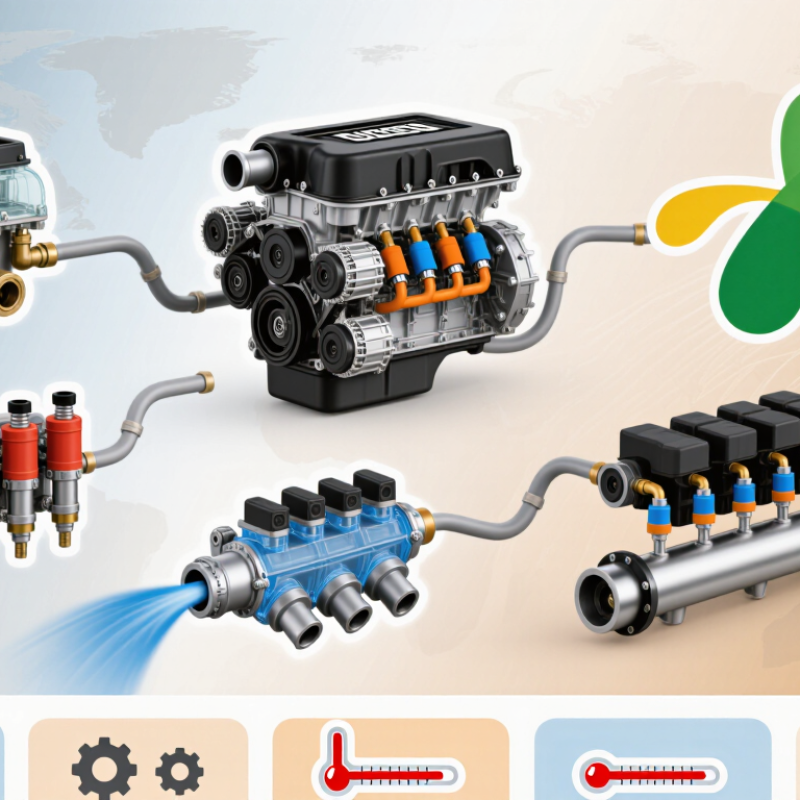
2026 Best Fuel System Types for Global Buyers

Fuel System Basics and Their Role in Modern Vehicles

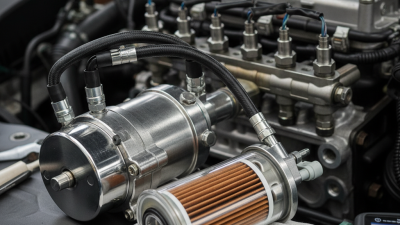
A vehicle’s fuel system stores, filters, meters, and delivers fuel to the engine. Its parts include a tank, pump, lines, filters, injectors, and electronic controls. Each component must work together. In gasoline engines, injectors spray fuel into the intake or combustion chamber. Diesel systems meter fuel at high pressure directly into each cylinder. Small parts matter. A clogged filter can restrict flow, while a weak pump may cause hard starting or uneven acceleration.

Fuel-system design also affects emissions and energy use. The International Energy Agency’s CO2 Emissions in 2022 report estimated transport emissions at nearly 8 gigatonnes of CO2, with road transport responsible for roughly three-quarters. That scale makes accurate fuel delivery important, though a well-designed system cannot compensate for poor maintenance or unsuitable fuel. It is one factor among many.

For global buyers, the basics are practical: check fuel compatibility, filter availability, repair access, and performance across local temperatures and altitudes. A system that works smoothly in a temperate test may behave differently in dusty or very cold conditions. Serviceability is easy to overlook. I would compare documented operating requirements, not just advertised efficiency; real-world maintenance can be less tidy than a specification sheet suggests.

Major Fuel System Types Available to Global Buyers in 2026

2026 Best Fuel System Types for Global Buyers

Major Fuel System Types Available to Global Buyers in 2026

Global buyers will commonly encounter gasoline port injection, gasoline direct injection, and diesel common-rail systems. Port injection sprays fuel into the intake ports and is familiar to many repair shops. Direct injection delivers fuel into the combustion chamber, supporting precise control but often requiring specialized diagnostic tools. Common-rail diesel systems serve many commercial and passenger vehicles, though fuel quality and maintenance access matter.

Some markets also offer flex-fuel systems, designed for specified gasoline and ethanol blends. Older carbureted systems remain in certain small engines and used vehicles, but parts availability can be uneven. No type suits every region. Before choosing, compare local fuel grades, technician experience, replacement-part lead times, and the vehicle’s intended workload. A sophisticated system may be less convenient where diagnostic support is scarce. That trade-off is easy to miss.

Tips: Ask a local mechanic which systems they service regularly. Check the owner’s manual for approved fuel and maintenance intervals. Needs simple diagnostics? Prioritize serviceability. Also confirm current regional requirements before importing or purchasing a vehicle.

How Each Fuel System Delivers and Controls Fuel

For global buyers, fuel-system choice shapes starting, efficiency, emissions, and service needs. Port fuel injection sprays gasoline into the intake port, where it mixes with incoming air before entering the cylinder. An electronic control unit adjusts injector timing and pulse duration using sensor data. The design is relatively straightforward. Direct injection sends fuel into the cylinder at high pressure, allowing closer control of timing and mixture. The U.S. EPA’s 2020 Automotive Trends Report recorded direct injection in about 51% of new U.S. vehicles in model year 2019, up from 3% in 2008. That shift shows broad adoption, not a guarantee of lower real-world emissions in every driving condition.

Diesel common-rail systems store pressurized fuel in a shared rail, then meter separate injections to each cylinder. This supports precise control across changing loads, but clean filtration and accurate calibration matter. CNG and LPG systems use gas-compatible injectors and regulators to manage fuel pressure before metering it into the engine. Their hardware and service requirements differ from liquid-fuel systems. Small details matter: cold starts, fuel quality, altitude, and local technician access can change how well a system performs. The IEA’s 2024 Global Methane Tracker estimates that fossil-fuel operations emitted about 120 million tonnes of methane in 2023; it is not a vehicle-system comparison, but it underscores why fuel supply chains deserve attention too. A specification sheet rarely tells the whole story.

2026 Best Fuel System Types for Global Buyers - How Each Fuel System Delivers and Controls Fuel

Fuel system type Fuel and delivery method How fuel is metered and controlled Typical pressure characteristics Common applications Key advantages and considerations
Carburetor Gasoline is drawn from a float bowl and mixed with incoming air before entering the engine. Venturi airflow creates a pressure difference that draws fuel through calibrated jets; mechanical linkages commonly control throttle and enrichment. Low-pressure fuel supply; the carburetor itself meters fuel using airflow and pressure differences. Older vehicles, small engines, and some markets where simplicity and repairability are priorities. Simple construction and serviceable components; generally less precise than electronic injection and more sensitive to altitude, temperature, and emissions requirements.
Throttle-body injection (TBI) One or more injectors spray gasoline into the throttle body, upstream of the intake manifold. An electronic control unit adjusts injector pulse width using sensor inputs such as engine speed, airflow or manifold pressure, and oxygen-sensor feedback. Low-pressure injection; operating pressure is typically around 0.7–1.0 bar (10–15 psi), depending on design. Older electronically fuel-injected gasoline engines and some utility applications. Simpler than port injection and easier to retrofit in some cases; fuel distribution between cylinders is generally less uniform than with individual port injectors.
Port fuel injection (PFI) A separate injector sprays gasoline into each cylinder’s intake port, upstream of the intake valve. The electronic control unit meters fuel by varying injector pulse width and timing, typically coordinating injection with engine load and speed. Commonly operates at approximately 3–5 bar (43–73 psi); exact pressure varies by system design. Gasoline passenger vehicles, light commercial vehicles, and engines designed for straightforward service. Well-established technology with relatively moderate system complexity; fuel is mixed with air before entering the cylinder, but it does not provide the same in-cylinder charge cooling as direct injection.
Gasoline direct injection (GDI) A high-pressure injector sprays gasoline directly into each combustion chamber. The control unit manages high-pressure pump output, injection timing, and injector duration; some engines use multiple injection events per cycle. Typical operating pressure is roughly 50–350 bar (725–5,076 psi), with the range depending on engine generation and operating condition. Modern gasoline cars and light commercial vehicles, often alongside turbocharging or hybrid powertrains. Supports precise in-cylinder fuel control and can enable efficient combustion strategies; requires high-pressure components and careful attention to fuel quality and maintenance.
Diesel common rail A high-pressure pump supplies a shared rail, which feeds electronically controlled injectors at each cylinder. The control unit regulates rail pressure and injector timing and duration; it can schedule multiple injections during a combustion cycle. Many modern systems operate at approximately 1,000–2,500 bar (14,500–36,300 psi); maximum pressure varies by application. Passenger cars, light and heavy commercial vehicles, agricultural machinery, and industrial engines. Flexible electronic control and multiple-injection capability; high-pressure parts require clean fuel, suitable filtration, and specialist servicing.
Diesel unit injector or unit pump Each cylinder has a combined pumping and injection unit, or a dedicated pump connected to its injector by a short high-pressure line. Mechanical actuation or electronic control determines injection timing and quantity; the precise arrangement depends on system design. Injection pressure is generated locally and can reach well over 1,000 bar; actual pressure depends on the specific system and operating point. Selected heavy-duty, off-highway, and earlier-generation diesel applications. Short high-pressure fuel paths and robust design options; packaging and service procedures differ from common-rail systems, and availability varies by vehicle generation.
LPG or CNG fuel injection Liquefied petroleum gas (LPG) is vaporized or supplied in liquid form, while compressed natural gas (CNG) is stored as a high-pressure gas and regulated before injection. Electronic controllers meter gaseous or liquid fuel using engine sensor data; systems may use intake-manifold injectors or, in some designs, direct injection. Pressure depends on fuel and system architecture. CNG storage is commonly around 200–250 bar (2,900–3,600 psi) before pressure regulation; injector-side pressure is much lower. Dedicated or bi-fuel passenger and commercial vehicles in regions with suitable fuel infrastructure. Can use alternative-fuel infrastructure and support bi-fuel operation; tank, regulator, injector, inspection, and refueling requirements differ from gasoline and diesel systems.

Pressure figures are typical indicative ranges, not universal specifications. Actual requirements vary by engine, model year, operating condition, and market regulations.

Key Differences in Performance, Cost, and Compatibility

Fuel-system choice changes how an engine responds, how much maintenance it needs, and whether parts are easy to source locally. Carburetors can be inexpensive and straightforward to repair, especially on older engines, but altitude and temperature may affect starting and fuel delivery. They are not a universal fit. Port fuel injection generally offers smoother starts and more consistent metering, while keeping service needs familiar to many workshops. For buyers replacing an existing system, matching the engine’s original design is often cheaper than adapting a different type.

Direct injection can support precise fuel control and strong performance, but it relies on high-pressure pumps, specific injectors, and compatible engine electronics. Repairs may cost more, and skilled service is not equally available everywhere. Diesel common-rail systems also deliver fuel at high pressure, so clean fuel and careful maintenance matter. Small contaminants can damage precision components. That matters. Before purchasing, check the engine code, connector and pump specifications, and the vehicle’s control-system requirements. Local fuel quality and parts availability deserve equal attention. A system that looks efficient on paper may be a poor fit where specialist repairs are scarce. Compatibility lists can also be incomplete, so confirm details with a qualified technician when possible.

How to read this: The chart compares representative fuel supply or injection pressures on a logarithmic scale. Typical ranges vary by engine: carburetor supply is about 0.2–0.4 bar, port fuel injection about 3–5 bar, gasoline direct injection about 50–350 bar, and diesel common rail about 1,000–2,500 bar.

Buyer context: Carburetors are generally simpler and suit older or small gasoline engines; port injection and direct injection are gasoline systems with engine-specific compatibility; common rail is designed for diesel engines. Higher pressure does not by itself mean better performance or lower cost—confirm the system type and specifications required by the target engine.

How to Choose a Fuel System for Your Vehicle and Region

Choosing a fuel system starts with the vehicle’s engine and the conditions it will face. Port fuel injection is familiar to many repair shops and can be straightforward to service. Direct injection can support precise fuel delivery, but repairs may require specialized tools. Older carbureted systems are simpler in some respects, yet they may need more frequent adjustment. Cold starts matter.

Diesel buyers should consider whether common-rail service and suitable parts are available locally. Fuel quality also varies by region. Contamination or inconsistent fuel can increase wear, so check the vehicle manual’s requirements and ask local technicians what they see in practice. High altitude, dusty roads, and sharp temperature changes can affect performance too. One detail is easy to overlook: a system that works well on a test drive may be inconvenient to maintain far from a service center.

Compare more than purchase price. Ask about routine servicing, replacement-part lead times, and technician experience with the exact system. I would not assume the newest option is automatically the best fit; that depends on your routes and repair access. Keep it practical. A qualified mechanic can inspect the engine and confirm compatibility before purchase, especially when buying across regions.