Choosing among the best engine parts suppliers in 2026 takes more than comparing prices. A polished catalog cannot tell you whether a crankshaft will arrive on time, fit the stated engine code, or come with traceable quality records. Small details matter: a casting mark, a clear warranty, and a support team that answers a technical question directly. The parts engine market also changes quickly, so a supplier’s reputation should be checked against current stock, product coverage, and service performance.
Toyota production-system pioneer Taiichi Ohno offered a useful reminder: “Having no problems is the biggest problem of all.” His words are not about parts suppliers specifically, but they point to a practical habit: look for evidence before trouble appears. Ask how suppliers verify compatibility, handle returns, and document manufacturing standards. Check whether listings distinguish original, aftermarket, and remanufactured components. Then compare delivery times and warranty terms, not just the headline price. A low quote can look convincing—until a mismatched part leaves a repair stalled.
This guide examines suppliers through those real-world questions. It considers product range, fitment information, quality controls, customer support, and value over the full service life of a part. No ranking removes every doubt. Supplier performance can vary by component and location, and even a careful buyer may miss something. Use the comparisons as a starting point, then verify the details for your engine and application.
Engine parts suppliers connect repair shops, rebuilders, and vehicle owners with components such as pistons, bearings, valves, gaskets, and oil pumps. A dependable supplier does more than list products. It checks engine codes, model years, dimensions, and intended use before recommending a part. Small differences matter. Bearing clearance or gasket thickness can affect engine performance. Careful guidance can prevent costly returns, though fitment data is not infallible.
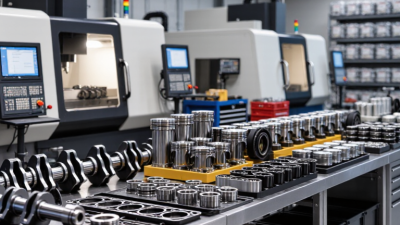
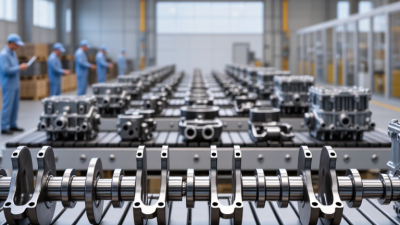
Suppliers source parts from manufacturers and specialist machining facilities, then inspect, store, and ship them through warehouses or regional distributors. Teams may check measurements, batch numbers, packaging, and visible damage before dispatch. Technical staff can compare a worn component with catalog specifications and explain installation limits. Reliable suppliers also provide clear return terms and warranty conditions. Still, supply chains shift, and experienced staff can miss details. Ask for written confirmation when a part is unusual.
Tips: Share the vehicle identification number, engine code, model year, and photos of the old part. Confirm dimensions and delivery dates before ordering. Keep the invoice and packaging until installation.
Choosing an engine parts supplier in 2026 means checking more than price and delivery promises. Ask how the supplier verifies dimensions, materials, and production batches. Reliable records should connect a part to its specifications and inspection results. For a practical check, compare the part number, fitment data, and measurement sheet before approving an order. Small discrepancies matter.
Request clear information about stock accuracy, lead times, and how changes are communicated. A digital catalogue is useful, but it should show current fitment details and flag superseded references. Ask for sample documentation, such as inspection reports or material certificates, where relevant. Check that these documents match the exact part being quoted. Vague paperwork is a warning sign.
Also evaluate how the supplier handles defects, returns, and technical questions. A written warranty helps, but the response process matters just as much. Ask who reviews a fitment issue and what evidence they need. Test the service with a specific question before placing a large order. No checklist removes risk. Even careful buyers can miss a mismatch, and a low price may still be worthwhile when the application is simple. Compare the trade-offs against your repair needs, not just the headline discount.
What Are the Best Engine Parts Suppliers in 2026?
Types of Suppliers and Their Core Strengths
Engine-parts suppliers serve different needs. Original-equipment suppliers typically offer parts built to vehicle-maker specifications, with strong fitment documentation. Aftermarket distributors provide broad inventories, useful when a repair needs seals, bearings, or timing components quickly. Specialist remanufacturers focus on rebuilding assemblies such as cylinder heads and crankshafts. Their value depends on inspection standards and clear testing records. Fit matters.
The Auto Care Association’s 2024 Factbook projected U.S. light-duty aftermarket sales at about $405 billion for 2024. S&P Global Mobility reported that the average U.S. light vehicle was 12.6 years old in 2024. These figures help explain demand for both replacement parts and repair expertise; they do not prove that every supplier maintains equal quality. In practice, catalogs can still be wrong, especially when engine codes or production dates differ.
Tips: Match parts by VIN, engine code, and production date. Ask suppliers about material specifications, warranty terms, and traceability. For rebuilt parts, request documented inspection and testing details. A low price is tempting, but inconsistent tolerances can mean extra labor and repeat repairs.
Typical strengths vary by supplier type. Scores are qualitative comparisons, not audited industry measurements; actual fitment, availability, pricing, and support depend on the part and supplier.
Comparing leading engine parts suppliers in 2026 means looking beyond price. A low-cost piston set is no bargain if its dimensions or materials do not match the engine specification. Check catalog coverage, fitment data, warranty terms, and documented quality controls. Fitment matters.
The market context is significant. S&P Global Mobility reported that the average age of U.S. light vehicles reached 12.6 years in 2024, increasing demand for repair parts. The Auto Care Association’s 2024 Joint Forecast estimated U.S. light-duty aftermarket sales at about $400 billion for that year. These figures indicate a large, mature replacement market, but they do not prove that any supplier offers better parts.
Compare suppliers by the evidence they provide: clear application notes, traceable part numbers, consistent dimensional specifications, and accessible technical support. Ask how they handle returns for incorrect fitment, and whether critical components are tested against stated tolerances. Broad inventory can reduce delays; specialist coverage may provide better detail for less common engines. Neither advantage is universal. Supplier comparisons remain imperfect because catalogs, testing claims, and warranty exclusions vary. Before ordering, confirm the engine code, model year, and measurements against service documentation.
| Supplier category | Typical parts offered | Fitment and sourcing strengths | Warranty and support considerations | Best suited to | Points to check before ordering |
|---|---|---|---|---|---|
| Authorized original-equipment parts distributor | Vehicle-specific service and replacement parts, where available | Often has access to manufacturer catalogs and vehicle-specific fitment information | Coverage and claim handling depend on the part, seller, and applicable terms | Owners prioritizing specified fitment and documented sourcing | Confirm the vehicle identification number (VIN), part number, availability, and return conditions |
| Established aftermarket parts distributor | New replacement components such as sensors, pumps, gaskets, and timing parts | May offer multiple specification and price options across a broad vehicle range | Warranty length, exclusions, and labor reimbursement policies vary by product and seller | Repair shops and buyers comparing replacement options | Check stated specifications, included components, country of origin where disclosed, and warranty terms |
| Engine rebuilding specialist | Rebuild kits, internal engine components, and parts selected for machining or overhaul work | Can help match components to engine measurements, repair scope, and machining requirements | Support may be strongest when the supplier reviews the build specifications before sale | Engine rebuilders and customers undertaking a full or partial overhaul | Provide engine code, measurements, machining details, and intended use before selecting parts |
| Remanufactured engine component supplier | Reconditioned assemblies or components, which may include cylinder heads, crankshafts, or complete engines | Can provide a replacement assembly when a repairable core is available and the application matches | Core charges, return deadlines, installation requirements, and warranty exclusions can apply | Buyers seeking a tested or rebuilt assembly rather than individual new parts | Verify remanufacturing scope, test documentation, core condition rules, and shipping arrangements |
| Online parts marketplace | Listings from multiple independent sellers, including new, used, and remanufactured parts | Convenient for comparing listings, availability, and delivery options in one place | Policies and support may differ between the marketplace and the individual seller | Experienced buyers who can assess listings and seller terms | Review seller history, exact part numbers, item condition, return shipping, and who provides the warranty |
| Local engine machine shop or parts counter | Machine-work-related components and parts for local repairs or rebuilds | In-person consultation can help resolve measurement, machining, and compatibility questions | Support and warranty responsibility depend on whether the shop supplied, installed, or machined the part | Customers who value local technical coordination and hands-on assessment | Confirm the shop's scope of work, component source, quoted lead time, and responsibility for defects |
Comparison note: These are supplier categories rather than named companies. Stock, fitment coverage, delivery times, pricing, and warranty terms vary by seller, part, vehicle, and location; confirm details directly before purchase.
What Are the Best Engine Parts Suppliers in 2026?
How to Choose a Supplier for Your Vehicle and Budget
Choosing an engine-parts supplier starts with fitment, not price. Check your vehicle’s year, engine size, and engine code against the listing. A gasket that looks right may differ in thickness or port shape. Ask the supplier to confirm compatibility in writing if details are unclear. Reliable sellers provide clear specifications, traceable part numbers, realistic delivery estimates, and a readable return policy. Fit matters most.
Set a total budget, including shipping, installation, and possible downtime. A low-cost component can become expensive if it arrives late or does not fit. Compare materials, warranty coverage, and testing information, but treat broad claims cautiously. For critical parts, ask a qualified technician to review your choice. A supplier cannot replace proper diagnosis. It is worth asking: am I choosing the right part, or just the cheaper listing?
Tips: Keep the old part’s number and take clear photos before ordering. Check whether returns require unopened packaging. Save the invoice and written fitment confirmation. Small records help if something goes wrong.