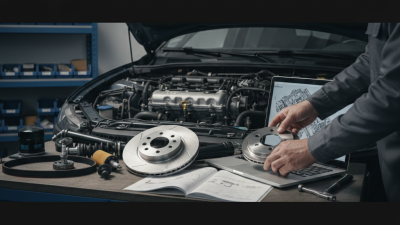
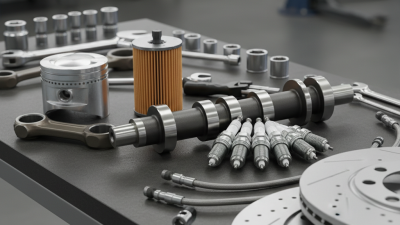
China remains an important sourcing destination for buyers seeking automotive components, from brake pads and filters to lighting and electrical parts. Yet finding a suitable supplier takes more than comparing prices. Product fit, quality controls, production capacity, communication, and delivery reliability all matter.
This guide introduces ten Chinese car parts suppliers for global buyers. It offers a starting point, not a substitute for due diligence. Supplier capabilities can vary by factory, product line, and order size. Ask for current product catalogs, relevant quality documentation, sample parts, and clear information about lead times. Check that specifications match your vehicle models and intended market. Small details matter, such as connector shapes, thread sizes, packaging labels, and material tolerances.
Search terms can be messy. A buyer typing “car parts car parts” may still need a precise match, not a long list of catalog items. Compare quotes on the same specifications, and confirm what inspection or after-sales support is included. Where possible, discuss your order directly with the supplier and keep written records of agreed requirements. No supplier profile can answer every question, and rankings may not reflect your particular needs. Use the companies here to narrow your search, then verify the details before making a purchasing decision.
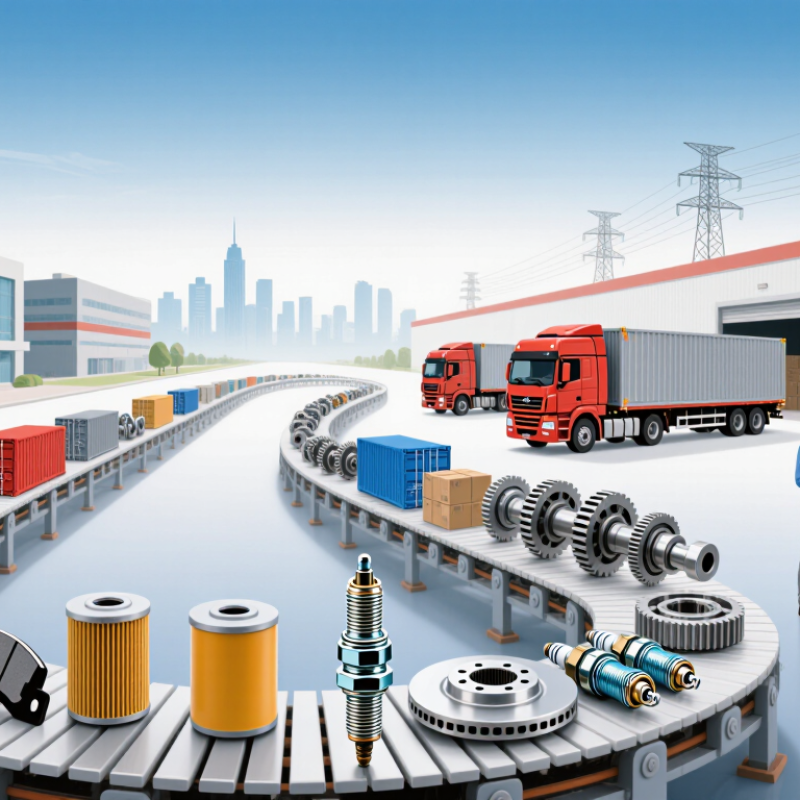
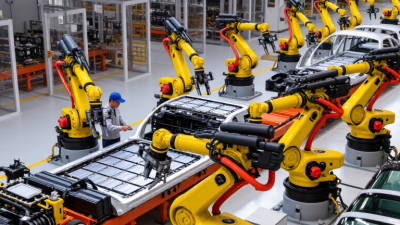
China’s 30.16 million vehicle output in 2023 was more than a headline figure. It signals a deep manufacturing base for components, tooling, materials, and production services. The China Association of Automobile Manufacturers reported 30.161 million vehicles produced and 30.094 million sold that year, increases of 11.6% and 12% respectively. That matters. A large domestic market can help suppliers build experience across high-volume production and changing vehicle designs.
The same CAAM data recorded 9.587 million new-energy vehicles produced in 2023. This expanding segment increases demand for electrical systems, battery-related components, thermal management, and lightweight structures. Yet national output alone cannot verify any individual supplier’s consistency. Not automatically. Buyers should check factory-level capacity, material traceability, inspection records, and the supplier’s ability to maintain specifications across repeat orders. A polished sample is useful, but a stable process matters more.
Tips: Ask for recent production and defect data, then compare it with a sample inspection. Confirm who performs testing and how changes are documented. If possible, assess the actual production line—not only the showroom. Scale is valuable, but it needs careful verification.
China produced 30.16 million vehicles in 2023, its highest total in this five-year comparison. The figures show the scale and growth of the country’s automotive manufacturing base.
Source: China Association of Automobile Manufacturers (CAAM). Production figures are in millions of vehicles.
China’s automotive supply network connects batteries, glass, drivetrains, and vehicle electronics. OICA reported that China produced about 30.2 million motor vehicles in 2023, roughly one-third of global output. The IEA’s Global EV Outlook 2024 says China accounted for nearly 60% of electric-car sales that year. Scale matters, but volume alone cannot prove consistent quality or traceability.
For global buyers, the key question is how components work together in the finished vehicle. Battery suppliers influence pack dimensions, thermal design, and shipping plans. Glass makers must maintain clear optics and precise fit; a chipped edge can delay assembly. Drivetrain sourcing may include motors, inverters, gears, and calibration. Electronics suppliers provide sensors and control units. The IEA reported that China held about 85% of global battery-cell manufacturing capacity in 2023. That concentration creates options, but also deserves scrutiny. It is tempting to rank suppliers by capacity; quieter weaknesses can be missed.
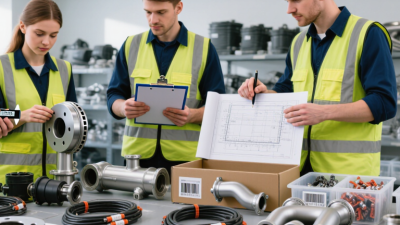
Tips: Request audit records, material traceability, sample test results, and change-control procedures. Compare suppliers against the same specification, not just quoted prices. Ask how they contain a rejected batch. A polished presentation is useful, but it is not evidence.
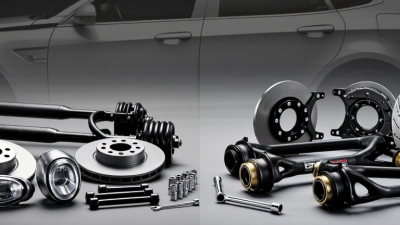
A practical comparison of China’s top ten car parts suppliers should look beyond catalog size. Their products may include braking components, filters, suspension parts, lighting, cooling systems, and electrical assemblies. Some factories focus on a single component; others combine machining, molding, and final assembly. Small differences matter.
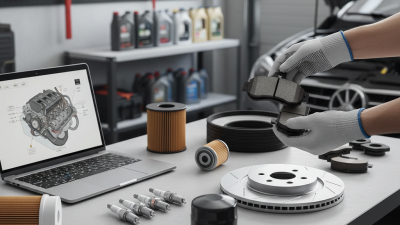
Capabilities vary by product. A supplier making brake components should explain material controls, dimensional checks, and durability testing. For electrical parts, ask about connector testing and inspection records. Production capacity is useful, but stable quality across repeat orders matters more. Request sample parts and clear technical drawings. Then compare them.
Export markets can indicate experience with varied vehicle platforms and packaging needs, but they do not guarantee a good fit. Buyers should verify applicable quality certificates, traceability, lead times, and after-sales procedures directly. Ask how defects are handled and whether replacement parts remain available. A polished catalog can still hide gaps in testing or communication. We should admit that supplier rankings change with product type, order volume, and destination market. A careful audit is worth the extra time.
An anonymized, category-based sourcing overview—not a ranking of named companies. Products and capabilities vary by supplier; verify specifications and certifications for each project.
| No. | Supplier Category | Typical Products | Common Capabilities | Typical Buyer Markets | Buyer Checks |
|---|---|---|---|---|---|
| 1 | Tire and wheel suppliers | Passenger-car, light-commercial and truck tires; steel and alloy wheels | Tire compounding, curing, tread-pattern development, wheel forming and finishing | Vehicle manufacturers, tire distributors, fleet operators and replacement-parts wholesalers | Confirm size, load and speed ratings, regional labeling rules, test reports and wheel fitment data. |
| 2 | Automotive battery suppliers | 12 V lead-acid starting batteries; lithium-ion cells, modules or packs for applicable vehicle programs | Battery assembly, pack integration, battery-management-system integration and electrical testing | Automakers, vehicle assemblers, battery distributors and aftermarket service networks | Specify chemistry, voltage, capacity, application, transport requirements and relevant safety documentation. |
| 3 | Brake-system suppliers | Brake pads, shoes, discs, drums, calipers and hydraulic components | Friction-material formulation, machining, casting, assembly and product testing | Automotive OEM and Tier suppliers, repair networks and replacement-parts distributors | Check vehicle compatibility, applicable braking regulations, material declarations and performance test evidence. |
| 4 | Automotive lighting suppliers | Headlamps, tail lamps, signal lamps, fog lamps and selected LED lighting assemblies | Optical design, molded-component production, LED integration, sealing and photometric testing | Vehicle manufacturers, component integrators and aftermarket distributors | Verify lighting function, beam pattern, vehicle fitment, environmental protection and destination-market approvals. |
| 5 | Chassis and suspension suppliers | Control arms, steering links, hubs, springs, dampers and selected suspension assemblies | Forging, casting, stamping, machining, heat treatment and assembly | Automakers, chassis-system integrators, commercial-vehicle buyers and aftermarket wholesalers | Review material grades, fatigue and corrosion testing, dimensional drawings and vehicle-platform compatibility. |
| 6 | Powertrain component suppliers | Engine and transmission components, cooling parts, pumps, shafts and selected driveline parts | Precision machining, casting, forging, heat treatment and component assembly | Vehicle and engine manufacturers, repair-parts importers and industrial distributors | Confirm exact part numbers or drawings, tolerances, material traceability and application-specific test results. |
| 7 | Filtration suppliers | Engine-oil, air, fuel and cabin filters | Filter-media processing, pleating, housing production, sealing and flow or filtration testing | Automotive aftermarket distributors, service chains, fleets and vehicle manufacturers | Check dimensions, filtration specifications, service interval requirements and validated cross-reference data. |
| 8 | Automotive electrical and electronic suppliers | Wiring harnesses, connectors, sensors, switches, control units and selected power-electronics components | Harness assembly, connector molding, PCB assembly, software or control integration and electrical testing | Automakers, Tier suppliers, vehicle assemblers and electronics distributors | Assess drawing control, environmental and electromagnetic compatibility requirements, software scope and change management. |
| 9 | Seating and interior suppliers | Seat frames, cushions, trim, interior panels and selected cabin components | Metal forming, foam molding, upholstery, plastic molding and assembly | Vehicle manufacturers, interior-system integrators and commercial-vehicle assemblers | Specify materials, dimensions, flammability requirements, durability tests and vehicle-specific interfaces. |
| 10 | Metal casting and forging suppliers | Aluminum, iron or steel castings and forged components for vehicle systems | Die casting, sand casting, forging, heat treatment, machining and dimensional inspection | Automotive Tier suppliers, component manufacturers and industrial buyers serving vehicle programs | Request process details, material certificates, inspection plans, sample parts and production-capacity evidence. |
A 2023 industry report put one Chinese battery supplier’s share of the global electric-vehicle battery market at 36.8%. That figure is striking. It reflects battery installations, not a guarantee that every product or shipment will suit every vehicle. Buyers should check what the measure covers before using it to compare suppliers.
For global car-parts buyers, the number signals the scale of China’s battery supply chain. Scale can support steady production and a wide range of battery formats. Yet sourcing decisions still depend on practical details: cell specifications, batch consistency, delivery schedules, and after-sales support. Ask for current test records and confirm that quoted capacity matches the intended vehicle design. A spreadsheet cannot show how a supplier handles a delayed shipment. That matters.
Market share also changes over time, and one year’s result should not be treated as a forecast. Battery chemistry, raw-material costs, and vehicle demand can shift quickly. Even careful buyers may miss a detail. Compare recent data with direct supplier documentation, and leave room for verification before placing a large order.
China exported 4.91 million vehicles in 2023, a figure that signals manufacturing scale but does not prove supplier quality. For global buyers, the important question is whether a parts supplier can deliver consistent specifications, reliable volumes, and clear documentation. Ask for product drawings, material details, inspection records, and examples of export packaging. Small test orders matter. They can reveal fit issues, labeling gaps, or delays that a presentation may hide. Check whether quoted lead times include inspection and transport preparation.
A capable supplier should explain how it controls incoming materials, production changes, and rejected parts. Request recent inspection data and compare samples from separate production batches, not just one polished sample. For parts with tight tolerances, confirm measurement methods and acceptance limits before ordering. Even a clean audit has blind spots. Remote checks help, but they cannot show every shift change or storage condition. Keep written records of specifications, revisions, and agreed remedies. A low price may be attractive, yet an unclear quality process can cost more in rework and missed delivery windows.