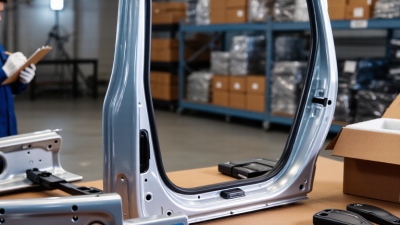
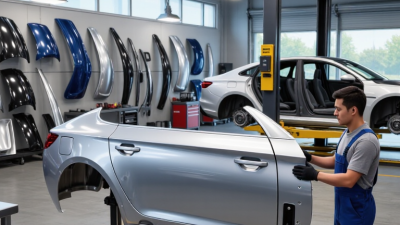
A dented door, cracked mirror, or missing bumper can turn a repair into a sourcing challenge. Buying auto body parts worldwide offers more choice, but a low price alone proves little. A headlamp may look identical online and still use different mounting tabs. A bumper cover may arrive unpainted, while its clips and brackets are sold separately. Small details matter.
This guide introduces ten practical checks for international buyers. It covers fitment, vehicle identification numbers, original and aftermarket options, supplier credentials, product photos, shipping protection, return terms, and total landed cost. Composite sourcing adviser Lena Ortiz sums up the central lesson: “Match the part to the vehicle, not just to the picture.” This is an illustrative expert voice, not a quotation from a real individual.
Ask for the exact part number. Compare connector shapes and mounting points. Confirm whether the listing includes sensors, grilles, or hardware. Check packaging plans before a long shipment; a thin corner guard may not protect a painted panel. Request clear answers in writing. Keep the invoice and product details. Rules and fitment requirements can differ by destination, so verify applicable local standards with a qualified repair professional. Some listings remain vague, even after careful questions. That should give you pause. The tips ahead offer a steady way to assess options, reduce avoidable surprises, and choose parts with greater confidence.
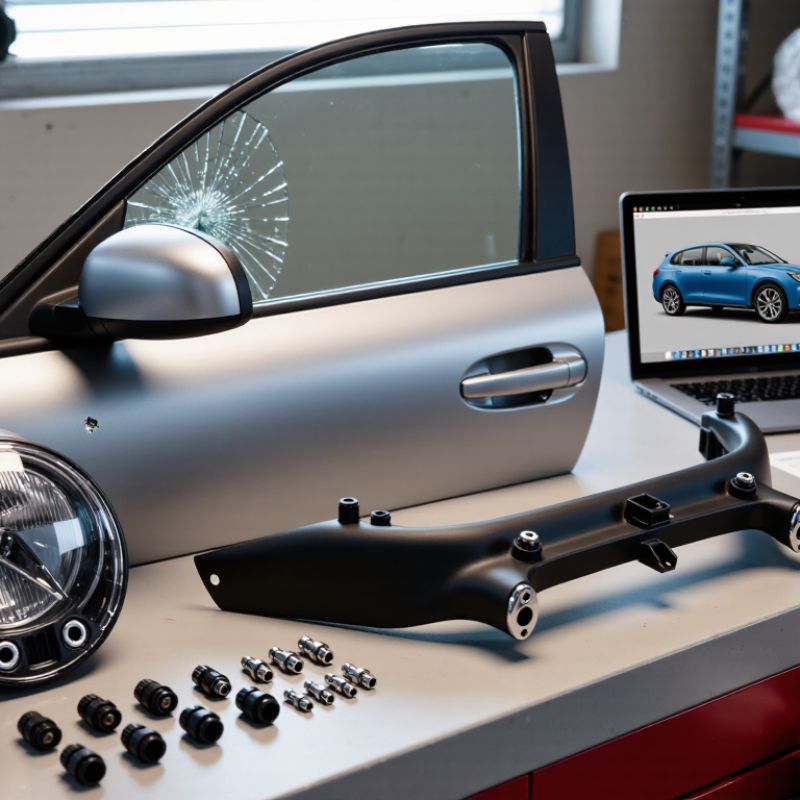
Before requesting a quote, identify the exact part and the vehicle it must fit. Record the VIN, model year, build date, body style, trim, and market of origin. The VIN helps narrow the vehicle, but it may not confirm every equipment difference. Check the existing part number where possible, then compare mounting points, dimensions, material, and sensor openings. A bumper cover with the wrong parking-sensor cutouts can look nearly identical in a listing. It still may not fit.
Specify the side from the driver’s position, not from a supplier’s viewpoint. Note whether the part is left or right, front or rear, and whether it includes brackets, clips, or trim. This matters when buying across countries, where vehicle specifications and naming conventions can vary. S&P Global Mobility reported that the average age of U.S. light vehicles reached 12.6 years in 2024. That broad age range makes model year alone a weak fitment check. Ask the seller to confirm compatibility against your VIN and share clear photos of labels and mounting points. Photos help. They are not proof. I would still verify dimensions; that extra step can feel fussy, but skipping it is an easy mistake.
A standardized 17-character VIN is divided into three sections. Use it alongside the vehicle’s year, make, model, body style, and the part’s exact location or side to help confirm fitment.
VIN structure shown: WMI (3 characters), VDS (6 characters), and VIS (8 characters).
A part that looks right in a product photo may still miss the mounting points by a few millimeters. Check the vehicle identification number, model year, trim, engine, and production date against the supplier’s fitment record. S&P Global Mobility reported that the average age of U.S. light vehicles reached 12.6 years in 2024. Older vehicles often have mid-year design changes, so “fits this model” is not precise enough. Ask for a written fitment confirmation and compare connector locations, hole spacing, and sensor openings before ordering.
Material details matter, too. Request the substrate and grade, coating information, and any test documentation for the specific part. A steel panel and an aluminum panel can look similar but require different handling and repair methods. Check whether the manufacturer’s quality system is certified to IATF 16949, and verify that the certificate covers the actual production site. Certification is useful, not a guarantee of perfect fit. Look for inspection records, traceability details, and clear packaging labels. Then compare the part with the original before installation. A rushed check can miss a small bracket difference. That is easy to regret.
Compare at least three suppliers using the same vehicle details and part requirements. Include the model year, trim, engine, and vehicle identification number when requesting a quote. Ask each supplier to confirm fitment in writing and provide clear photos of the actual part. Small differences in mounting holes or sensor openings can turn a seemingly correct order into a costly return.
A low item price may not mean a low delivered cost. Request separate figures for the part, packaging, shipping, insurance, and any import charges that may apply. Check whether shipping is charged by actual weight or box size; a bulky bumper can cost more to ship than expected. Get an estimated dispatch date, transit window, tracking details, and return terms before paying. Compare like with like. It sounds obvious, but it is easy to miss.
Supplier reliability matters as much as the quote. Look for recent customer feedback, a working support channel, and a written warranty. Ask how the part will be protected: reinforced corners and snug padding matter when panels travel long distances. Keep the invoice and messages together. Even a careful comparison can miss something, so pause over vague answers or unusually short delivery promises. A spreadsheet helps, though it cannot judge the quality of a response.
Before ordering a bumper, fender, or mirror from another country, check the import rules for your destination. Requirements can vary by part type, material, country of origin, and whether the item is new or used. Ask the seller for an accurate product description, country of origin, and invoice value. These details help customs authorities classify the shipment correctly. Small errors matter.
Estimate duties and taxes before comparing prices. The amount may depend on the product’s tariff classification and declared value, while a carrier may also charge a clearance fee. Check the official customs website or ask a licensed customs broker if the classification is unclear. A low parts price can look less attractive after these costs. I would not rely on a seller’s rough estimate alone.
Get a delivery window that separates preparation, transit, and customs clearance. Ask which shipping method is used and whether tracking includes handoffs between carriers. Allow extra time for inspections, holidays, or port delays; dates are estimates, not promises. I still find it easy to underestimate clearance time. If a repair is urgent, confirm the latest dispatch date in writing and keep a local alternative in mind.
| # | Tip | What to Check | Why It Matters |
|---|---|---|---|
| 1 | Confirm exact vehicle fitment | Match the part to the vehicle’s year, make, model, trim, body style, and—where needed—VIN or original part number. | Body parts can differ between model years, markets, and equipment levels, even when vehicles look similar. |
| 2 | Check local import restrictions | Ask the destination country’s customs or relevant transport authority whether the specific part is restricted, requires approval, or has special conditions. | Rules can vary by country and by part type; some goods may require permits, certification, or additional checks. |
| 3 | Verify the customs classification | Request a clear product description and proposed HS classification, then confirm the applicable code with customs guidance or a qualified broker. | Classification helps determine the correct import treatment. A code should not be assumed from a general description such as “car part.” |
| 4 | Estimate duties and taxes before ordering | Check the destination’s current tariff, import VAT or GST, customs processing fees, and the rules used to calculate the taxable value. | Rates and thresholds depend on the destination, classification, origin, and current rules; the checkout price may not include all import charges. |
| 5 | Check origin and trade-agreement eligibility | Ask where the part was made and whether valid origin documentation is available if a preferential tariff may apply. | The shipping country is not necessarily the country of origin, and reduced rates generally require the applicable rules and proof to be met. |
| 6 | Compare delivery estimates realistically | Get the dispatch date, estimated transit range, carrier, tracking details, and an explanation of whether customs clearance time is included. | International delivery can be delayed by inspections, incomplete paperwork, weather, or carrier handoffs; an estimate is not a guaranteed arrival date. |
| 7 | Clarify shipping and import-charge responsibility | Confirm the delivery terms in writing, including who arranges transport, handles export and import formalities, and pays duties and taxes. | Clear responsibilities reduce the chance of unexpected charges, clearance delays, or a shipment being held for payment. |
| 8 | Review the shipping documents | Check that the commercial invoice and packing list accurately state the part description, quantity, value, origin, and shipment details. | Accurate, consistent documents help customs assess a shipment and can prevent avoidable requests for corrections or supporting information. |
| 9 | Check packaging, dimensions, and insurance | Ask for packed dimensions and weight, suitable protection for painted or fragile surfaces, and available coverage for loss or transit damage. | Oversized body panels may cost more to ship than their weight suggests, and poor packaging can lead to dents, scratches, or damage. |
| 10 | Understand returns and damage claims | Read the return window, restocking terms, return-shipping responsibility, and claim procedure; photograph the package and part when they arrive. | Cross-border returns can be costly, and prompt records make it easier to report incorrect, missing, or damaged items. |
An overseas bumper or fender can look flawless in a listing but arrive with a bent mounting tab. Before paying, ask for close-up photos of corners, attachment points, and the actual part—not just a catalog image. Confirm whether it is new, refurbished, or used, and request written details about scratches, repairs, and missing clips. Check that the warranty covers your destination and shipping damage, and note who pays return freight. A short return window can disappear while a parcel is in transit.
Tip: Save the listing, photos, invoice, and seller messages. Ask for the return deadline, restocking fees, and refund method in writing. If the part arrives damaged, photograph the box before opening it, then document the damage immediately. Small steps matter.
NRF and Appriss Retail’s 2023 Consumer Returns in the Retail Industry report estimated that 14.5% of U.S. retail sales were returned that year. This is not an auto-parts-specific figure, but it shows why return terms deserve attention. Policies vary between sellers and countries, so do not assume a warranty includes return shipping or labor costs. One detail is easy to miss: a warranty may cover defects but exclude damage during installation. Read the exclusions twice, and ask questions if the wording feels vague.